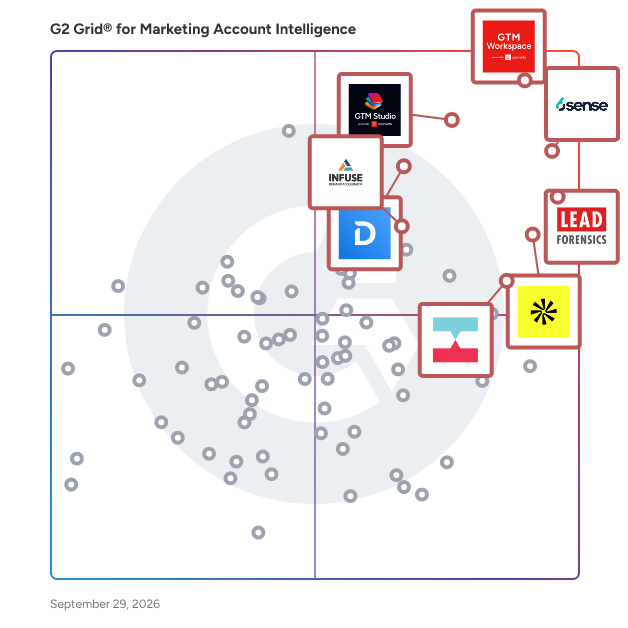
G2 takes pride in showing unbiased reviews on user satisfaction in our ratings and reports. We do not allow paid placements in any of our ratings, rankings, or reports. Learn about our scoring methodologies.
A weekly snapshot of rising stars, new launches, and what everyone's buzzing about.
This description is provided by the seller.
Pros and Cons are compiled from review feedback and grouped into themes to provide an easy-to-understand summary of user reviews.
This description is provided by the seller.
Pros and Cons are compiled from review feedback and grouped into themes to provide an easy-to-understand summary of user reviews.
This description is provided by the seller.
Pros and Cons are compiled from review feedback and grouped into themes to provide an easy-to-understand summary of user reviews.
This description is provided by the seller.
Pros and Cons are compiled from review feedback and grouped into themes to provide an easy-to-understand summary of user reviews.
This description is provided by the seller.
Pros and Cons are compiled from review feedback and grouped into themes to provide an easy-to-understand summary of user reviews.
This description is provided by the seller.
Pros and Cons are compiled from review feedback and grouped into themes to provide an easy-to-understand summary of user reviews.
This description is provided by the seller.
Pros and Cons are compiled from review feedback and grouped into themes to provide an easy-to-understand summary of user reviews.
This description is provided by the seller.
Pros and Cons are compiled from review feedback and grouped into themes to provide an easy-to-understand summary of user reviews.
This description is provided by the seller.
Pros and Cons are compiled from review feedback and grouped into themes to provide an easy-to-understand summary of user reviews.
This description is provided by the seller.
Pros and Cons are compiled from review feedback and grouped into themes to provide an easy-to-understand summary of user reviews.
This description is provided by the seller.
Pros and Cons are compiled from review feedback and grouped into themes to provide an easy-to-understand summary of user reviews.
This description is provided by the seller.
Pros and Cons are compiled from review feedback and grouped into themes to provide an easy-to-understand summary of user reviews.
This description is provided by the seller.
Pros and Cons are compiled from review feedback and grouped into themes to provide an easy-to-understand summary of user reviews.
This description is provided by the seller.
Pros and Cons are compiled from review feedback and grouped into themes to provide an easy-to-understand summary of user reviews.
This description is provided by the seller.
Pros and Cons are compiled from review feedback and grouped into themes to provide an easy-to-understand summary of user reviews.
Marketing account intelligence ultimately comes down to collecting and parsing data. When investing in this type of software, it's crucial to consider the product's data capabilities. First, you want to find out what type of data a product is offering to uncover. The purpose of having a marketing account intelligence tool is to obtain access to granular data on targets and potential accounts to allow you to focus on those that are the best fit for your company. This, in turn, will assist you in improving your lead generation success. Generally, the more nuanced the data the better. While it’s nice to have information like a target’s role in the company, it’s even better if you can acquire information like how long they’ve been at that company, whether they are attending any events soon, or what type of technology they use. Depending on the nature of your business, some of these types of data may be more valuable than others, so be sure to consider your data needs before purchasing.
In addition to the types of data, you’ll want to consider where a marketing account intelligence tool sources its data. This is something you can find out when speaking directly with the vendor; the sources used will differ depending on the types of data a product collects. There’s no tool that can provide 100% data accuracy, but the quality of the data is an important consideration when investing in marketing account intelligence software. You can obtain this information by looking at the reviews of products as well as by having the vendor explain their data quality and verification methods.
Key Benefits of Marketing Account Intelligence Software
This type of software ties in with an account-based marketing (ABM) strategy. Instead of focusing on individual contacts, marketing and sales can use marketing account intelligence software to identify opportunities at targeted accounts, which can include selling to a new account or discovering new upsell and cross-sell opportunities with existing customers. You can gather information to help target specific accounts based on individual job functions, the company’s technology stack, and company size, industry, and location. Marketing account intelligence tools assist marketing and sales teams to obtain a holistic view of their accounts to be able to create targeted content and messaging that will resonate with key personas within those accounts. This type of software can also help sales better prepare for their sales calls with targeted accounts by knowing specific account information and industry and company trends.
Not only are you able to collect data for targeted accounts, but you can also create data profiles within marketing account intelligence software to keep all of your key data points in one place. If a marketing account intelligence tool doesn’t have this capability itself, it will have the ability to integrate with a product that can do this for you. Some tools can integrate with CRM software, marketing automation software, and sales engagement software tools to automatically and continuously update and enrich your database.
Marketing and sales teams predominantly use marketing account intelligence software to increase the likelihood of success with an ABM strategy. Marketers can use this type of software to help focus resources and marketing budgets on accounts that are the best fit and are most likely to buy, which can increase overall productivity. With the help of artificial intelligence and machine learning, sales and marketing can use marketing account intelligence tools to gather insights into account profiles to better personalize outreach and the overall customer experience. Additionally, with predictive behavior modeling, both teams can use this type of software to combine account profiles with behavior indicators from the web, social media, the news, and various other sources to predict the probability of an opportunity closing.
Marketing account intelligence software is truly the foundation for an account-based marketing strategy, as it provides marketing and sales with accurate account information and the optimal people to contact at their targeted accounts. This software also helps both teams determine what messaging and content resonates with each contact in prioritized accounts. Below are some features that this type of software can include.
Lead intelligence — Types of intelligence that this type of software can gather for you can include market insights and account-level insights. These insights assist in building a complete view of what’s happening in the market, as well as an up-to-date view of decision-makers within the accounts you are targeting. Marketing account intelligence software can pull this information from the web, news and social media sources, and various other places. This type of intelligence also keeps your CRM data clean so you can ensure you are reaching out to the best and most appropriate contacts.
Lead analysis — This feature helps marketers and salespeople prioritize leads through lead scoring based on real-time data related to contacts and their company. It’s important to find out how a tool scores target accounts and what attributes they consider. When done effectively, this feature can be a huge benefit as it ranks target accounts by the likelihood of making a purchase. Some tools will allow you to configure the scoring so that you can decide which attributes you value most in the scoring of accounts. You’ll want to be sure that your marketing account intelligence tool integrates with the CRM tool you use so that you can have all of your target data in the same place you track interactions. This way your sales pipeline starts before first point of marketing contact.
Lead management — Lead management in marketing account intelligence software features can include segmentation capabilities, which helps marketing and sales prioritize accounts and increase overall effectiveness at closing deals. This feature will offer insights on all of the data that is gathered to help marketing and sales make sense out of it. Additionally, lead management enables you to measure performance throughout your sales cycle, as well as streamline your sales efforts.
Campaign execution — As previously mentioned, marketing account intelligence doesn’t just pull in data, it also provides insights relating to personalizing content and experiences for specific contacts within accounts. For example, website personalization provides tools that dynamically serve content, messaging, and calls-to-action (or CTAs) and individualize the experience for contacts. Email campaigns can also help you engage prospects and customers through tailored content. For example, if a salesperson receives information about a particular customer that could assist with an upsell opportunity, that person could reach out with targeted content across multiple channels.
Integrations — Since many marketing account intelligence tools will automatically update prospect data, a tool that integrates with your CRM will prevent salespeople from having to update customer information as it changes. This can benefit your CRM by keeping it cleaner and free of duplicate and incorrect data. Additionally, this type of software can also integrate with marketing automation software, sales development software, email connectors, and others.
Data accuracy — It’s important that the marketing account intelligence software you choose pulls in the most accurate data possible. Data decay happens all the time, and at an alarming rate. People change contact informant, they change companies, new physical offices open, companies merge and get acquired, and so on. That being said, it’s crucial that the tool you select gathers accurate, clean data that can help you add any missing information and get rid of irrelevant data that is detracting from your marketing and sales efforts.
Data privacy regulations — Data privacy regulations are increasing, like the EU’s General Data Protection Regulation, or GDPR and the California Consumer Privacy Act (CCPA). Strict data privacy regulations are created to give consumers control over how their data is used. These types of regulations will proliferate as more consumers request privacy rights. As it relates to marketing account intelligence, it’s important to choose a tool that adheres to these regulations so you can avoid any repercussions of gathering and using data inappropriately.