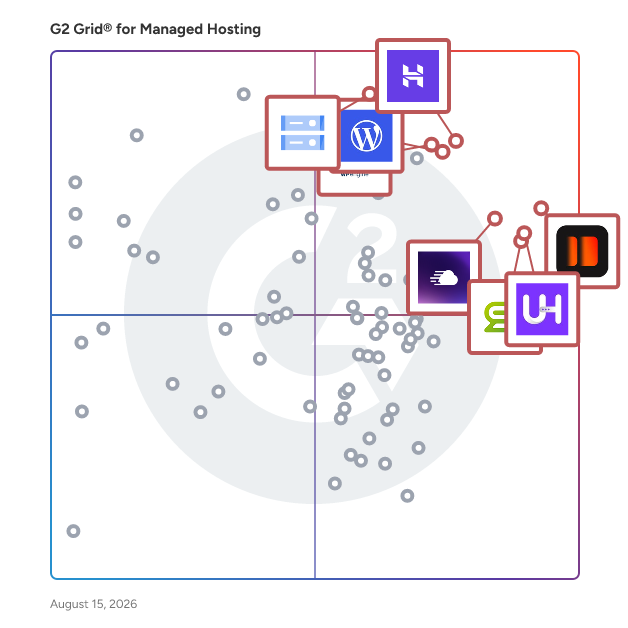
Managed hosting platforms provide rentable server infrastructure that is fully administered and maintained by the provider. Unlike unmanaged hosting, where customers are responsible for setup and ongoing maintenance, managed hosting platforms handle hardware provisioning, server configuration, operating system installation, patching, monitoring, and updates on behalf of the customer.
Customers typically access these platforms through dashboards, portals, or sometimes APIs, allowing them to manage websites, applications, and workloads while the provider manages the underlying infrastructure. Managed hosting platforms may support dedicated servers or virtual private servers (VPS), and often include additional features such as automated backups, malware detection, advanced security, and performance monitoring.
These platforms are designed for organizations that want the reliability and performance of dedicated or VPS hosting but prefer to offload the day-to-day system administration tasks to the provider.
To qualify for inclusion in the Managed Hosting category, a product must:
- Provide rentable server infrastructure (dedicated or virtual) for hosting websites, applications, or workloads
- Provide customers with tools (e.g., dashboards, portals, APIs, or ticketing systems) to manage hosted websites, applications, or accounts while the provider manages the underlying infrastructure
- Set up and configure server infrastructure, including installation of operating systems and software packages as requested
- Monitor, maintain, and update hardware and operating systems, including applying security patches and upgrades
- Offer technical support to assist customers with troubleshooting and configuration needs