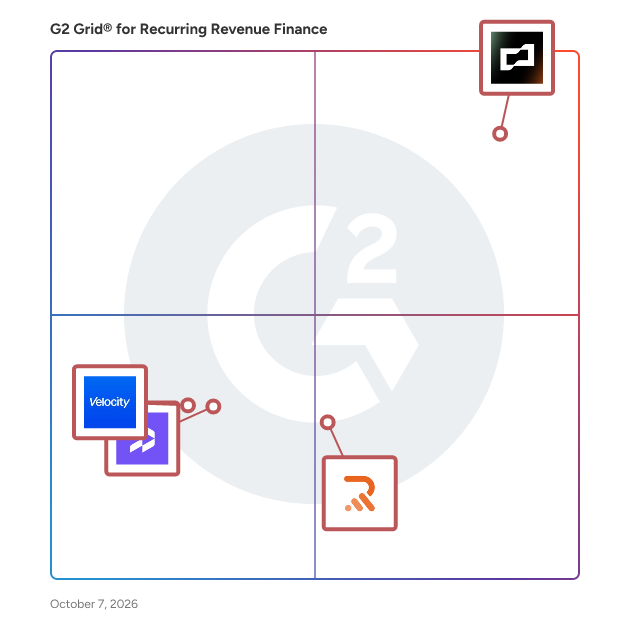
Brex
Brex is a unified spend platform that makes it easy to control every type of spend. Control your spend worldwide with corporate cards, expense management, reimbursements, travel, bill pay, and business accounts — all in one unified system. 95% of customers say switching to Brex is easy. And tens of thousands of companies including Indeed, SeatGeek, DoorDash and thousands more choose Brex for customizable workflows that can handle complex and diverse types of spend and enable the highest levels of compliance with the least amount of friction for employees. This saves time and money through better, proactive controls.
Average Rating: 4.8/5.0
Total Reviews: 1,620
Who Is the Company Behind Brex?
- Seller: Brex
- Company Website:
- Year Founded: 2017
- HQ Location: San Francisco, California
-
Twitter: @brexHQ
24,030 Twitter followers -
LinkedIn® Page: www.linkedin.com
2,146 employees on LinkedIn®
Who Uses This Product?
- Who Uses This: CEO, Founder
- Top Industries: Computer Software, Information Technology and Services
- Company Size: 55% Small, 38% Medium
What Do G2 Reviewers Say About Brex?
AI-generated summary from verified user reviews
Pros
- Users appreciate the ease of use of Brex, highlighting its intuitive design and organized features for financial management.
- Users love the intuitive expense tracking of Brex, making financial management effortless with real-time insights.
- Users highlight the excellent customer support of Brex, ensuring quick assistance and seamless integration.
- Users love the easy upload feature of Brex, making receipt management quick and efficient.
- Users rave about the efficiency of Brex, praising its intuitive expense tracking and seamless integration.
Cons
- Users report approval issues with Brex, facing challenges in spending limits and category misclassifications leading to denials.
- Users experience upload issues with Brex, finding receipt scanning ineffective and facing challenges with virtual card payments.
- Users express concerns about the approval process being potentially restrictive for smaller businesses and lacking necessary controls.
- Users find the manual entry process cumbersome, particularly for recurring expenses, impacting efficiency and convenience.
- Users experience card issues with payment processing and spending limits, leading to frustration and denied purchases.
What Are Recent G2 Reviews of Brex?
"Great experience. Great platform"
Rating: 5.0/5.0 stars
— John H.
"Effortless Payment Management, Free and Powerful"
Rating: 5.0/5.0 stars
— Andrew B.
What Are G2 Users Discussing About Brex?
- What is Brex used for? - 1 comment
