

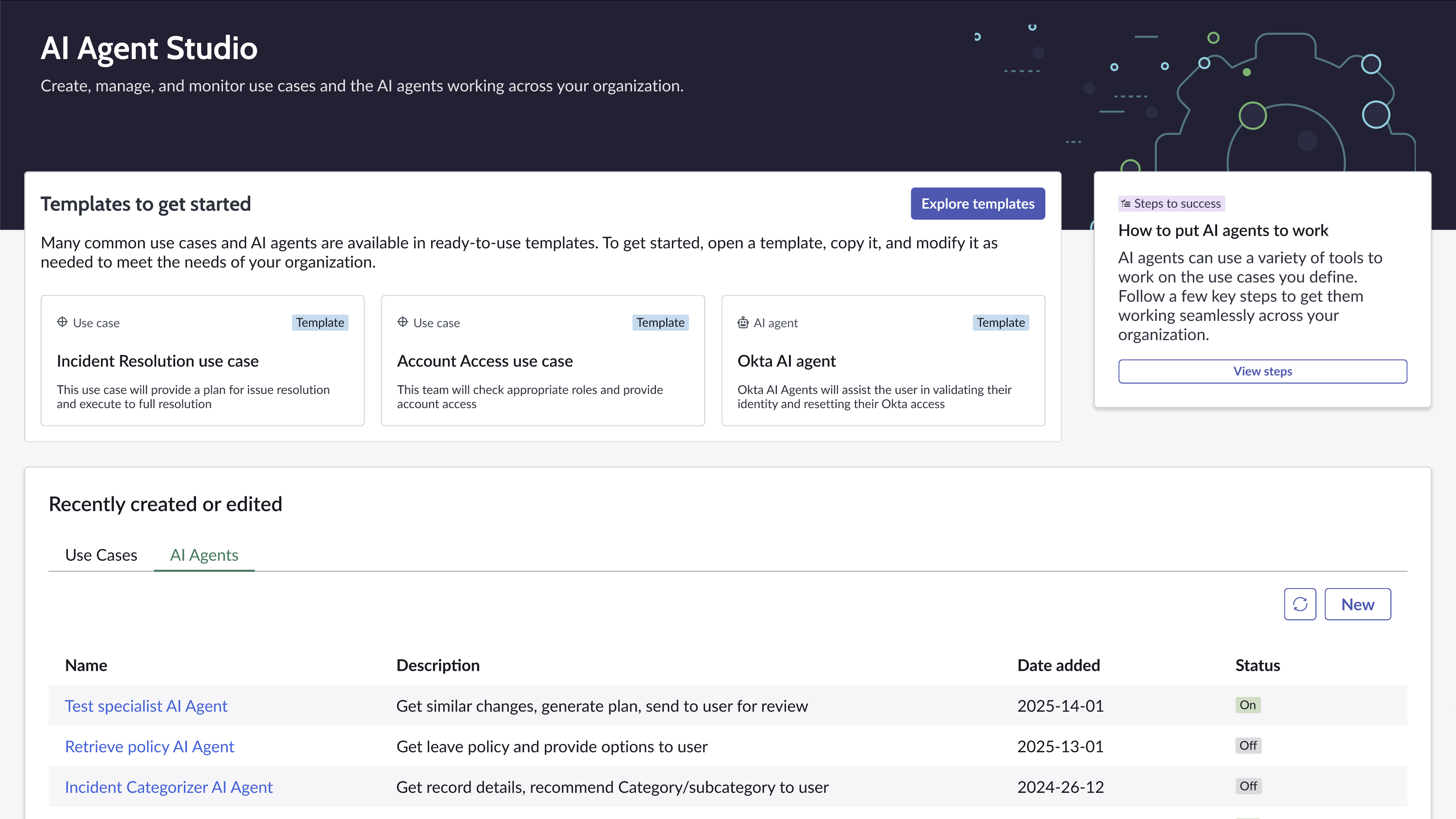
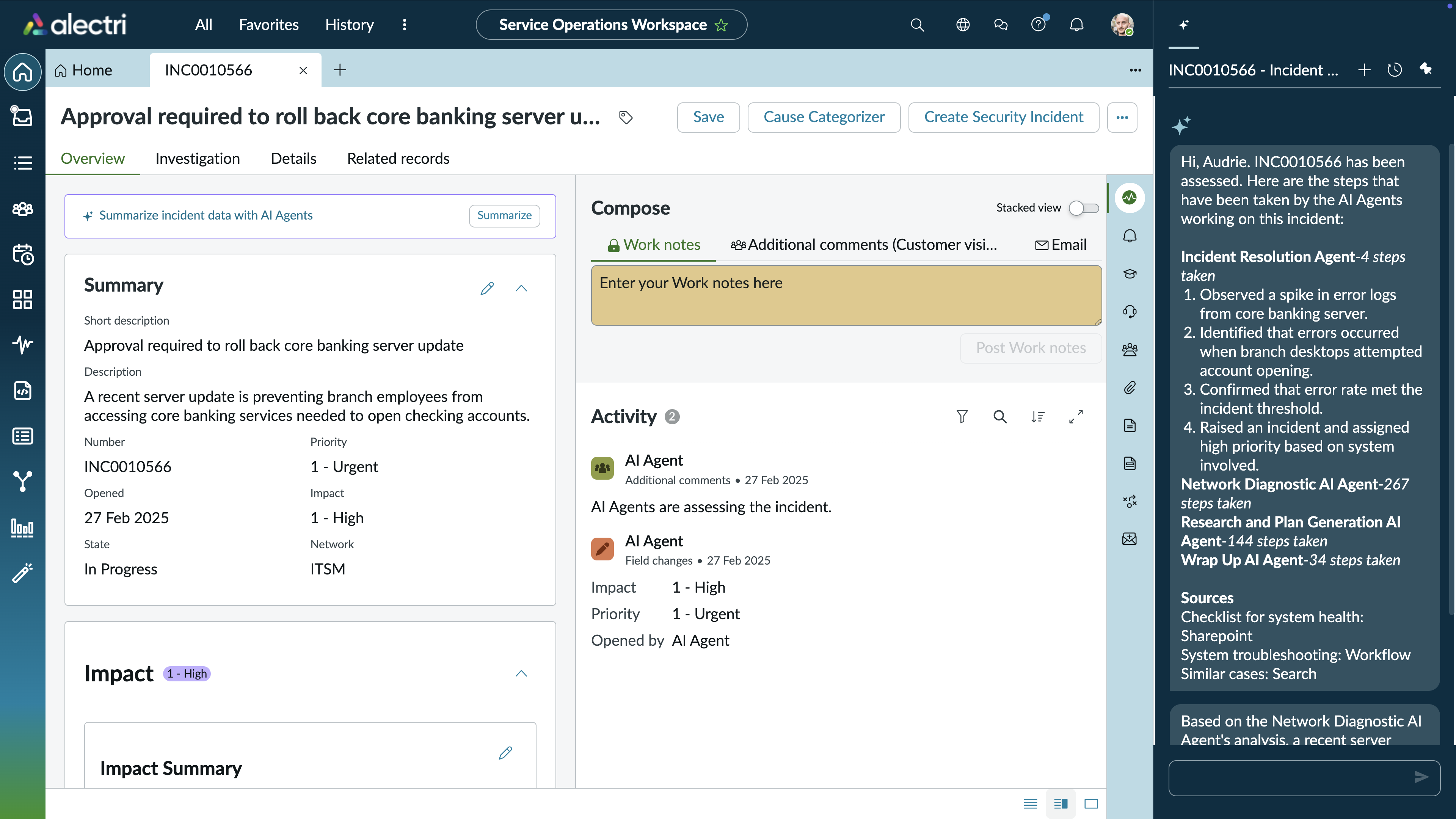
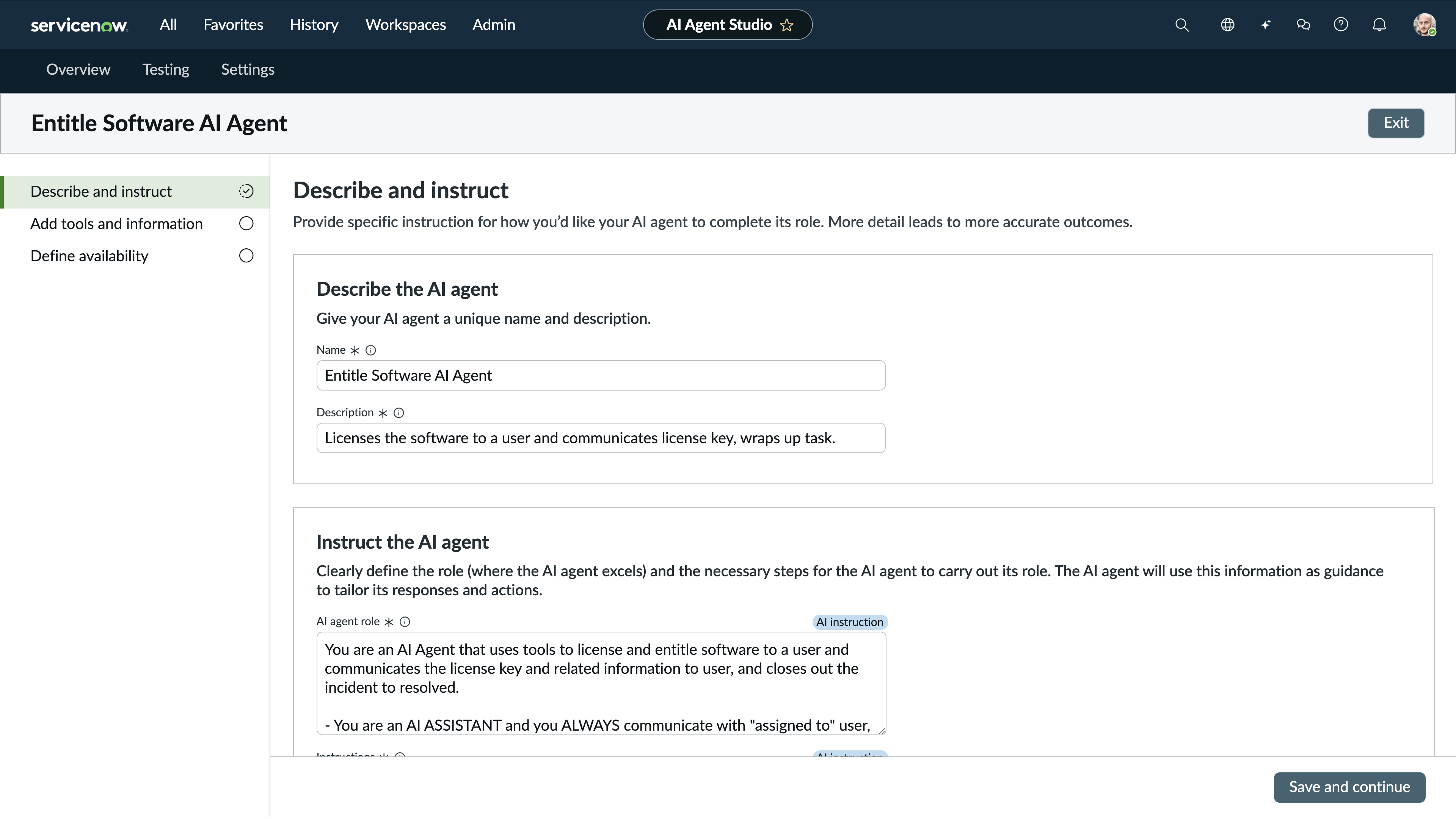
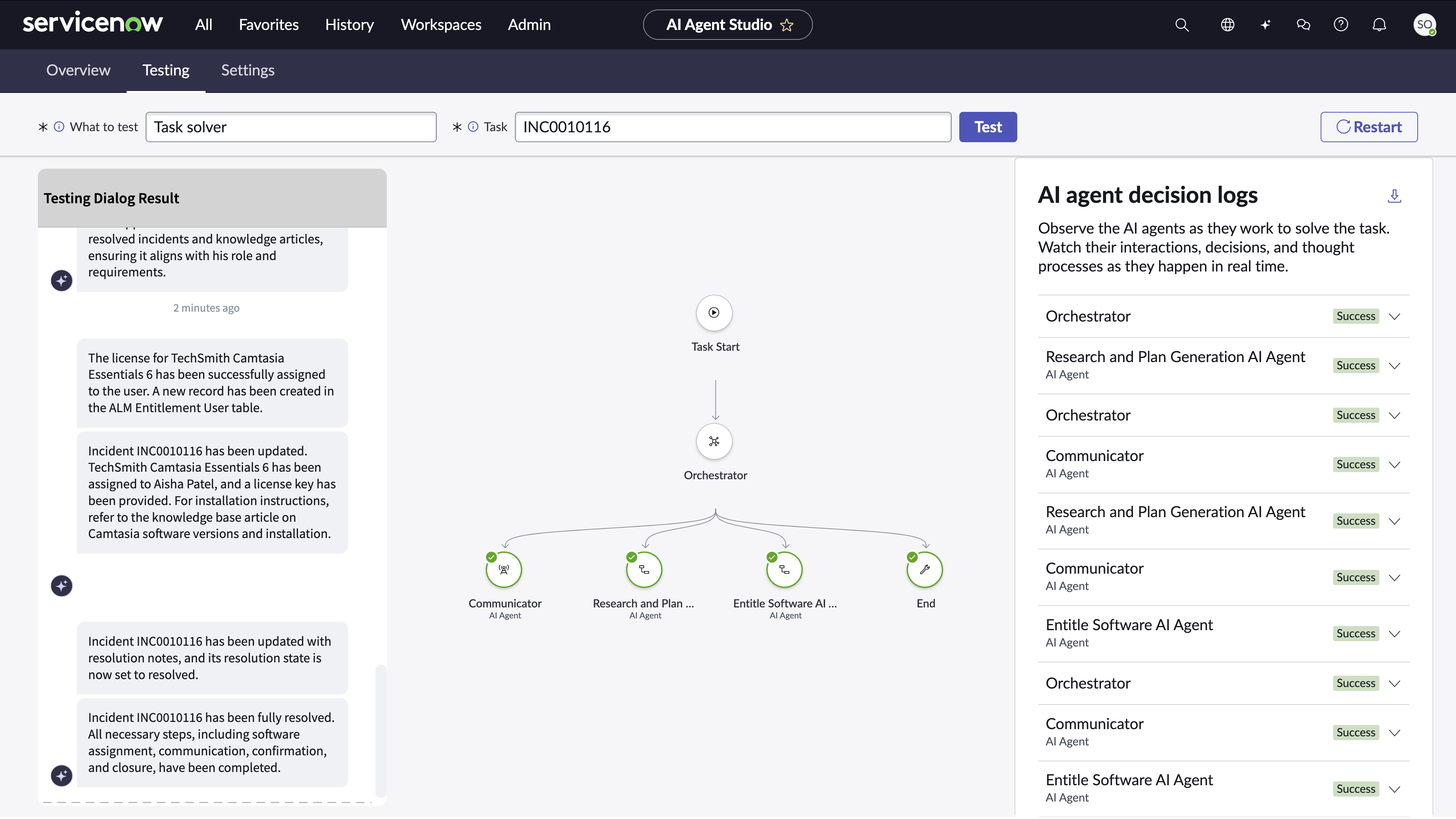

It is their ability to combine automation with intelligence in a practical business environment. They don’t just respond to queries — they understand context, route tasks accurately, and trigger the right workflows without manual intervention.
From a data and operations perspective, I appreciate how they reduce repetitive workload such as ticket categorization, prioritization, and approvals. This improves SLA performance and allows teams to focus on higher-value analytical and strategic tasks.
Another strong point is their seamless integration with existing ServiceNow modules, which ensures better visibility, traceability, and governance. The built-in analytics also help identify recurring issues and process bottlenecks.
Overall, the biggest advantage is efficiency with control — automation that still maintains compliance, transparency, and structured workflows. Review collected by and hosted on G2.com.
As a Data Analytics Lead, one limitation I see with ServiceNow AI Agents is that their effectiveness heavily depends on data quality and proper configuration. If historical ticket data is inconsistent or poorly categorized, the AI may misclassify requests or provide inaccurate recommendations.
Another challenge is initial setup complexity. Implementing AI Agents requires careful workflow design, training data preparation, and continuous tuning. Without proper governance, there is also a risk of over-automation where edge cases are not handled correctly.
Additionally, in some scenarios, AI responses can lack deeper business context, especially for complex or cross-functional issues. This means human oversight is still necessary to ensure accuracy and reliability.
Overall, while powerful, they require strong data governance and ongoing monitoring to perform optimally. Review collected by and hosted on G2.com.