AI-Generated Results
Finding matches…
Kapa.ai is an AI-powered platform that transforms your existing knowledge base into a reliable, production-ready assistant capable of instantly answering technical questions. By integrating with over 40 technical source connectors, including documentation, tutorials, chat logs, and GitHub issues, Kapa.ai ensures accurate and context-specific responses. Trusted by companies like OpenAI, Docker, and Reddit, it enhances developer support by reducing response times and identifying documentation gaps. With seamless deployment across platforms such as Slack, Discord, APIs, and Zendesk, Kapa.ai provides a versatile solution for improving user experience and streamlining support processes.
Not seeing what you're looking for?
Dive deeper into "YITH" on G2 AI

FLOOR by 10Times is A Virtual Space to build, grow, and manage your community. Powered by 10times, It comes integrated with event management software. A complete virtual event suite, secured with best-in-class systems & access permissions, that lets you manage, market & monetize your virtual event.
It can be used to set-up any kind of online event, either standalone or in hybrid with physical events, be it summits, Meetups, Keynote conferences, Awards, Expos, Meetings, live roadshows, training events.
FLOOR by 10Times
Real-time, centralized and synchronized content management
Contact management
In-built Event- website and white label event app builder
Event analytics to track event performance.
100+ modules and customized solutions

Eclipse Che is an open-source, Kubernetes-native integrated development environment (IDE) that provides containerized workspaces accessible directly from a browser. Designed to streamline the development process, Eclipse Che eliminates the need for local installations, enabling developers to code, build, test, and debug applications efficiently within a cloud-based environment.
Key Features and Functionality:
- Containerized Workspaces: Each workspace includes all necessary tools and dependencies, ensuring consistency across development environments.
- Browser-Based IDEs: Access robust development tools directly from your browser, eliminating the need for local installations.
- Extensibility: Customize and extend the environment using plugins compatible with Visual Studio Code extensions.
- Enterprise Integration: Supports multi-user capabilities with OpenID Connect (OIDC) authentication, role-based access control, and compliance with enterprise security standards.
- Git Services Integration: Seamlessly connect with GitHub, GitLab, or Bitbucket using OAuth for version control.
- Kubernetes Compatibility: Leverage Kubernetes or OpenShift for workspace orchestration, providing a scalable and production-like development environment.
Primary Value and User Solutions:
Eclipse Che addresses common development challenges by:
- Accelerating Onboarding: New developers can start contributing immediately without complex setup processes.
- Ensuring Consistency: By standardizing development environments, it eliminates the "it works on my machine" problem, ensuring code behaves consistently across different setups.
- Enhancing Collaboration: Shared, cloud-based workspaces facilitate real-time collaboration among team members, improving productivity and reducing integration issues.
- Simplifying Cloud-Native Development: By integrating with Kubernetes, Eclipse Che provides a seamless platform for developing, testing, and deploying cloud-native applications, bridging the gap between development and production environments.
In summary, Eclipse Che offers a comprehensive, cloud-based development environment that simplifies the development process, enhances collaboration, and ensures consistency across teams, making it an invaluable tool for modern software development.

GitHub Models is an integrated suite of developer tools designed to streamline the adoption and deployment of artificial intelligence (AI) within the GitHub ecosystem. It provides developers with direct access to a curated selection of industry-leading AI models, enabling seamless experimentation, evaluation, and integration of AI capabilities into their projects. By embedding AI development tools directly into familiar GitHub workflows, GitHub Models lowers the barrier to enterprise-grade AI adoption, allowing developers to move from idea to production without leaving the platform.
Key Features and Functionality:
- Model Playground: An interactive environment where developers can explore and test various AI models, adjusting prompts and parameters in real time to compare outputs and determine the best fit for their applications.
- Prompt Management: Tools to create, version, share, and reuse prompts across projects, treating AI inputs as first-class development assets akin to source code.
- Side-by-Side Evaluations: Capability to run parallel evaluations of different models, facilitating informed decision-making based on structured metrics without guesswork.
- Secure Integration: Control over model usage within teams, ensuring data and prompts remain private and operations are conducted within GitHub and Azure infrastructures.
- Seamless Deployment: Direct API calls and integration with Azure AI SDKs or other supported model SDKs, enabling a smooth transition from development to production.
Primary Value and Problem Solved:
GitHub Models addresses the challenges developers face in accessing and integrating AI technologies by providing a unified platform that simplifies the entire AI development lifecycle. It eliminates the need for multiple tools and complex configurations, allowing developers to experiment with, evaluate, and deploy AI models directly within their existing GitHub workflows. This integration accelerates the development process, reduces context switching, and ensures that AI-powered projects are built with security and scalability in mind.
Rocketium is an AI Creative Studio that helps global brands scale their marketing content production with speed, efficiency, and consistency. Most marketing teams struggle with repetitive creative work like resizing, versioning, renaming, and ensuring every asset meets brand or retailer requirements. These tasks slow down campaigns and drive up costs. Rocketium solves this with AI agents and creative co-pilots that handle the repetitive parts of the creative process. Teams upload a brief, get draft assets in minutes, and can either finalize them independently or with light expert review. The result: - Campaigns go live 2–8x faster - Brands save on hiring and designer hours - Fewer errors and rejections from platforms or partners - The same team supports more campaigns across multiple regions

Azure Web Apps, a component of Microsoft's Azure App Service, is a fully managed platform-as-a-service (PaaS) offering that enables developers to build, deploy, and scale web applications and APIs efficiently. Supporting a wide range of programming languages—including .NET, Java, Node.js, PHP, and Python—Azure Web Apps allows for the creation of applications on both Windows and Linux environments. This service abstracts the complexities of infrastructure management, such as server maintenance, load balancing, and security patching, allowing developers to focus on delivering high-quality applications.
Key Features and Functionality:
- Multi-Language Support: Develop applications using various languages and frameworks, including .NET, Java, Node.js, PHP, and Python, catering to diverse development needs.
- Flexible Deployment Options: Deploy applications through multiple methods, such as Git, Azure DevOps, GitHub Actions, and FTP, accommodating various development workflows.
- Automatic Scaling and Load Balancing: Utilize built-in autoscaling and load balancing to adjust resources dynamically based on traffic demands, ensuring optimal performance and cost efficiency.
- Continuous Integration and Deployment (CI/CD): Integrate seamlessly with CI/CD pipelines, enabling automated testing and deployment processes for faster release cycles.
- Security and Compliance: Benefit from enterprise-grade security features, including ISO, SOC, and PCI compliance, as well as integration with Microsoft Defender for Cloud for enhanced threat protection.
- Global Availability: Deploy applications across Microsoft's global datacenter infrastructure, ensuring high availability and reduced latency for users worldwide.
Primary Value and User Solutions:
Azure Web Apps simplifies the development and deployment of web applications by providing a fully managed environment that handles infrastructure concerns, such as server provisioning, maintenance, and scaling. This allows developers to concentrate on writing code and delivering features without the overhead of managing the underlying hardware. The platform's support for multiple programming languages and frameworks ensures flexibility, while its integration with various deployment methods and CI/CD tools streamlines the development process. Additionally, Azure Web Apps' robust security measures and global reach make it an ideal choice for businesses aiming to deliver secure, scalable, and high-performing web applications to a worldwide audience.
Azure App Service is a fully managed platform-as-a-service (PaaS) offering from Microsoft Azure that enables developers to build, deploy, and scale web applications, APIs, and mobile backends efficiently. Supporting a wide range of programming languages and frameworks—including .NET, Java, Python, Node.js, PHP, and Ruby—Azure App Service allows for the creation of enterprise-grade applications without the complexities of managing the underlying infrastructure. It provides built-in capabilities such as automatic scaling, high availability, and security compliance, facilitating rapid development and deployment of applications on a reliable cloud infrastructure.
Key Features and Functionality:
- Multiple Language and Framework Support: Develop applications using various languages and frameworks, including .NET, Java, Python, Node.js, PHP, and Ruby, catering to diverse development needs.
- Automatic Scaling and High Availability: Scale applications up or out automatically or manually to meet demand, with a 99.95% high availability commitment, ensuring consistent performance.
- Integrated Security and Compliance: Benefit from built-in security features, including ISO, SOC, and PCI compliance, IP address restrictions, and native integration with Microsoft Defender for Cloud, enhancing application security.
- Continuous Integration and Deployment (CI/CD): Integrate seamlessly with development tools like Azure DevOps and GitHub to enable continuous integration and deployment, streamlining the development lifecycle.
- Custom Domains and SSL/TLS Certificates: Easily configure custom domain names and secure applications with SSL/TLS certificates, ensuring secure communication.
- Deployment Slots: Utilize deployment slots to manage staging, testing, and production environments, allowing for zero-downtime deployments and efficient application updates.
- Built-in Authentication and Authorization: Implement authentication with built-in support for identity providers such as Microsoft Entra ID, Google, Facebook, and Twitter, simplifying user management.
- Monitoring and Diagnostics: Leverage tools like Application Insights, log streaming, and the Kudu console for real-time monitoring and diagnostics, aiding in application performance optimization.
Primary Value and Problem Solved:
Azure App Service addresses the challenges of developing, deploying, and managing web applications by providing a comprehensive, fully managed platform that abstracts the complexities of infrastructure management. Developers can focus on writing code and delivering value to users without worrying about server maintenance, scaling, or security patches. The platform's support for multiple languages and frameworks, combined with its robust features like automatic scaling, high availability, and integrated security, enables organizations to build and deploy applications faster and more efficiently. This accelerates time-to-market, reduces operational overhead, and ensures that applications are secure, reliable, and capable of meeting varying user demands.

1. Complete data unification Most AI products focus on either structured data (like CRM records and support tickets), or unstructured data (like documents and emails). Computer AirSync connects everything, unifying all your data sources (like Google Workspace, Jira, Notion) into one AI-ready source of truth: Computer Memory. 2. Powerful search, reasoning, and action Once connected to all your tools and apps, Computer is embedded in your full business context. It can find and summarize, sure. Even more impressive: it offers employees insights, strategic and proactive suggestions, plus powerful agentic actions. 3. Extensions for your teams and customers Computer doesn’t make you choose between new software and old. Its AI-native platform lets you extend existing tools with sophisticated apps and agents. So your teams – and your customers – can take action, seamlessly. These agents work alongside you: updating workflows, coordinating across teams, and syncing back to your systems. This isn’t just software. Computer brings people back together, breaking down silos and ushering in the future of teamwork, through human-AI collaboration. Stop managing software. Stop wasting time. Start solving bigger problems, building better products, and making your customers happier. We call this Team Intelligence. It’s why DevRev exists. Trusted by global companies across multiple industries, DevRev is backed by Khosla Ventures and Mayfield, with $150M+ raised. We are 650+ people, across eight global offices.

Railway is a cloud platform designed to simplify the deployment, management, and scaling of applications and databases. It offers developers an intuitive interface to build, deploy, and monitor projects efficiently, eliminating the complexities traditionally associated with infrastructure management. By integrating services, databases, and storage solutions seamlessly, Railway empowers teams to focus on delivering quality code without the overhead of configuring and maintaining servers.
Key Features and Functionality:
- Simplified Deployments: Deploy applications effortlessly using Docker images, GitHub repositories, or local repositories.
- Integrated Databases: Provision and manage databases like PostgreSQL, MySQL, MongoDB, and Redis with built-in backup support.
- Scalable Resources: Adjust CPU, memory, and storage resources dynamically to meet varying workload demands.
- Persistent Storage Volumes: Attach high-performance storage volumes up to 256TB with over 100,000 IOPS.
- Cron Jobs: Schedule and automate tasks with configurable intervals using crontab expressions.
- Templates: Utilize over 800 customizable templates to deploy complex collections of services and databases.
- Environment Variable Management: Securely manage secrets and environment variables across your application stack.
- Networking: Expose applications to the public internet with up to 10 Gbps transfer speed and free Railway domains, while also supporting private networking with high-speed internal connections.
- Custom Domains and TLS Management: Use custom domains with managed TLS certificate creation and automatic renewal.
- Scaling Options: Support for vertical scaling up to 32 vCPUs and 32+ GB RAM per service, horizontal scaling with multiple replicas, and global scaling across various regions.
- Monitoring and Observability: Access build and deployment logs with retention up to 90 days, configurable dashboards for resource usage, and set alerts for performance metrics.
- Development Lifecycle Management: Isolate environments, manage pull request deployments, and perform rollbacks with ease.
- API and CLI Support: Interact with Railway through a comprehensive API and command-line interface for streamlined operations.
Primary Value and User Solutions:
Railway addresses the challenges developers face in deploying and managing infrastructure by providing a unified platform that abstracts the complexities of server management. It enables rapid deployment of applications and databases without the need for deep infrastructure knowledge, allowing developers to focus on building and improving their products. With features like scalable resources, integrated databases, and comprehensive monitoring tools, Railway ensures that applications can grow seamlessly with user demand. Its pay-per-use pricing model ensures cost-effectiveness, making it an ideal solution for projects of all sizes, from hobbyist endeavors to large-scale enterprise applications.

ScreenSteps helps teams create better help documentation by either creating a new online knowledge base or improving the knowledge base they are already using.

Store all of your Git and Mercurial source code in one place with unlimited private repositories. Includes issue tracking, wiki, and pull requests.

GitHub is a leading platform for collaborative software development, offering a suite of tools that enable developers to create, manage, and share code efficiently. Built upon the Git version control system, GitHub provides a centralized space for version control, issue tracking, and project management, facilitating seamless collaboration among developers worldwide. As of May 2025, GitHub boasts a user base of 150 million and hosts over 420 million repositories, solidifying its position as the world's largest source code host.
Key Features and Functionality:
- Version Control: Utilizes Git to track changes, manage code history, and support branching and merging strategies.
- Repository Hosting: Offers both public and private repositories for code storage and collaboration.
- Issue Tracking: Provides tools for reporting, tracking, and managing project issues and feature requests.
- Pull Requests: Facilitates code reviews and discussions through pull requests, enabling collaborative code improvements.
- Continuous Integration and Deployment: Integrates with various CI/CD tools to automate testing and deployment processes.
- Wikis and Documentation: Supports project documentation through integrated wikis and README files.
- Social Coding: Encourages collaboration with features like following users, starring repositories, and activity feeds.
Primary Value and User Solutions:
GitHub addresses the complexities of modern software development by providing a unified platform that streamlines collaboration, enhances code quality, and accelerates project timelines. By centralizing code repositories and integrating essential development tools, GitHub enables teams to work cohesively, regardless of geographical barriers. Its robust version control system ensures code integrity and facilitates efficient management of project histories. Additionally, GitHub's emphasis on community engagement and open-source contributions fosters innovation and knowledge sharing, empowering developers to build better software together.
Cisco AnyConnect Secure Mobility Client is a comprehensive endpoint security solution that provides secure and seamless remote access to corporate networks for users across various devices and platforms. By integrating advanced VPN capabilities with robust security features, AnyConnect ensures that employees can connect to enterprise resources from anywhere, maintaining productivity without compromising security.
Key Features and Functionality:
- Secure VPN Access: Supports SSL and IPsec IKEv2 protocols, offering encrypted connections for remote users to access corporate resources securely.
- Broad Platform Support: Compatible with multiple operating systems, including Windows, macOS, Linux, iOS, Android, and Chrome OS, facilitating diverse device connectivity.
- Always-On Intelligent VPN: Automatically selects the optimal network access point and adapts tunneling protocols to ensure continuous and efficient connectivity.
- Endpoint Compliance and Posture Enforcement: Integrates with Cisco Identity Services Engine (ISE) to assess device compliance and enforce security policies across wired, wireless, and VPN environments.
- Network Visibility Module (NVM): Provides detailed insights into endpoint application usage and network behavior, aiding in the detection of anomalies and potential threats.
- Web Security Integration: Offers built-in modules for web security, either through on-premise Cisco Web Security Appliance or cloud-based Cisco Cloud Web Security, protecting users from web-based threats.
- Per-App VPN: Allows administrators to specify which applications can access the VPN, enhancing security by limiting exposure to corporate resources.
Primary Value and User Solutions:
Cisco AnyConnect Secure Mobility Client addresses the critical need for secure, reliable, and user-friendly remote access in today's mobile and diverse work environments. By providing a unified security solution that encompasses VPN access, endpoint compliance, and network visibility, AnyConnect enables organizations to:
- Enhance Security Posture: Implement consistent security policies and compliance checks across all devices and connection types, reducing the risk of data breaches and unauthorized access.
- Improve User Productivity: Offer seamless and uninterrupted access to corporate resources, allowing employees to work efficiently from any location without technical hindrances.
- Simplify IT Management: Utilize a single client to manage multiple security services, streamlining deployment, monitoring, and maintenance processes for IT administrators.
In summary, Cisco AnyConnect Secure Mobility Client delivers a robust and integrated approach to secure remote access, ensuring that organizations can maintain operational continuity while safeguarding their digital assets.

Lasernet is a state-of-the-art input and output document management solution for small, medium and enterprise business applications as either an on-site, SaaS or cloud deployment.

WinSCP is a free and open-source file transfer client for Microsoft Windows, supporting protocols such as SFTP, SCP, FTP, WebDAV, and Amazon S3. Its primary function is to facilitate secure file transfers between a local and a remote computer. Beyond file transfers, WinSCP offers basic file management and synchronization capabilities, making it a versatile tool for users who require reliable and secure file operations.
Key Features and Functionality:
- Graphical User Interface: Provides an intuitive interface with options resembling either Windows File Explorer or Norton Commander, catering to user preferences.
- Protocol Support: Supports a variety of protocols, including SFTP, SCP, FTP, WebDAV, and Amazon S3, ensuring compatibility with diverse server configurations.
- Integrated Text Editor: Allows users to edit remote text files directly within the application, streamlining workflows.
- Scripting and Automation: Offers batch file scripting, a command-line interface, and a .NET assembly for advanced programming tasks, enabling automation of file transfer processes.
- Directory Synchronization: Supports various methods for synchronizing directories, both semi-automatically and fully automatically, ensuring consistency between local and remote files.
- Security Features: Utilizes Secure Shell (SSH) for secure transfers and supports SSH password, keyboard-interactive, public key, and Kerberos (GSS) authentication methods.
- Windows Integration: Seamlessly integrates with Windows through drag-and-drop functionality, URL handling, shortcut icons, and jump lists, enhancing user convenience.
Primary Value and User Solutions:
WinSCP addresses the need for secure, efficient, and user-friendly file transfer and management solutions on the Windows platform. By supporting multiple protocols and offering features like integrated editing, scripting, and synchronization, it simplifies complex file operations for users ranging from system administrators to developers. Its emphasis on security ensures that sensitive data is transferred safely, while its customizable interface and automation capabilities enhance productivity and streamline workflows.

TinyOS is an open source, BSD-licensed operating system designed for low-power wireless devices, such as those used in sensor networks, ubiquitous computing, personal area networks, smart buildings, and smart meters.
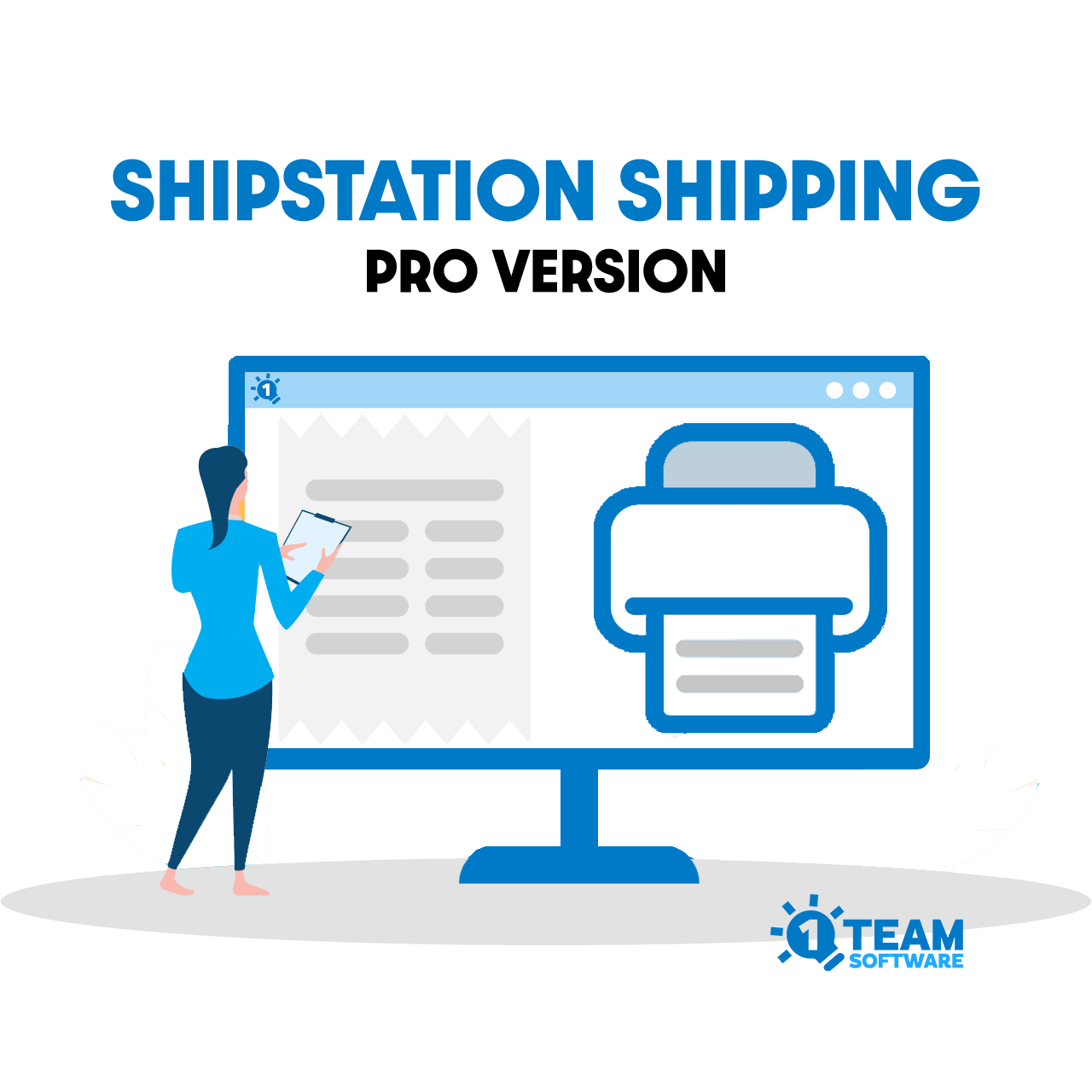
**Multi-Carrier ShipStation Shipping PRO for WooCommerce** is a plugin that streamlines order fulfillment by integrating WooCommerce with the ShipStation platform. It enables store owners to display live shipping rates during checkout, generate shipping labels from within the WooCommerce dashboard, and automatically sync shipment data between ShipStation and WooCommerce.
### Key Benefits
- **Improved Checkout Experience**
Customers see accurate, real-time shipping rates directly in the cart and checkout, helping them make informed shipping choices and reducing cart abandonment.
- **Faster Order Fulfillment**
Shipping labels can be purchased and printed from the WooCommerce order screen, reducing the need to switch between platforms and minimizing time spent per order.
- **Automated Tracking Updates**
Tracking information from ShipStation is automatically imported into WooCommerce orders and emailed to customers, helping to reduce support requests and improve post-purchase transparency.
- **Optimized Packaging**
Items are automatically packed into predefined box configurations based on size and weight, ensuring accurate rate calculation and efficient shipping.
- **Cost Control and Customization**
Merchants can apply handling fees or currency adjustments to shipping rates, display only selected shipping services, and rename shipping methods for clarity at checkout.
- **Support for Multi-Vendor Setups**
Works with multi-vendor plugins (e.g., Dokan, WCMP, WCFM, YITH) to calculate rates using vendor-specific origin addresses, making it suitable for marketplace-style stores.
- **Scalable for High Volume**
Includes tools for batch label printing and configurable workflows to support warehouse operations, including one-click shipping label creation and consolidated label downloads.
- **Debug and Diagnostic Tools**
A built-in debug mode provides detailed logs, helping store owners and support teams diagnose and resolve issues efficiently.
### Considerations
- This plugin requires a ShipStation account and access to its services. Carrier support and some functionality (such as shipment status updates) are dependent on ShipStation's API capabilities.
- Additional service fees may apply based on ShipStation’s pricing for features like label printing or address validation.
This plugin is intended for WooCommerce users who want to automate and centralize their shipping operations, improve efficiency, and provide better shipping transparency to customers.

AWS CodePipeline is a continuous integration and continuous delivery (CI/CD) service that automates the build, test, and deployment phases of your release process. By modeling your software release workflow, CodePipeline enables rapid and reliable application and infrastructure updates. It integrates seamlessly with various AWS services and third-party tools, allowing you to create a streamlined and efficient pipeline tailored to your development needs.
Key Features and Functionality:
- Workflow Modeling: Define your release process with a series of stages (e.g., build, test, deploy) and actions, providing a clear visualization and management of your pipeline.
- Parallel Execution: Increase workflow speed by configuring build, test, and deployment actions to run concurrently.
- AWS Integrations: Connect with services like AWS CodeCommit, AWS CodeBuild, AWS CodeDeploy, and AWS Lambda to automate various stages of your release process.
- Third-Party Tool Integration: Easily incorporate external tools such as GitHub, Jenkins, and others into your pipeline for source control, build, test, or deployment actions.
- Custom Plugins: Integrate your own systems by registering custom actions, allowing for a tailored pipeline that meets specific requirements.
- Declarative Templates: Define your pipeline structure using JSON documents, facilitating easy updates and creation of new pipelines.
- Access Control: Manage permissions and control over your release workflow using AWS Identity and Access Management (IAM).
- Notifications: Set up Amazon Simple Notification Service (SNS) notifications for events impacting your pipelines, keeping your team informed of status changes.
Primary Value and User Solutions:
AWS CodePipeline addresses the need for efficient and reliable software release processes by automating the steps involved in building, testing, and deploying applications. This automation reduces manual intervention, minimizes errors, and accelerates the delivery of new features and updates. By integrating with a wide range of AWS services and third-party tools, CodePipeline offers a flexible and scalable solution that adapts to various development workflows. Ultimately, it empowers development teams to focus on innovation and quality, ensuring that applications are delivered to users swiftly and with confidence.
Spark SQL lets you query structured data inside Spark programs, using either SQL or a familiar DataFrame API. Usable in Java, Scala, Python and R.

From request to reconciliation, PayEm has you covered
Subsidiary finances, vendor payments, and employee expenses– all managed in one place, seamlessly integrated with your ERP.
Platform Benefits:
Multi-territory management
PayEm’s platform was built for multinational operations. Capture requests and invoices, create bills, schedule and send payments to anywhere in the world, in any currency, then auto-categorize and sync with your ERP. The platform allows every subsidiary to have financial and accounting autonomy while enabling holistic processes at the global level.
Streamline payments
Set rules, designate limits, and issue virtual or physical cards to make it easier to stay on track and within budget. Accelerate payment processes from beginning to end while reducing errors and saving time with AP automation and streamlined reconciliation- all fully synced with your ERP. You can also send funds to over 200 territories in 130 different currencies in just one click.
Empowered employees
PayEm’s platform automates approval flows, giving individuals and teams within global organizations the ability to manage non-payroll spend as needed while safeguarding budget. Manage T&E expenses in a snap by issuing individual employees with either physical or virtual credit cards. PayEm’s platform also connects with HR management platforms for easy on and offboarding.
Deep ERP Integration
PayEm’s platform seamlessly integrates with top ERPs, so you’ll never have to worry about manual inputs or double data entry. From PO to reconciliation, finance teams can focus on the big picture while getting real-time visibility by subsidiary, department, team, employee, or vendor in reporting and automation. Our integrations don’t end with ERPs, PayEm’s platform also integrates with Slack, HR and travel platforms, as well as accounting software.