



What I like most about SuprSend
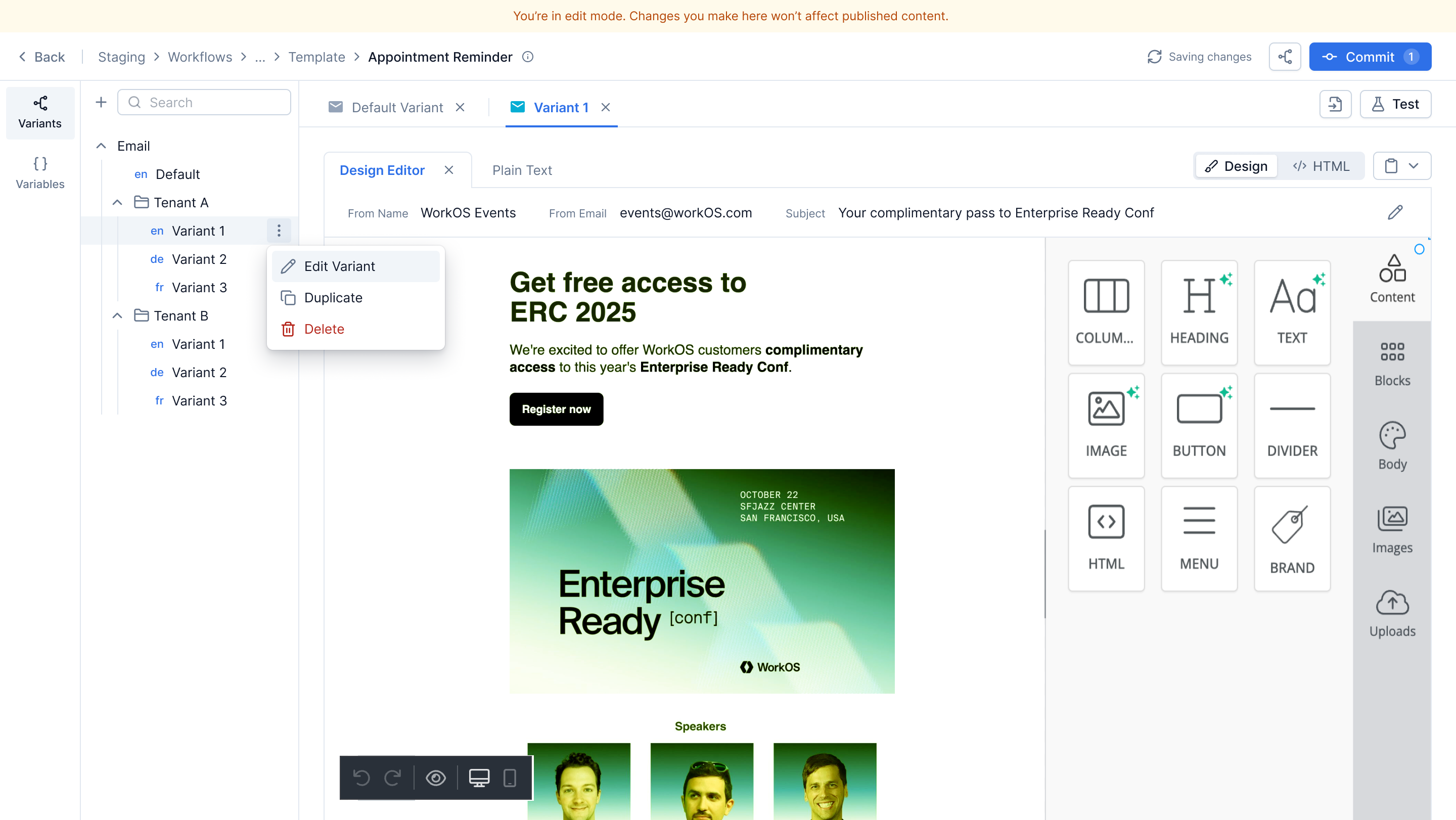
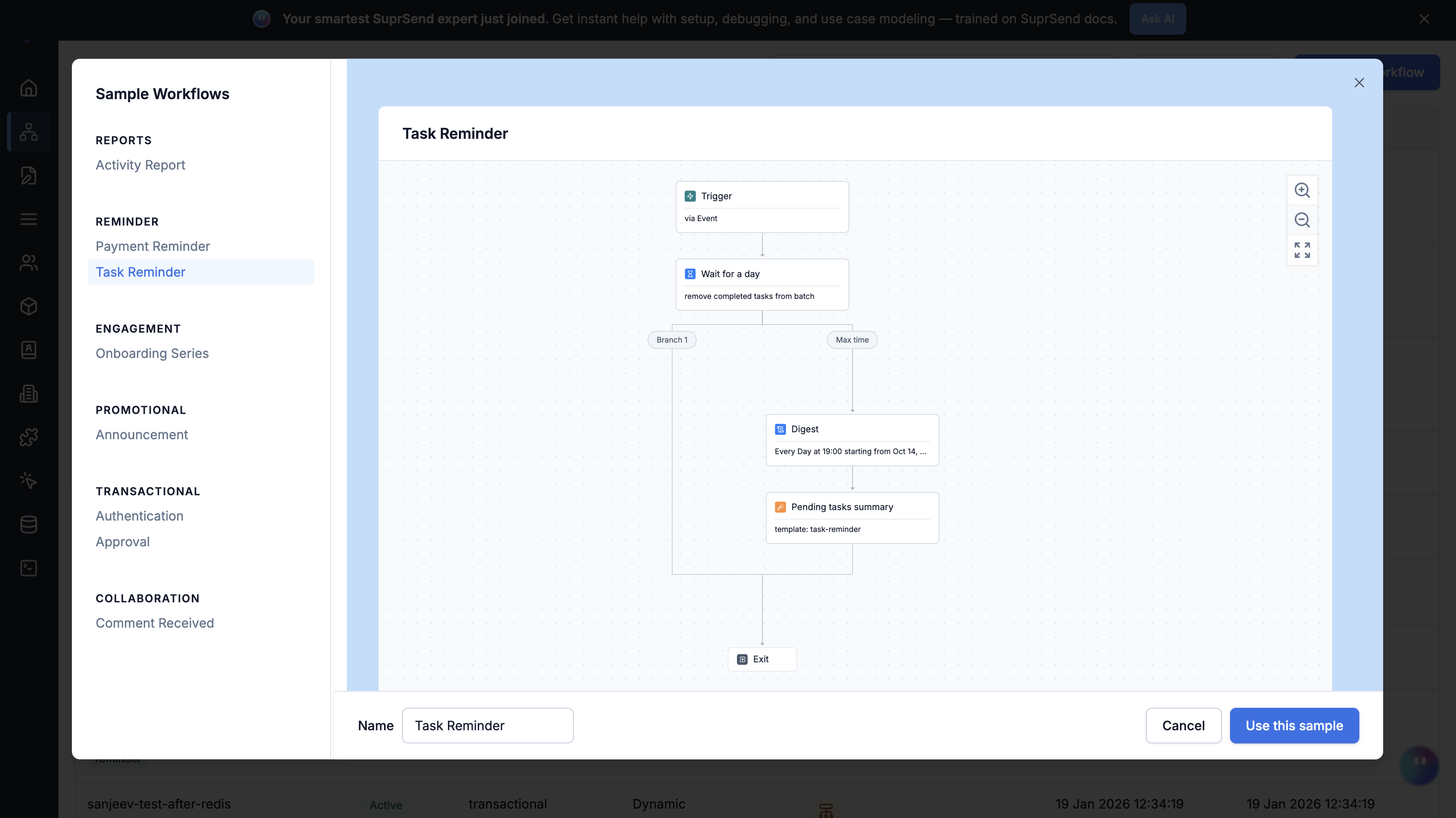
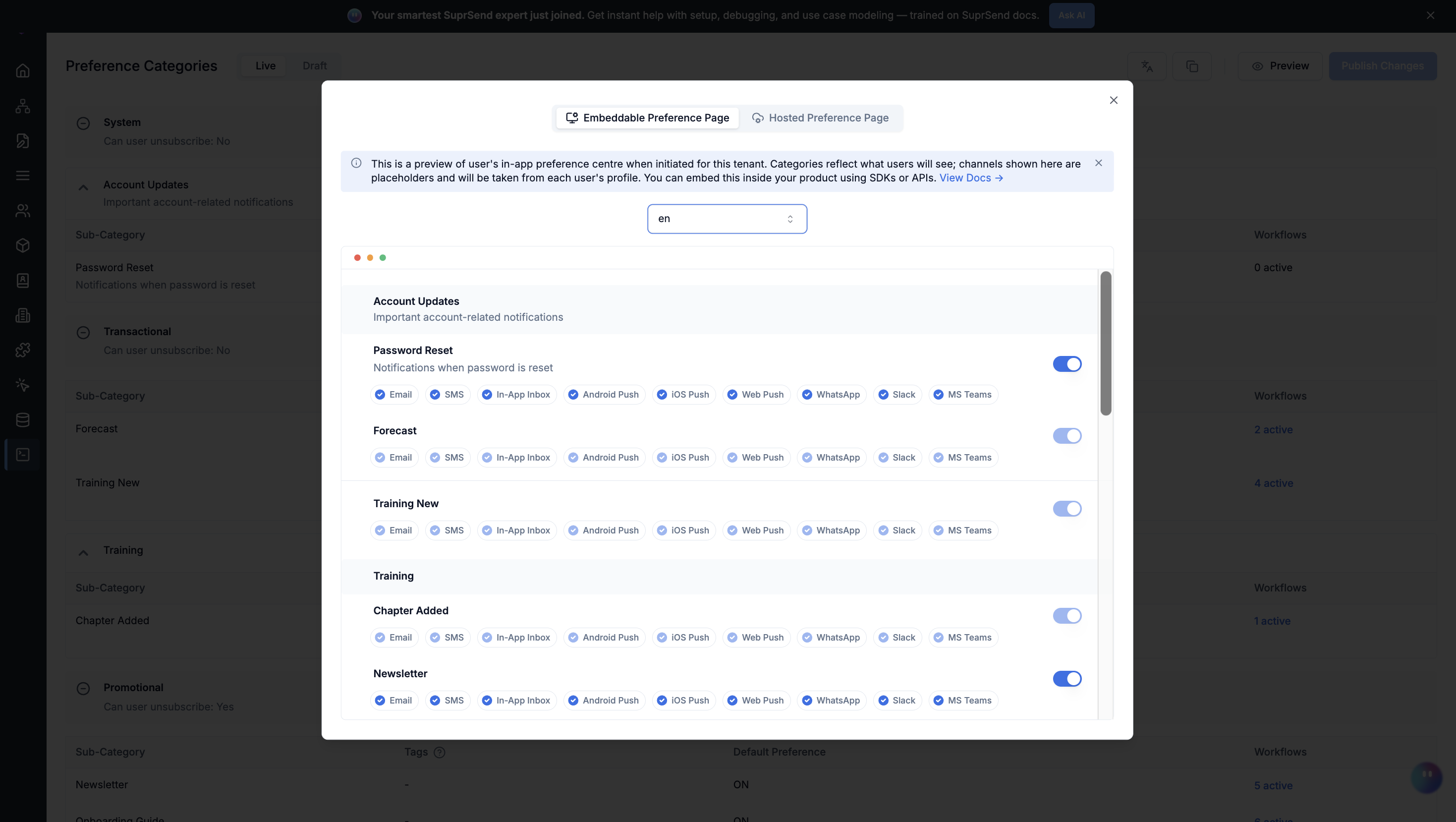
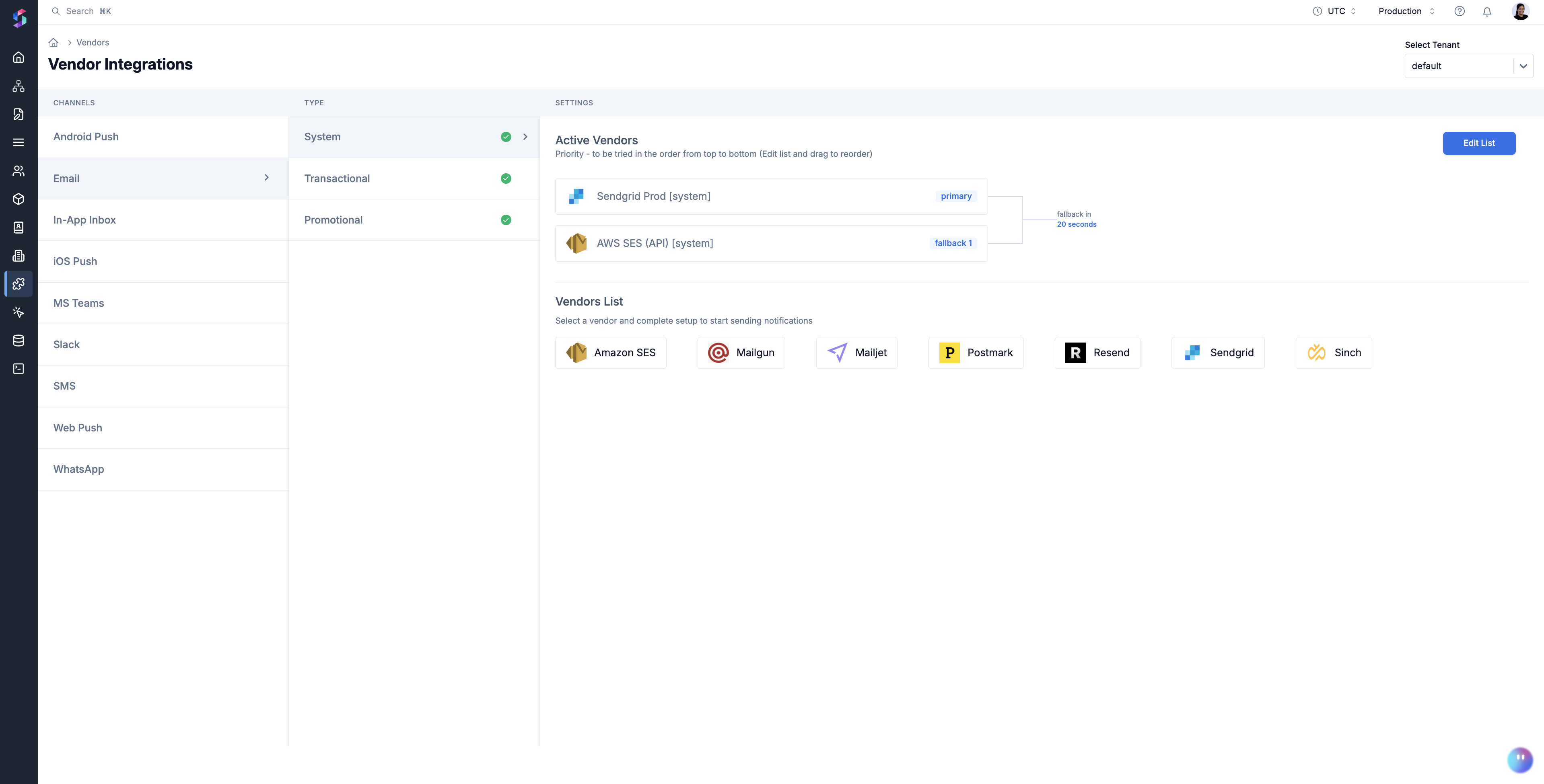
is how thoughtfully the platform is designed from both a developer and product perspective. The UI is clean and easy to navigate, so setting up notification workflows doesn’t feel overwhelming even when handling multiple channels like email, push, SMS, Slack, and in-app messaging.
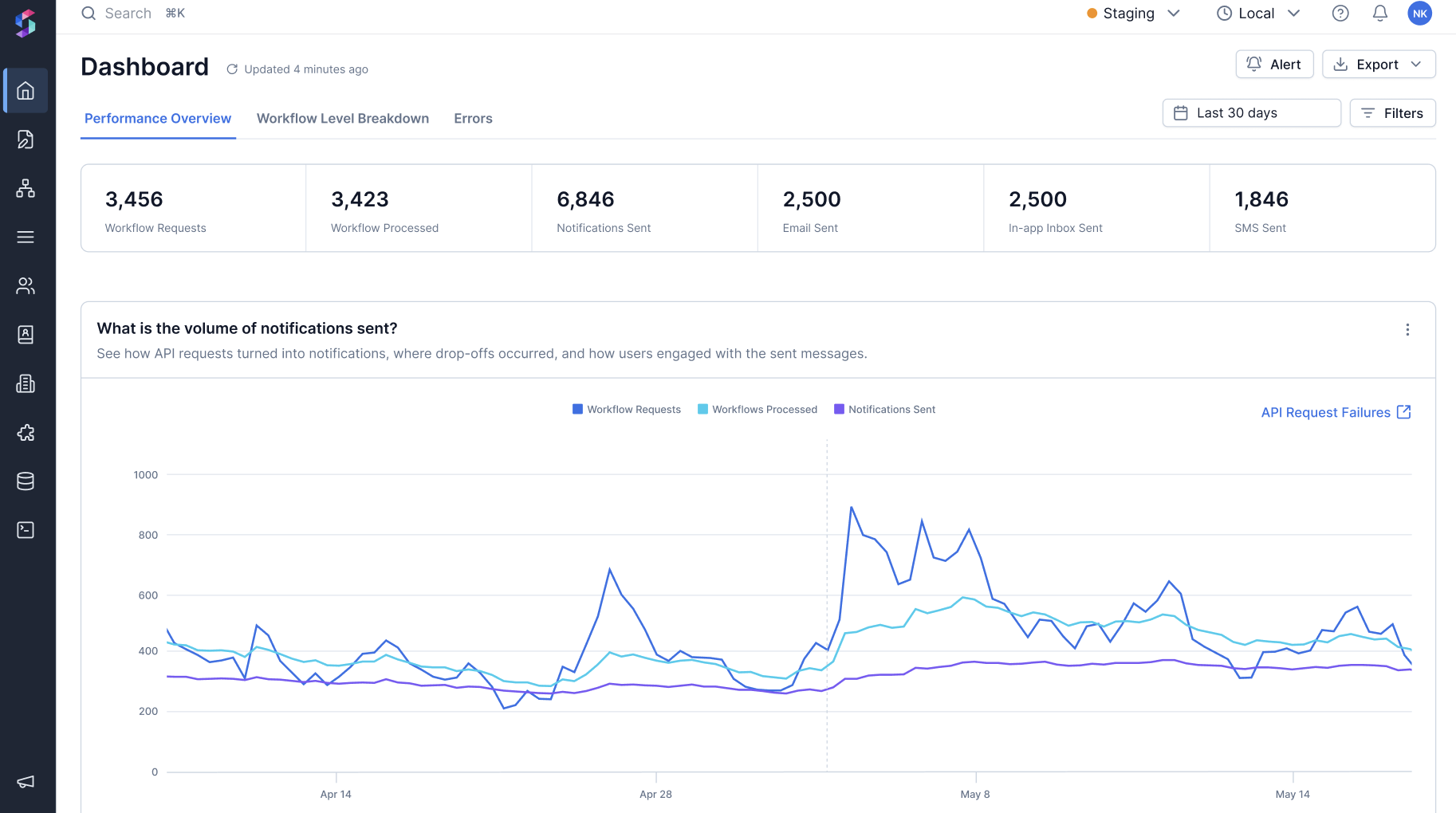
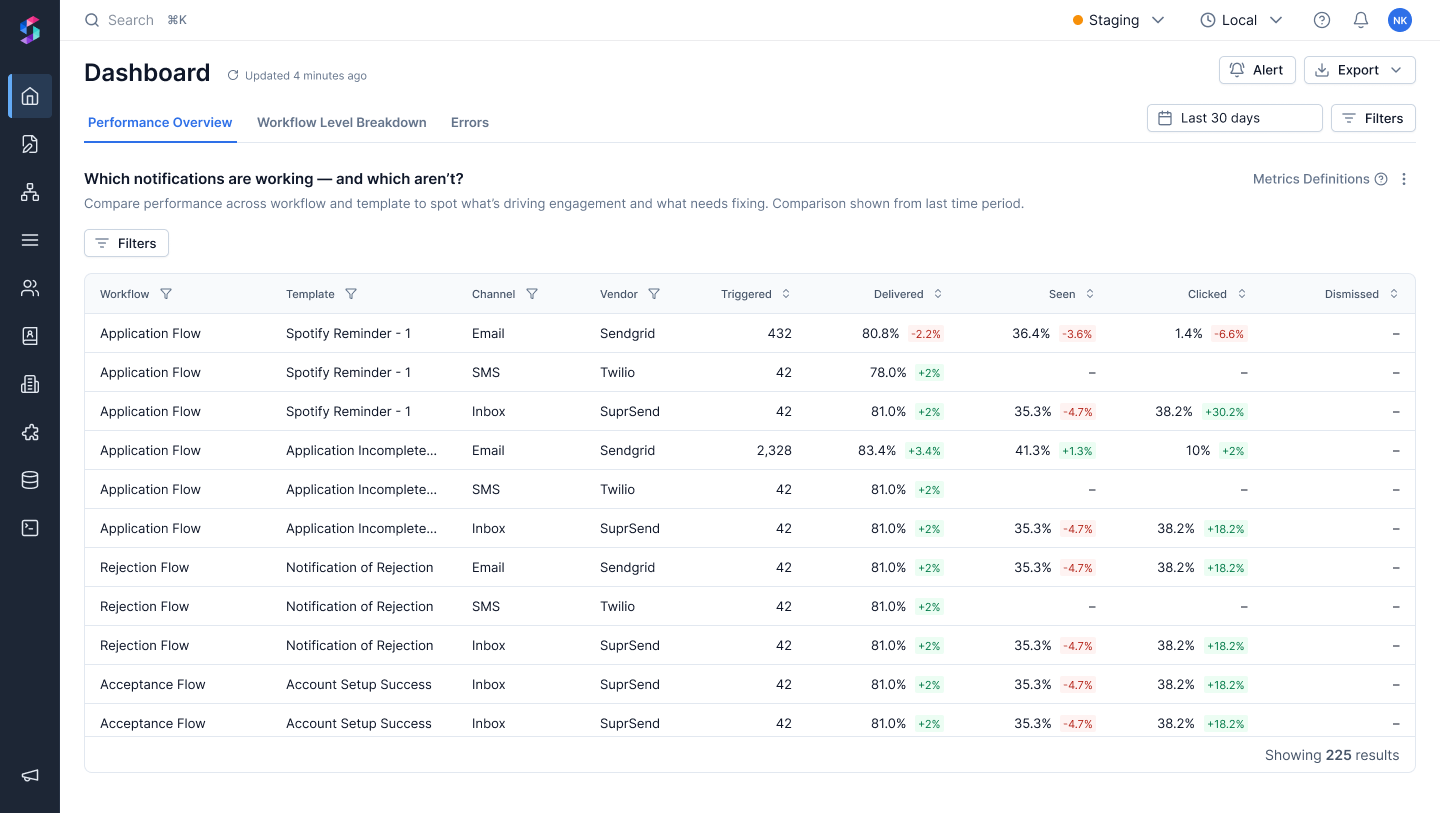
The integrations are another strong point. It connects well with modern product stacks and makes it easier to centralize communication logic instead of managing notifications separately across tools. From a performance standpoint, the platform feels reliable and scalable, especially for teams that send large volumes of notifications and need good observability.
I also like the balance between flexibility and automation. Features like batching, user preferences, workflow rules, and intelligent routing help reduce notification noise and improve the overall user experience. There’s a subtle AI/intelligence layer in how workflows and delivery can be optimized, which makes the system feel smarter than a basic notification service.
In terms of ROI, it saves a significant amount of engineering effort that would otherwise go into building and maintaining an in-house notification infrastructure. That alone can justify the pricing for growing teams. The onboarding experience also feels developer-friendly, with good documentation and a product flow that’s relatively quick to understand. Overall, it feels like a mature platform solving a very real operational problem in a practical way. Reseña recopilada por y alojada en G2.com.
One thing I dislike about SuprSend
is that while the platform is powerful, some parts of the setup can feel a bit overwhelming initially — especially when configuring complex multi-channel workflows or advanced notification logic. Reseña recopilada por y alojada en G2.com.