
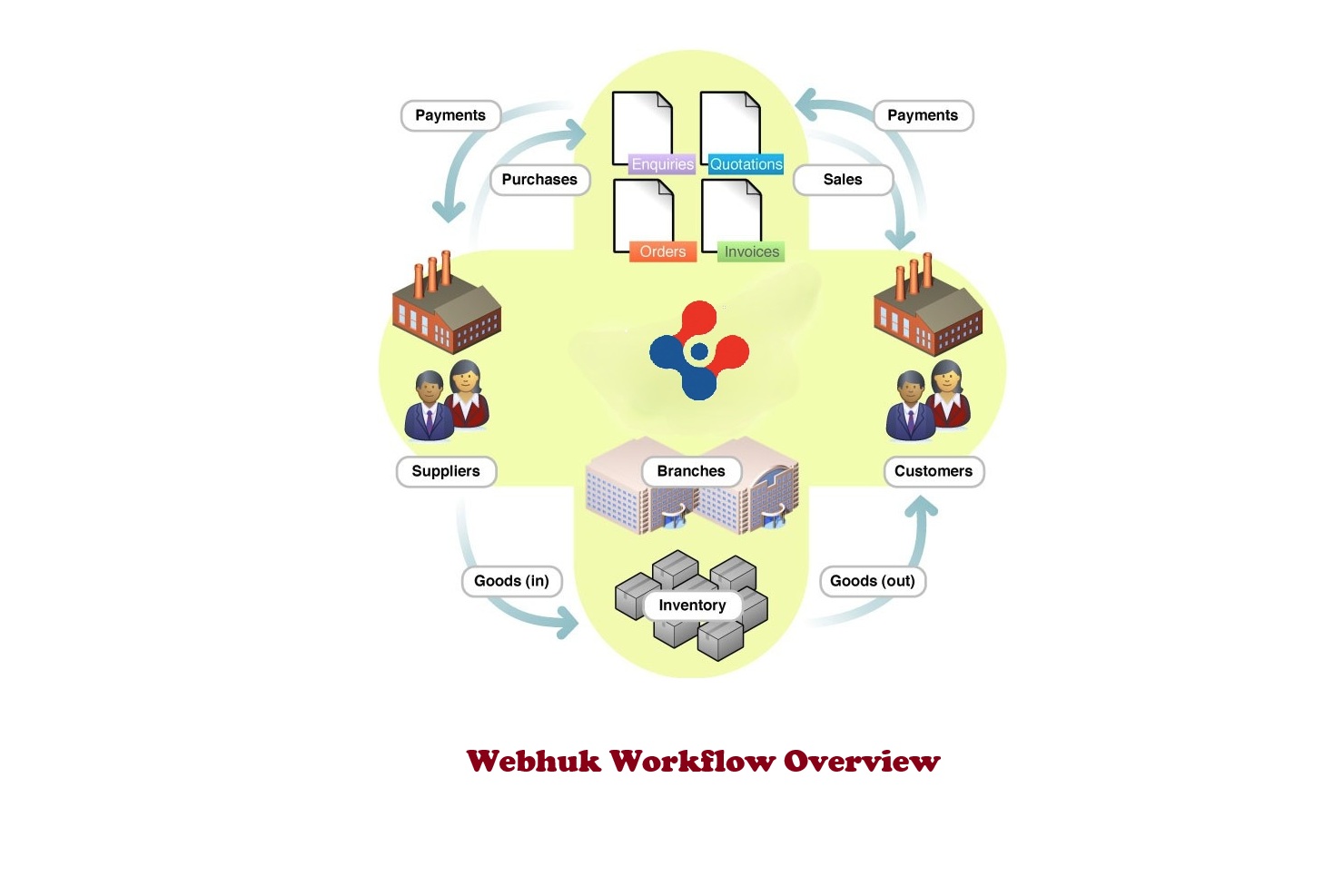
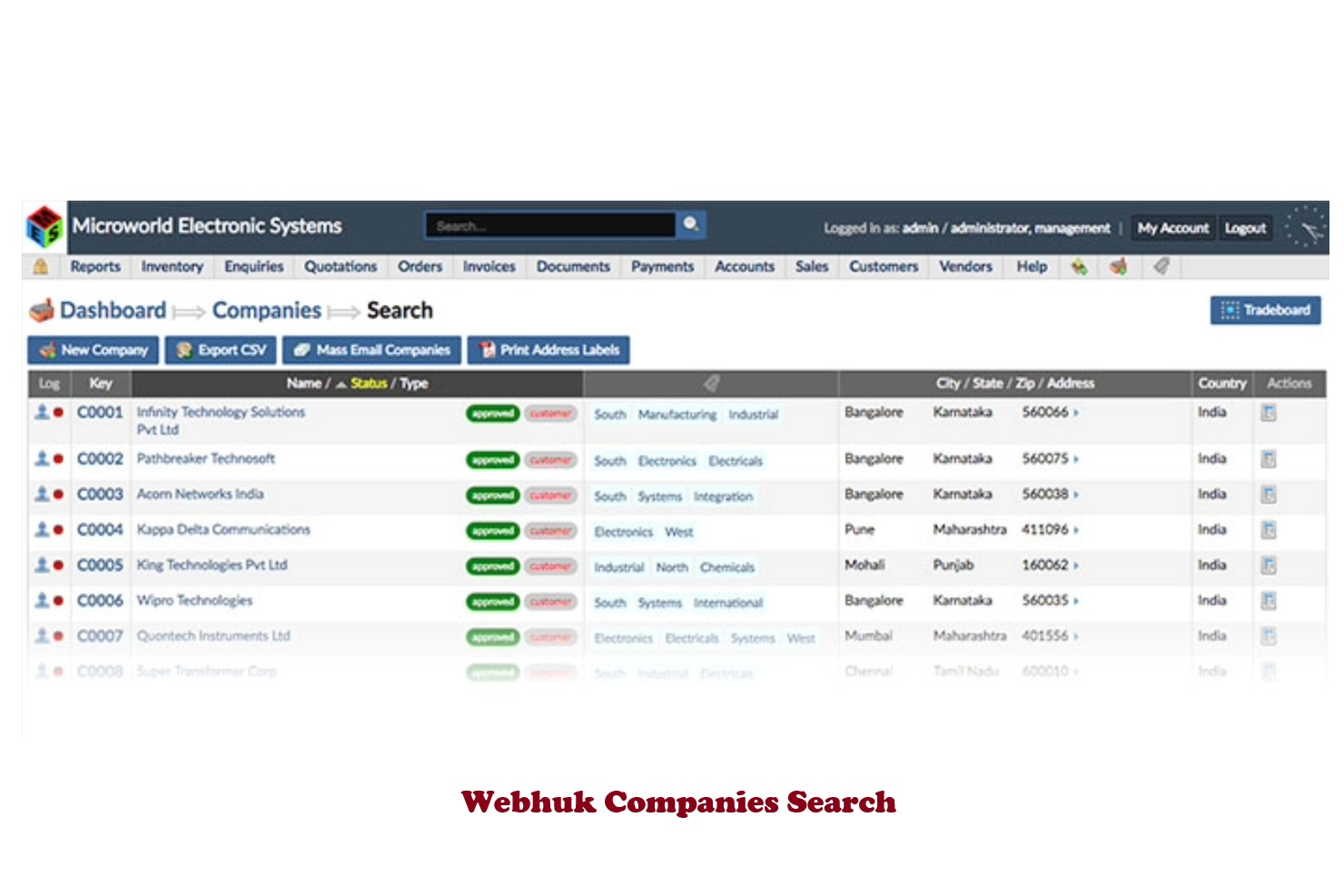

What I find most helpful about Webhuk is how it connects everything into one flow. Before using it, we were managing quotations, orders, inventory, and payments across different tools, which made it hard to track what was actually happening in the business.
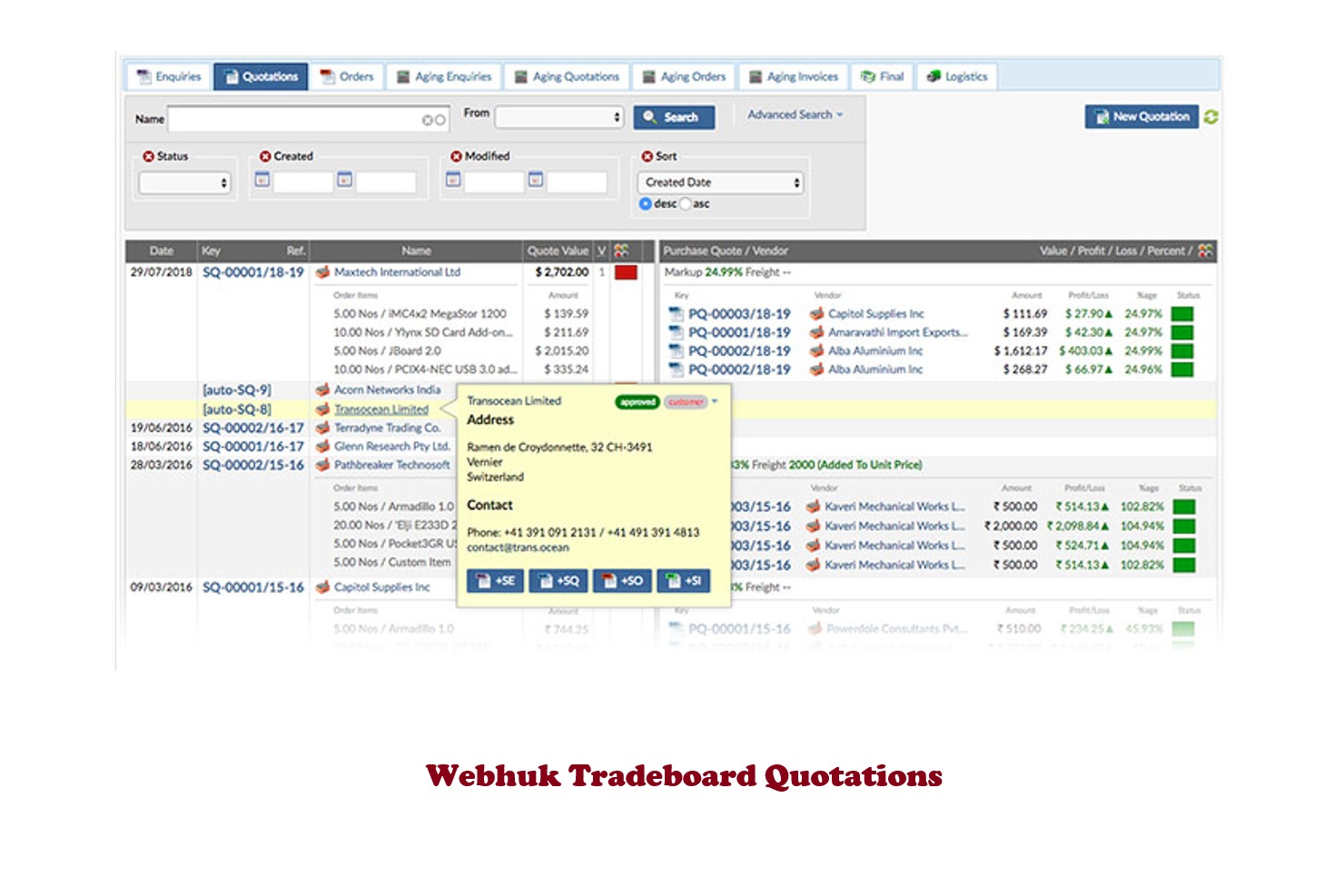
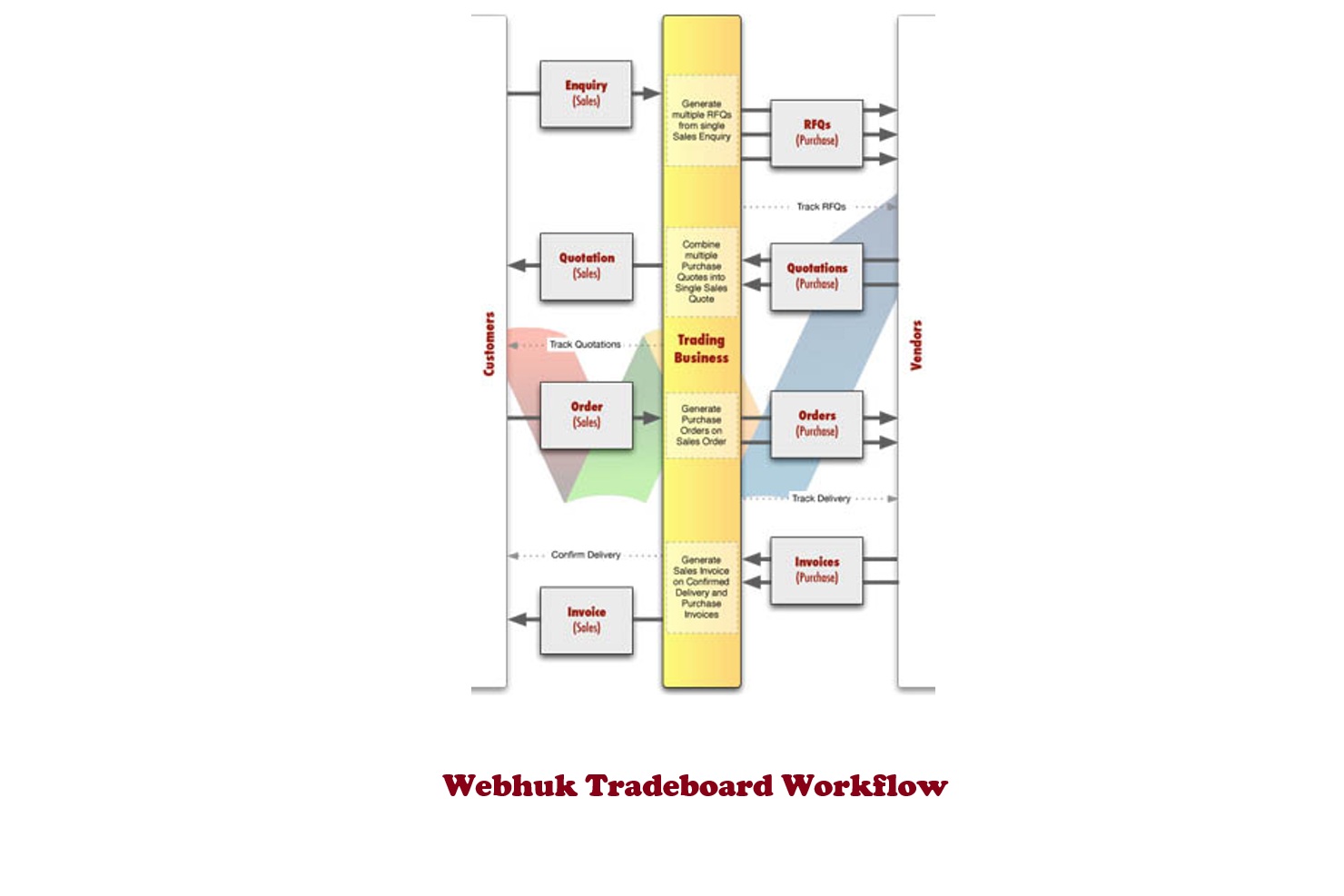
With Webhuk, the process is structured from enquiry to quotation, then to order, procurement, invoicing, and payment tracking. This makes it much easier to see where things stand at any point in time.
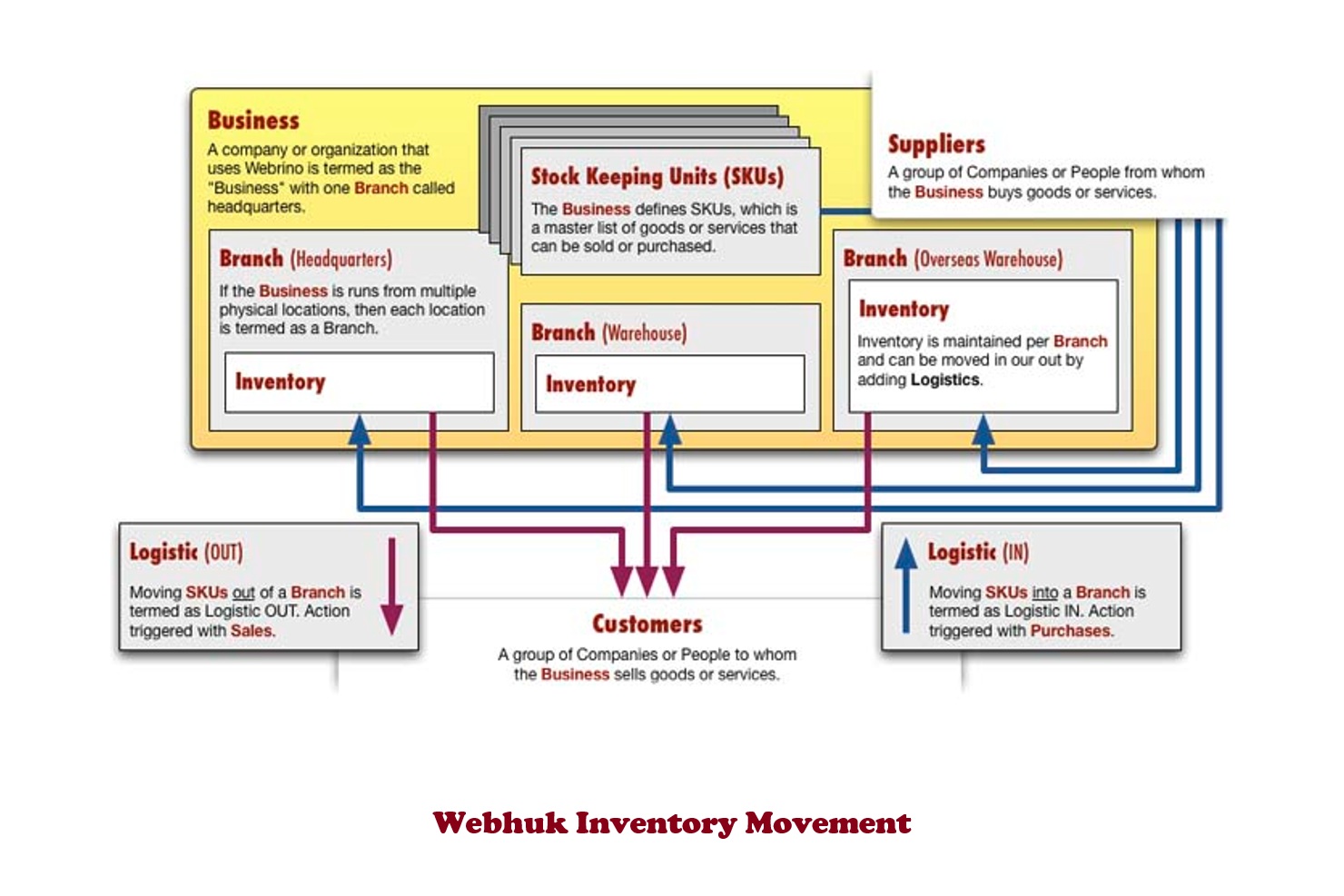
The biggest upside is visibility. You can track stock across locations, monitor outstanding payments, and understand how sales and procurement are linked without having to reconcile data manually. It reduces errors and saves time.
It’s also practical. It doesn’t feel like a heavy system, but it still gives enough control to manage day-to-day operations properly. For a growing business, it helps bring order to what would otherwise be a mix of spreadsheets and disconnected processes. Review collected by and hosted on G2.com.
One area that could be improved is integrations. While the platform covers core workflows well, deeper native integrations with other commonly used tools (such as accounting systems or external platforms) would make it easier to fit into existing setups without relying on workarounds.
There is also a learning curve at the beginning, especially for teams moving from spreadsheets. Since Webhuk introduces a more structured way of working, it takes a bit of time for users to fully understand how the workflows connect across sales, procurement, and inventory.
In some areas, additional reporting flexibility would be useful, particularly for businesses that want more customized views of their data for analysis.
Overall, these are not blockers, but improving integrations, onboarding guidance, and reporting options would enhance the experience further as the product continues to evolve. Review collected by and hosted on G2.com.