E-Commerce Platforms Resources
Articles, Glossary Terms, Discussions, and Reports to expand your knowledge on E-Commerce Platforms
Resource pages are designed to give you a cross-section of information we have on specific categories. You'll find articles from our experts, feature definitions, discussions from users like you, and reports from industry data.
E-Commerce Platforms Articles

Top 30 FAQ Page Examples and How to Build Yours

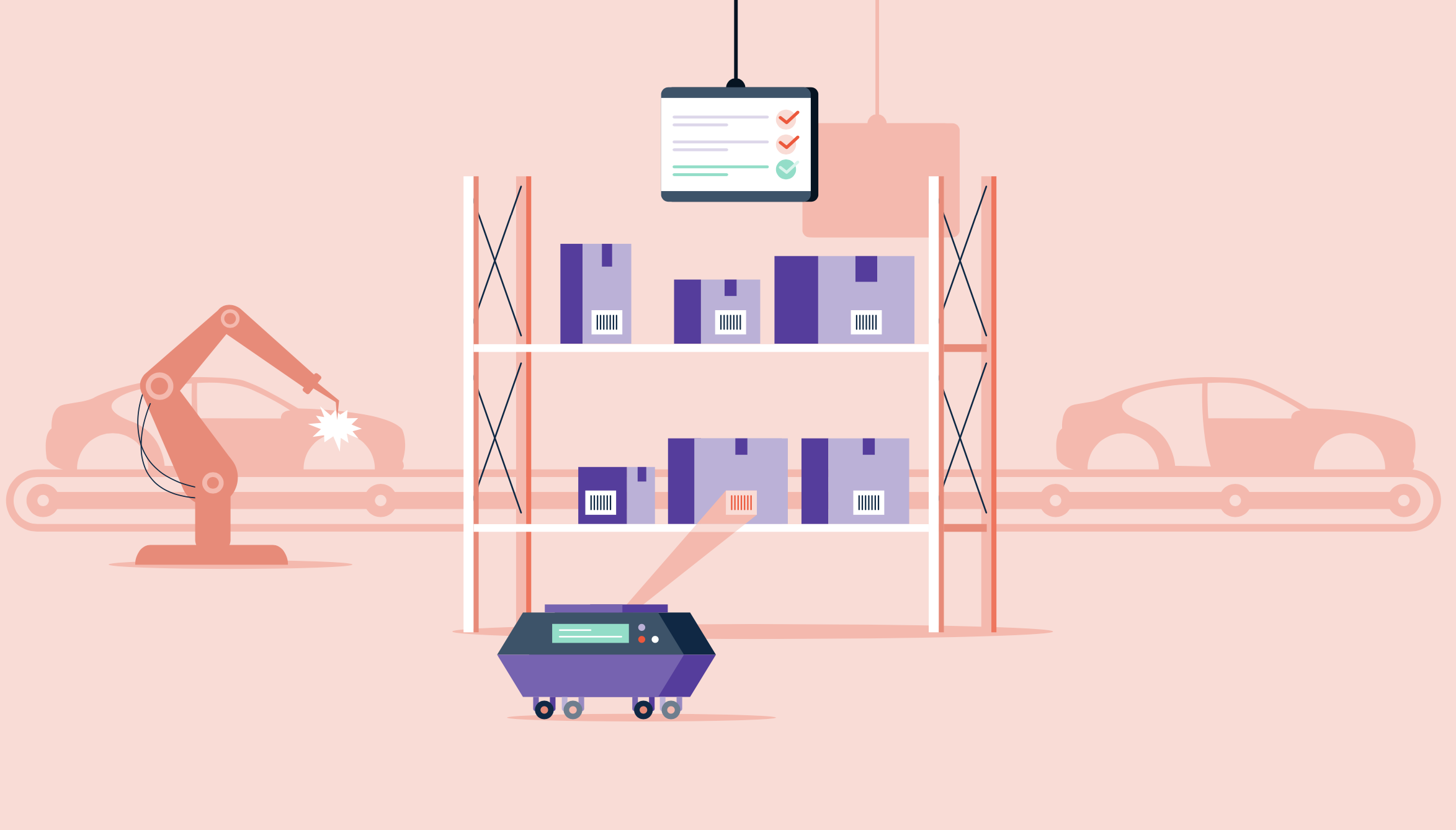
The Benefits and Types of Manufacturing Inventory Management

2023 Trends in the E-commerce Industry




E-Commerce Platforms Glossary Terms
White labeling involves selling a company’s product under another brand’s name. Discover its benefits, best practices, and industries using white labels.
3DS payment gateways are secure card payment processors. Learn how businesses use 3DS gateways for online and in-person transactions and their benefits.
Customer experience management (CXM) prioritizes personalized experiences at every customer interaction. Learn more about its benefits for businesses.

Product differentiation is a group of traits or characteristics distinguishing a product from a similar one on the market. Learn the types and benefits.
A payment gateway is a technology tool that transfers payment data between a customer and a merchant. Learn about the three types and the benefits.

A headless content management system is back-end software that allows connection to any presentation layer via application programming interfaces (APIs.)

A go-to-market strategy is an all-encompassing plan for launching a new product or service. Learn how to create a GTM strategy and why it’s important.
E-commerce is any transaction of goods or services over the internet. Learn more about the different types of e-commerce and best practices for success.
Salespeople secure add-on sales by recommending additional products and services to customers. Learn about add-on sales benefits, best practices, and more.
Intangible products refer to company offerings that are not physical in nature. Learn more about intangible products, what falls into the category, and how to sell products that can’t be touched.