E-Commerce Platforms Resources
Articles, Glossary Terms, Discussions, and Reports to expand your knowledge on E-Commerce Platforms
Resource pages are designed to give you a cross-section of information we have on specific categories. You'll find articles from our experts, feature definitions, discussions from users like you, and reports from industry data.
E-Commerce Platforms Articles

Top 30 FAQ Page Examples and How to Build Yours
It’s no secret that the best companies put their customers first.
by Deirdre O'Donoghue
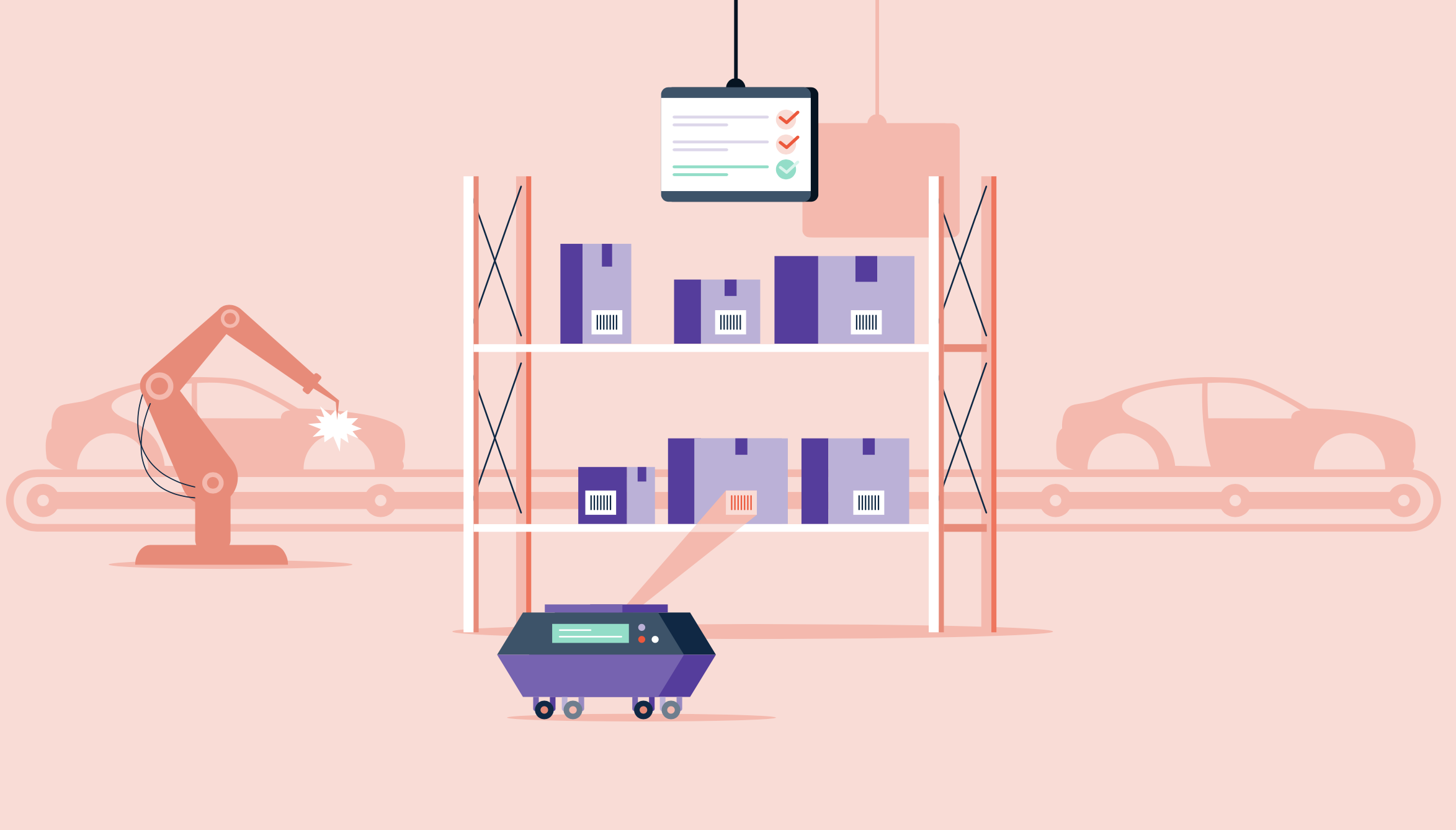
The Benefits and Types of Manufacturing Inventory Management
Keeping track of all the goods in your inventory is easier said than done.
by Adithya Siva
2023 Trends in the E-commerce Industry

This post is part of G2's 2023 digital trends series. Read more about G2’s perspective on digital transformation trends in an introduction from Emily Malis Greathouse, director, market research, and additional coverage on trends identified by G2’s analysts.
by Subhransu Sahu
14 E-commerce Trends in 2023: The Future of Online Shopping
Entrepreneurs must stay curious about what's trending.
by Deirdre O'Donoghue
Highlights From the G2 Fall 2022 E-Commerce Reports
The e-commerce software market experienced significant changes in the past quarter caused by market corrections, changes in buyer behavior, and supply chain challenges. To understand how these changes impacted users, I analyzed the most recent G2 e-commerce reports data for fall 2022.
by Gabriel Gheorghiu
A Better Future for Digital Storefronts with E-Commerce Personalization
The COVID-19 pandemic brought about changes to many industries, including one of the most sought-after ones, the retail sector. From suppliers, manufacturers, distributors, wholesalers, and retailers to consumers, everyone was exposed to the vulnerabilities and consequences of the pandemic. Amidst this health and economic crisis, consumer shopping behavior changed entirely. Businesses realized the power of digital transformation and added a virtual storefront to their brick-and-mortar store as consumers adapted to shopping online.
by Subhransu Sahu
What Is Social Commerce, and Why We Created a New Category for It
The fact that social media is critical for e-commerce is obvious. There are billions of users on social media platforms, and many of them buy online. It is estimated that the number of social media users worldwide will reach 5.85 billion by 2027. In addition, sellers also use social media to share and promote their products—the value of social commerce sales worldwide is estimated at 2.9 trillion dollars by 2026.
by Gabriel Gheorghiu
Introducing the Returns Management Category on G2
It’s safe to say that almost everyone has returned a product that they bought, either in-store or online. The reason for the return isn’t relevant—maybe a shirt didn’t fit, a toy arrived damaged, or they just decided they didn’t want the merchandise anymore. Whatever the reason, the retailer or manufacturer needs to have the proper return infrastructure in place to process and track these returns, ensuring that inventory is replenished or updated, and the customer receives a replacement product or a refund or credit is issued.
by Nathan Calabrese
Hybrid Shopping Trends in 2022
This post is part of G2's 2022 digital trends series. Read more about G2’s perspective on digital transformation trends in an introduction from Tom Pringle, VP, market research, and additional coverage on trends identified by G2’s analysts.
by Gabriel Gheorghiu
Digital Wallet and Cashless Payment Trends in 2022
This post is part of G2's 2022 digital trends series. Read more about G2’s perspective on digital transformation trends in an introduction from Tom Pringle, VP, market research, and additional coverage on trends identified by G2’s analysts.
by Nathan Calabrese
2021 Trends in E-Commerce and Industry 4.0
This post is part of G2's 2021 digital trends series. Read more about G2’s perspective on digital transformation trends in an introduction from Michael Fauscette, G2's chief research officer and Tom Pringle, VP, market research, and additional coverage on trends identified by G2’s analysts.
by Gabriel Gheorghiu
Why You Need an E-Commerce Strategy and How to Create One
If you sell online, you surely use an e-commerce platform or shopping cart software to create and manage your online store, track inventory and payments, and maybe personalize your buyers’ shopping experience. But your competitors also use similar tools—so what is your competitive advantage?
by Gabriel Gheorghiu
COVID-19 Drives E-Commerce Growth for Brick and Mortar Retailers
The coronavirus pandemic has compelled consumers to stay home in quarantine, driving some brick and mortar stores to either move online or adopt a combination of both in-store (curbside pickup) and online sales methods for the first time.
by Nathan Calabrese
What Is E-Commerce? How to Launch Your Dream Business Today
Contrary to popular belief, not everything sold online is considered e-commerce.
by Deirdre O'Donoghue
56 Online Shopping Statistics to Unveil Latest Buying Trends
Online shopping, once a novelty, has now become a staple in our daily lives.
by Sagar Joshi
E-Commerce Platforms Glossary Terms
E-Commerce Platforms Discussions
0
Question on: Wix
How different is your use case with Wix?
We have adapted with each and ever feature/functionality of Wix, and we wonder how varied its use case might me with other businesses. Do let me know, what are some of the varied or unique use case you have had with Wix.
I can make out my another website on Wix. I am not a techie but wix features and function help me lot to create a creative website.
0
Question on: WooCommerce
What is WooCommerce used for?
WooCommerce is a WordPress plugin that turns your website into an online store. It allows you to sell products, handle payments, manage orders, set shipping options, calculate taxes, and customize store design. With various extensions, it provides advanced features like subscriptions and memberships for a complete eCommerce solution.
WooCommerce is an e-commerce plugin for WordPress. It makes creating and managing an online store simple, with reasonable levels of flexibility and several vital features such as inventory and tax management, secure payments, and shipping integration.
A free ecommerce plugin for WordPress = turns WordPress websites into online stores (think Shopify) but with freedom!
you can use it selling physical goods, subscriptions, or booking appointments.
it handles inventory, payments gateways, and more.
0
Question on: Adobe Commerce (formerly Magento Commerce)
What is Adobe Commerce (formerly Magento Commerce) used for?
Adobe Commerce (formerly Magento Commerce) is an eCommerce platform used to build and manage online stores. It allows businesses to customize their stores, manage products, track inventory, and offer personalized shopping experiences. Adobe Commerce supports multiple sales channels like websites, mobile apps, and social media. It includes tools for marketing, promotions, and SEO to help businesses increase sales. The platform also offers secure payment processing, shipping integration, and detailed reporting for better decision-making. It is scalable, making it suitable for small to large businesses, and provides global features like multi-language and multi-currency support.
Adobe Commerce (formerly Magento Commerce) is an e-commerce platform that enables you to sell online and manage products, pricing, inventory, and customers all in one place.
It also provides tools for marketing, analytics, and integrating with other systems, making it easier to grow sales and offer a smooth shopping experience.
E-Commerce Platforms Reports
Mid-Market Grid® Report for E-Commerce Platforms
Fall 2026
G2 Report: Grid® Report
Grid® Report for E-Commerce Platforms
Fall 2026
G2 Report: Grid® Report
Enterprise Grid® Report for E-Commerce Platforms
Fall 2026
G2 Report: Grid® Report
Momentum Grid® Report for E-Commerce Platforms
Fall 2026
G2 Report: Momentum Grid® Report
Small-Business Grid® Report for E-Commerce Platforms
Fall 2026
G2 Report: Grid® Report
Enterprise Grid® Report for E-Commerce Platforms
Summer 2026
G2 Report: Grid® Report
Small-Business Grid® Report for E-Commerce Platforms
Summer 2026
G2 Report: Grid® Report
Mid-Market Grid® Report for E-Commerce Platforms
Summer 2026
G2 Report: Grid® Report
Grid® Report for E-Commerce Platforms
Summer 2026
G2 Report: Grid® Report
Momentum Grid® Report for E-Commerce Platforms
Summer 2026
G2 Report: Momentum Grid® Report