Biometric Authentication Software Resources
Articles, Glossary Terms, Discussions, and Reports to expand your knowledge on Biometric Authentication Software
Resource pages are designed to give you a cross-section of information we have on specific categories. You'll find articles from our experts, feature definitions, discussions from users like you, and reports from industry data.
Biometric Authentication Software Articles
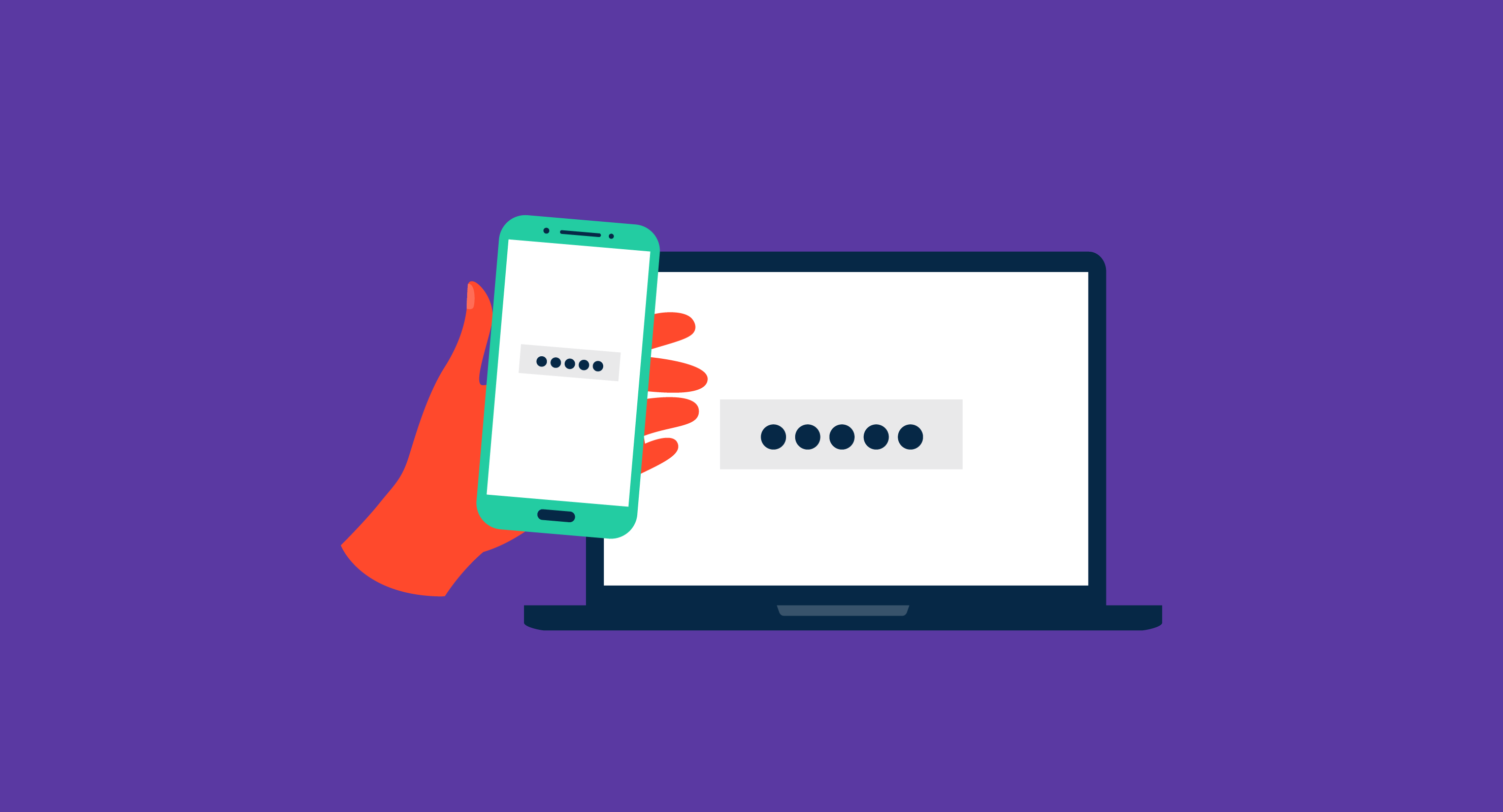
What is Multi-Factor Authentication (MFA)? Types and Benefits


The Things Have Eyes: An Introduction to IoT
Biometric Authentication Software Glossary Terms
Passwordless authentication takes the hassle out of entering passwords. Learn the benefits, types, and how it differs from multi-factor authentication.

What is biometric authentication, and why is it important as a software feature? Our G2 guide can help you understand biometric authentication, how it’s used by industry professionals, and the benefits of biometric authentication.
Biometric Authentication Software Discussions
Looking at data on the biometric authentication software category, several platforms stand out for delivering strong facial recognition login capabilities. These solutions are designed to provide secure, seamless authentication experiences that protect against fraud while keeping the login process convenient. See below for my top picks:
Entrust IDV (formerly Onfido) – Entrust IDV uses advanced face-matching and liveness detection to verify identities. Many organizations leverage it for customer onboarding and recurring logins, particularly in industries like finance and insurance that demand high trust.
iDenfy – iDenfy offers real-time facial recognition login paired with document verification. Mobile apps often adopt it for quick, secure access that minimizes friction while ensuring compliance with KYC and AML standards.
Ondato – Ondato provides facial recognition authentication as part of its identity management suite. It’s especially popular with financial services and telecoms seeking to prevent account takeover fraud through strong biometric checks.
Sumsub – Sumsub integrates facial recognition with liveness verification to guard against spoofing and deepfakes. Its flexible workflows make it a good fit for businesses that want to adapt login rules based on risk levels.
ComplyCube—ComplyCube supports face-based biometric logins with anti-spoofing technology. It’s designed for businesses handling sensitive customer data, helping them deliver security and a smooth user experience.
These platforms are well-suited for apps and services that want to replace or enhance traditional password logins with facial recognition. Each provides a slightly different balance of security, compliance, and integration flexibility.
I’ve seen some teams combine facial recognition with fallback authentication (like fingerprint or PIN) to handle edge cases where face login fails. Has anyone here tested how often customers actually use the fallback, and whether it impacts trust in the biometric system overall?
Hey G2 community, I’m curious. What do you think are the best biometric security solutions tailored for banks, credit unions, and fintech apps? Financial institutions need tools that not only secure customer access but also meet strict compliance standards like KYC and AML. I’ve gathered some highly rated options from the Biometric Authentication Software category, and I’d love to hear your experiences with them:
Entrust IDV (formerly Onfido) – Entrust IDV combines AI-driven identity verification with biometric checks like facial recognition and liveness detection. It’s widely used in financial services for onboarding customers securely while ensuring compliance with regulatory requirements.
iDenfy – iDenfy helps financial institutions detect fraud with facial biometrics, ID verification, and real-time monitoring. Its flexible integrations make it a strong choice for banks looking to quickly embed biometric checks into existing mobile apps and online platforms.
Ondato – Ondato offers biometric authentication alongside full KYC and AML compliance workflows. It’s especially popular with European financial institutions seeking to streamline remote onboarding while staying compliant with evolving regulations.
Sumsub – Sumsub provides identity verification with advanced biometric capabilities, including face authentication and fraud prevention tools. Financial institutions value its global compliance coverage and customizable workflows for onboarding and transaction monitoring.
ComplyCube – ComplyCube delivers biometric identity verification with strong liveness detection, document checks, and AML screening. Banks and fintechs often use it to balance customer convenience with stringent compliance standards.
These platforms are designed to reduce fraud, support regulatory compliance, and protect sensitive financial transactions. Each offers a different balance of biometric technology and compliance coverage depending on your institution’s needs.
We’ve seen more financial institutions adopt layered security approaches—combining biometrics with behavioral analytics or risk-based scoring. Has anyone tested whether this dual setup improves fraud prevention without slowing down customer onboarding? Would love to hear real-world results.
With mobile usage continuing to dominate, security and user experience are critical. Biometric authentication software offers a way to protect user accounts with fingerprint, face, voice, or behavioral verification—without making the login process feel cumbersome. Based on G2’s Biometric Authentication Software category, here are some of the top-rated options for mobile app security:
Onfido – Onfido provides AI-powered identity verification combined with biometric checks like facial recognition. It’s widely adopted for onboarding in fintech, banking, and e-commerce apps, helping reduce fraud while ensuring compliance with KYC and AML regulations.
FaceTec 3D Face Authentication – FaceTec specializes in advanced 3D face authentication with liveness detection to protect against spoofing and deepfakes. It’s a strong option for industries that demand high-assurance security, such as crypto, government, and enterprise-level applications.
LastPass – While known for password management, LastPass also supports biometric authentication for mobile access, allowing users to log in securely via face or fingerprint recognition. This makes it a convenient option for apps where balancing user-friendly access with strong encryption is key.
Veriff—Veriff offers face-based biometric authentication and document verification. Its scalability and global coverage make it appealing for apps targeting international audiences who need fast, reliable verification.
iDenfy – iDenfy combines facial biometrics, liveness detection, and ID verification into one solution. It’s designed to help mobile apps meet compliance requirements while preventing fraud, especially in finance and e-commerce use cases.
These platforms help businesses balance user-friendly logins with robust security. Whether your app requires simple biometric checks or advanced fraud prevention, each of these tools offers a different level of coverage and customization.
One challenge I’ve seen is finding the right balance between frictionless login and strong authentication. Has anyone compared user drop-off rates when introducing biometrics vs. traditional two-factor authentication in their mobile apps?