
Victoria Blackwell
Victoria is a Sr. Program Manager for Research Insights at G2. Prior to G2, Victoria began her career on Capitol Hill. She transitioned out of politics with an extensive background in project management and operations. She later found her niche in creating stylized brand and marketing campaigns while working for startups and powerhouse apps based in Chicago and London. This varied experience has made her an exceptional practitioner in the marketing and advertising content realm, leading her to expand into the B2B sphere.
As if the impact of 2020 hasn’t been talked about enough, there are a few emerging trends that are a direct result of its wrath. In the advertising industry especially, out-of-home suffered its worst-ever drop in revenue in 2020, plunging 13.3 percent to $51.6 billion from 2019. Out-of-home, also known as OOH, is any media placement that can be seen outdoors. Think billboards, posters, public transportation ads, etc. Anything one would see outside their physical home.
This decline is due to various stay-at-home orders, limited travel, and the world on pause. So what were marketers and advertisers to do? Continue the proverbial pause or bring the content to the one place they know people will be. Below we’ll explore how advertisers took the ultimate pivot and how this move could shape digital advertising for the foreseeable future.
Are mobile phones the new billboards?
Think back to the time when we were searching for hand sanitizers, making banana bread weekly, and Tiger King having a cultural chokehold on us. The naivety of thinking, “this will last two months, tops.” As weeks turned into months and months into years, it was clear that the new normal was taking over, which meant more screen time and the constant consumption of content in every form. This led to a major strategy change for most advertisers.
Almost overnight, the switch was made. There was an opportunity to showcase products, new series, books, and virtual drops anywhere there was a screen. Nothing was out of bounds for virtual promotion. This was nothing new for users in the B2C realm, but for B2B, this was uncharted territory. Asking questions like, what type of digital ad is best? How will we reach our customers? Enter digital advertising software.
What does digital advertising include?
Most common forms of digital advertising software range in the following categories; display, mobile, native, and social media advertising. Each category is similar in execution, but the content varies per platform.
Display advertising software: These products allow advertisers to manage and place ad content on websites. Think banner ads, rich media, etc.
Mobile advertising software: As the name suggests, mobile is strictly for smartphones or tablets. Ranging from full-screen placements to in-app ads.
Native advertising software: This type of software allows for better placement of ads based on the users’ media consumption. It enables the formatting of ads to match the content on any given site.
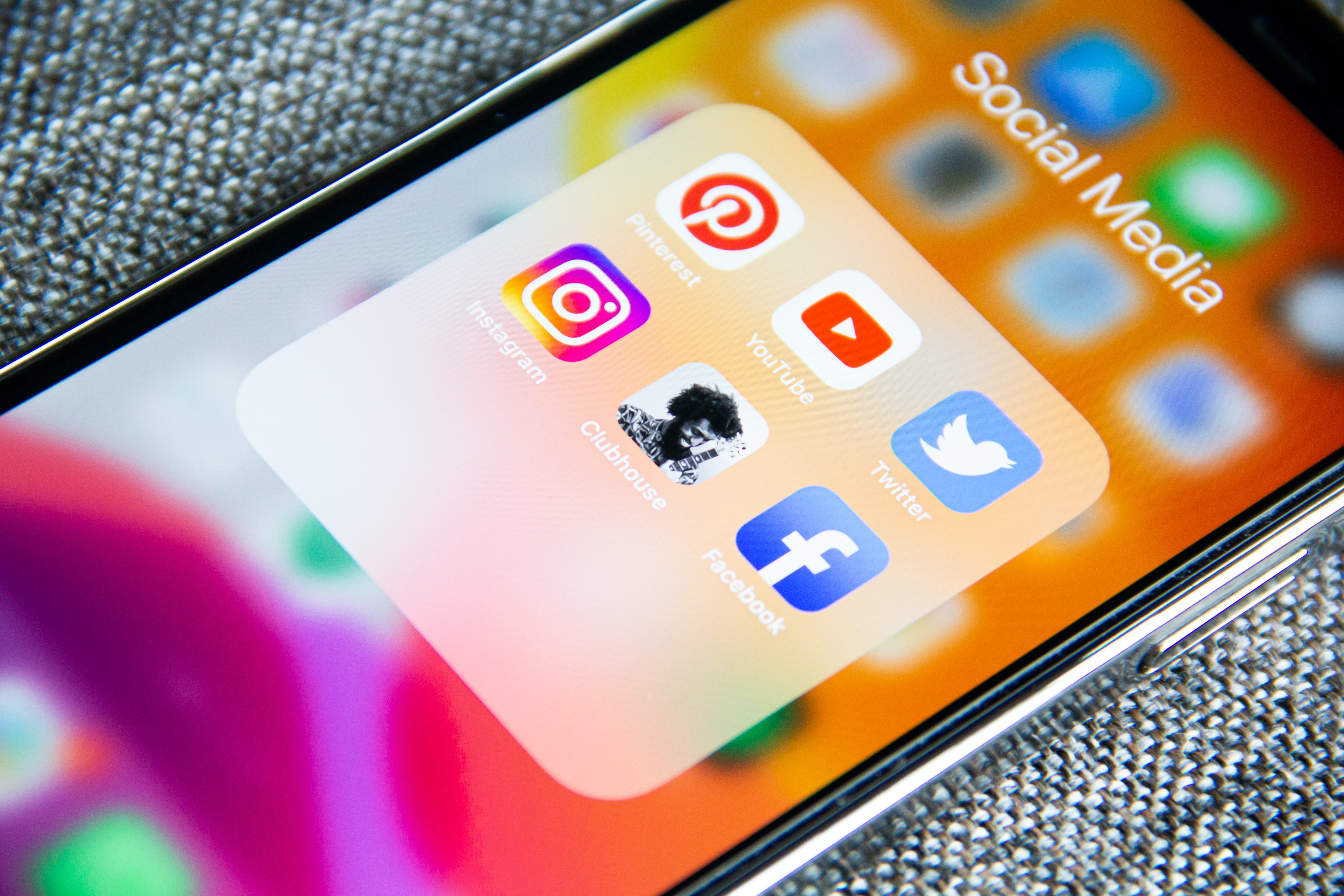
Social media advertising software: Specific ad placements on social media like Facebook, Instagram, Tiktok, LinkedIn, etc., are examples of social media advertising. With this software, one could manage the ad's purchase and placement to reach the correct audience.
| TIP: When searching for a digital advertising product, it’s important to consider the needs of the audience and demographic trying to be reached. |
Social media advertising is a traffic leader
Based on G2 data from 2021, the Social Media Advertising category has a clear traffic lead over other digital advertising categories. This trend further asserts that the influence of pandemic media habits is a driver of digital advertising placements. Instead of going out into the world to experience traditional advertising methods, most businesses shifted to a digital strategy that made sense for most consumers. Social media screen time takes a little over two hours a day for the average consumer.
Below is the category traffic to our top four digital advertising categories for 2021. Clearly, Social Media Advertising is outranking Native, Mobile, and Display.

So will traditional methods become obsolete?
Ideally no, long commutes and traffic will become significantly more boring without the entertainment of physical advertisements. All jest aside, there is still room for traditional methods of advertising. The only reason digital is trending is due to the adaptation of the new normal.
Digital advertising will be a fixture for years to come with Insider Intelligence projecting that “the US digital ad market will surpass $300 billion by 2025, making up more than three-quarters of all media spending.” So while it won’t fully replace traditional methods, it has made an irreplaceable mark on the world of advertising.