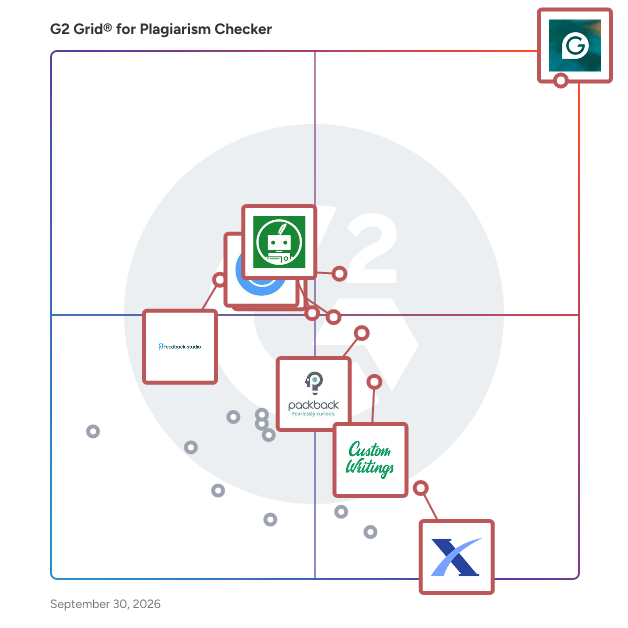
Plagiarism checker software evaluates submitted documents for plagiarism against existing content. The process involves crawling web content, comparing given text to an extensive online database, and identifying exact matches using keyword analysis. Some tools may even detect instances of non-exact matches and paraphrasing plagiarism. The results are displayed as plagiarism percentage, highlighted plagiarized text, and a list of sources.
Writers and content creators leverage plagiarism checkers to avoid accidentally plagiarizing in their work, while organizations use these tools to ensure documents sent to them are free of plagiarized content. Many plagiarism-checking tools are designed for academia and utilized by educators and administrators to examine written work submitted by current and prospective students. Private businesses and organizations also employ these solutions to check for plagiarism in content written by current and prospective employees.
Some common features of plagiarism checkers include advanced algorithms for similarity detection, support for multiple document formats (Word, PDF, and text files), utilization of a robust database, access to various online libraries, and a user-friendly interface with easy upload. The software comes in free and premium versions. How well it detects plagiarism depends on the algorithm and the size of the comparison database.
Plagiarism checker solutions are often built into other proofreading tools so writers can monitor their work for plagiarism while avoiding grammar and spelling errors. Some AI writing assistants will include plagiarism-checking functionality in addition to other features.
To qualify for inclusion in the Plagiarism Checker category, a product must:
- Allow users to upload text-based documents and/or monitor input text in real time
- Highlight plagiarized content within a written body of work
- Refer to one or more content repositories when searching for plagiarism