Log Analysis Software Resources
Articles, Glossary Terms, Discussions, and Reports to expand your knowledge on Log Analysis Software
Resource pages are designed to give you a cross-section of information we have on specific categories. You'll find articles from our experts, feature definitions, discussions from users like you, and reports from industry data.
Log Analysis Software Articles
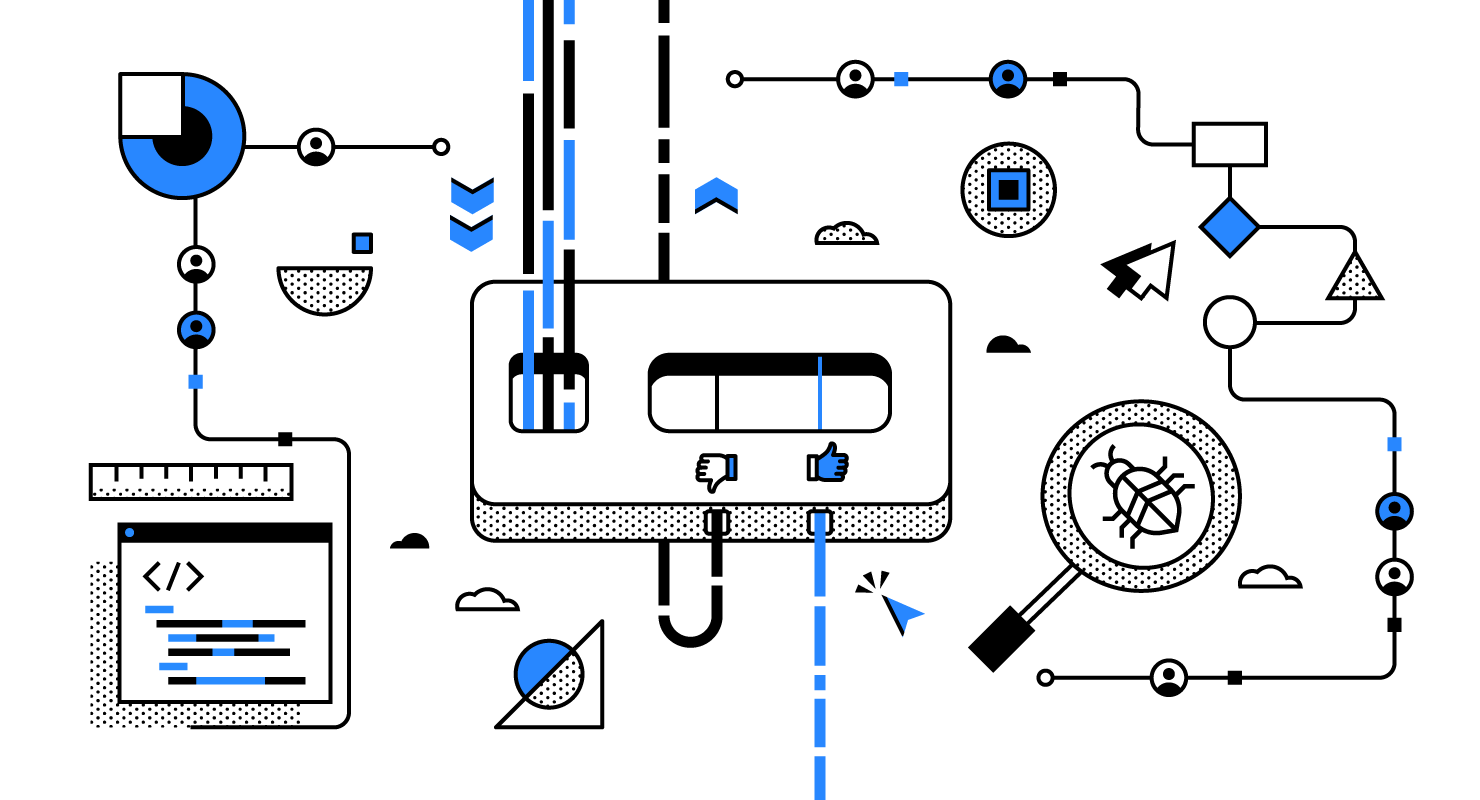
2023 Trends in DevSecOps Software
Log Analysis Software Glossary Terms
Log Analysis Software Discussions
Looking at data from the Log Analysis category, several platforms stand out for compliance reporting—the ability to generate audit-ready reports, track user/activity logs, support retention policies, and simplify regulatory workflows (SOC 2, PCI DSS, HIPAA, ISO, etc.). These solutions focus on making logs searchable, reportable, and defensible for audits and governance. Here’s my list of top options:
ManageEngine Log360 – Strong for compliance-focused log management with built-in audit reporting, security monitoring, and governance workflows. A solid choice when reporting and audit readiness are top priorities.
Sumo Logic – Known for centralized log analytics with strong dashboards and reporting across cloud environments. A good fit when compliance reporting needs to scale across many systems and teams.
Dynatrace – Useful for enterprises that want compliance visibility tied to full-stack observability. Strong when teams need audit trails and reporting that connect log activity to system performance and service health.
Oracle Cloud Infrastructure Logging – Best for OCI-based enterprises that want compliant logging, retention, and reporting across Oracle cloud services, with governance aligned to their cloud environment.
Datadog – A strong option when compliance reporting needs to integrate with broader monitoring and security workflows. Useful for teams that want unified reporting across logs, metrics, traces, and security signals.
These platforms are designed to reduce audit effort, improve retention governance, and provide consistent reporting for compliance teams—especially when logs must be defensible across multiple environments and systems.
I’m curious to hear whether teams here have found compliance-focused log platforms like these cost-effective, or if you’re still relying on manual reporting and native cloud tools to handle audits and governance.
As enterprise teams scale across hybrid and cloud environments, one of the hardest challenges is multi-source log aggregation—collecting logs consistently from cloud services, containers, apps, network devices, and security tools without breaking search, alerting, or retention workflows. Log analysis platforms help centralize ingestion, normalize data, and provide a unified view across many log sources, based on the Log Analysis category on G2.
Solutions for Small and Mid-Sized BusinessesSite24x7 – Best for SMBs that want lightweight log aggregation tied to monitoring workflows. It’s a strong fit when you need centralized logs from common infrastructure and apps without heavy setup.
Sumo Logic – Best for SMBs that need scalable, cloud-native log aggregation with strong dashboards and alerting across multiple systems.
Platforms for Mid-Market CompaniesDatadog – Built for aggregating logs across cloud infrastructure, containers, and applications with strong correlation across metrics and traces. Great when you want multi-source aggregation plus observability workflows in one platform.
Logz.io – Strong for centralized aggregation across many log sources using an OpenSearch-based foundation. Ideal for teams that want flexible log search and analytics without managing the stack.
Enterprise-Grade / Advanced Multi-Source Aggregation PlatformsDynatrace – Best for enterprise environments that need multi-source aggregation plus automatic correlation across logs, metrics, and traces. Strong when scale and complexity require unified monitoring and root-cause workflows.
Oracle Cloud Infrastructure Logging – Best for enterprises operating heavily on OCI that want centralized logging across OCI services with built-in aggregation and monitoring integration.
These platforms scale in different ways—some prioritize unified observability across many sources (Datadog, Dynatrace), others focus on cloud-native log analytics (Sumo Logic, Logz.io), while tools like OCI Logging are strongest when aggregation must be tightly aligned with a specific cloud ecosystem.
As teams grow across hybrid and cloud setups, it seems many end up mixing tools to handle different log sources and scale needs. Curious what’s been hardest for you—ingestion consistency, normalization, cost control, or keeping search and retention usable at scale?