E-Commerce Platforms Resources - Page 17
Related Content, Glossary Terms, Discussions, and Reports to expand your knowledge on E-Commerce Platforms
Resource pages are designed to give you a cross-section of information we have on specific categories. You'll find related content from our experts, feature definitions, discussions from users like you, and reports from industry data.
Related Content
50+ Online Shopping Statistics 2027: How We Buy Now
Top 30 FAQ Page Examples and How to Build Yours
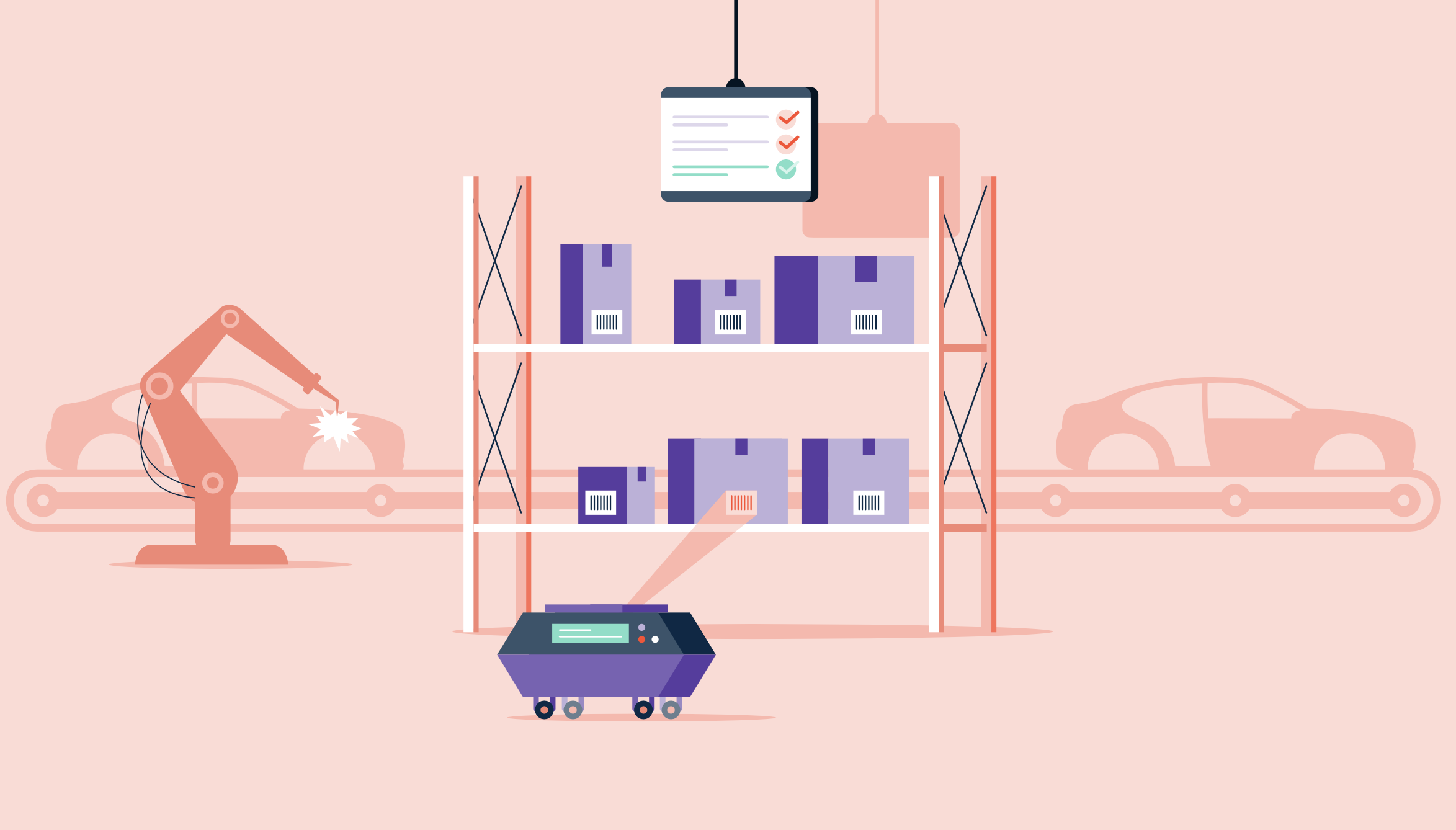
The Benefits and Types of Manufacturing Inventory Management
2023 Trends in the E-commerce Industry
14 E-commerce Trends in 2023: The Future of Online Shopping
Highlights From the G2 Fall 2022 E-Commerce Reports
A Better Future for Digital Storefronts with E-Commerce Personalization
What Is Social Commerce, and Why We Created a New Category for It
Introducing the Returns Management Category on G2
Hybrid Shopping Trends in 2022
Digital Wallet and Cashless Payment Trends in 2022
2021 Trends in E-Commerce and Industry 4.0
Why You Need an E-Commerce Strategy and How to Create One
COVID-19 Drives E-Commerce Growth for Brick and Mortar Retailers
What Is E-Commerce? How to Launch Your Dream Business Today
E-Commerce Platforms Glossary Terms
Related Discussions
I’m looking into enterprise e-commerce platforms that can support large-scale retail operations. The priorities here are flexibility, multi-store support, advanced merchandising, and global scalability. These solutions are often chosen by large brands in the G2's E-commerce Platforms category:
Adobe Commerce (formerly Magento Commerce)
Adobe Commerce offers advanced catalog management, custom pricing, and rich extension options through its marketplace. It supports headless deployments and omnichannel integration, making it well-suited for enterprise retailers managing complex catalogs and customer experiences across regions.
Shopify Plus is the enterprise-tier version of Shopify, designed for high-volume brands. It offers a dedicated launch team, customizable checkout, automation tools via Shopify Flow, and robust API access. Large DTC brands often select it for its fast time-to-market and global commerce capabilities.
BigCommerce Enterprise is built for scaling product catalogs, managing multiple storefronts, and integrating with ERP and PIM systems. It includes native support for B2B workflows, multi-currency pricing, and international SEO. The platform is popular with mid-market and enterprise brands seeking flexibility without heavy custom development.
Built on the Salesforce ecosystem, this solution offers personalized B2B experiences, complex account hierarchies, and quote-to-cash integration with other Salesforce products. It’s often selected by enterprise retailers with B2B operations and existing Salesforce infrastructure.
VTEX supports unified commerce across DTC, B2B, and marketplace models. Its native OMS, headless architecture, and low-code tools make it adaptable for enterprise teams. Brands use VTEX to support omnichannel fulfillment and launch regional storefronts without managing separate platforms.
commercetools is a cloud-native, API-first platform based on MACH principles (Microservices, API-first, Cloud-native, Headless). It’s ideal for retailers building custom commerce experiences across channels. Teams with strong development resources use it for highly tailored, scalable digital commerce solutions.
If you’ve worked with these platforms in a large retail context, I’d like to hear how they performed in terms of scalability, technical overhead, and support for regional or B2B expansion.
I’d be interested in how Adobe Commerce compares to commercetools or VTEX when it comes to building custom workflows across international storefronts. For anyone still evaluating, here’s the full list of enterprise e-commerce platforms on G2: https://www.g2.com/categories/e-commerce-platforms/enterprise
Hi all,
Starting a discussion to explore which e-commerce platforms work best for tech startups, especially those looking to get a store up and running quickly while keeping dev time and costs manageable. From MVPs to scaling storefronts, tech teams often need flexibility, API access, and reliable integrations.
Below are some of the top-ranked tools from the G2's E-commerce Platforms category:
Early-stage startups often choose Shopify for its quick launch process and extensive app ecosystem. It supports custom domains, checkout flows, and POS if needed. With themes and APIs available, developer teams can iterate on storefront UX while non-technical teams manage product updates and campaigns.
BigCommerce appeals to startups that want more built-in functionality out of the box. It includes native support for headless commerce, robust SEO tools, and multi-storefront management—features useful for startups with global or multi-brand ambitions. The platform also supports custom integrations via GraphQL and REST APIs.
Wix provides an all-in-one platform that’s approachable for startups without a dedicated dev team. With drag-and-drop design, basic store management, and integrated payments, it’s ideal for testing concepts or launching with a simple catalog. The Wix Velo dev platform allows for limited customizations if needed.
Square Online (formerly Weebly)
Square Online works best for startups that also sell offline or at events. It syncs with Square’s POS system and offers free plans to start. While it’s more limited in customization than others on this list, it’s a good fit for product-driven businesses that prioritize simplicity and in-person sales.
WooCommerce is ideal for WordPress-based startups that want full control over their stack. It’s open-source, developer-friendly, and integrates with hundreds of extensions. For teams with hosting in place and coding resources, it’s a flexible and cost-efficient option that scales with your needs.
If you’ve launched or migrated your startup store using one of these tools, what helped you choose? What challenges came up along the way?
For teams building multiple storefronts or client sites, are any of these platforms easier to deploy repeatedly without requiring a lot of custom setup each time?
We have adapted with each and ever feature/functionality of Wix, and we wonder how varied its use case might me with other businesses. Do let me know, what are some of the varied or unique use case you have had with Wix.