Advanced FiltersClear Filter
Star Rating
Categories
Workflow Automation

Workflow Automation

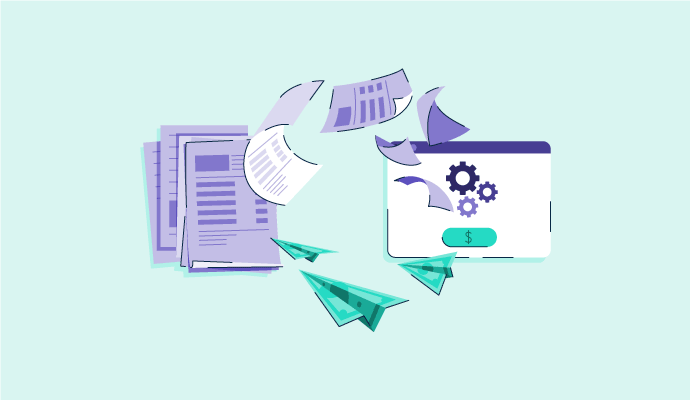
What is workflow automation? Workflow automation designs and executes a series of repetitive business tasks based on business rules to reduce human interactions and increase productivity. Workflow is a series of tasks that has to be accomplished to achieve a business objective. Most businesses’ daily operations depend on repetitive tasks such as sending email verification, completing forms, and so on. When doing something repetitive, human errors may occur, for instance, the employee might email the wrong recipient with a similar name or forget to include the completed document. Human error is an inevitable problem for most business processes so companies use workflow management software and automation software to simplify the human interaction of a process. Workflow automation is performed using robotic process automation (RPA) software and is also referred to as RPA. 

by Tian Lin
Email Automation

Email Automation

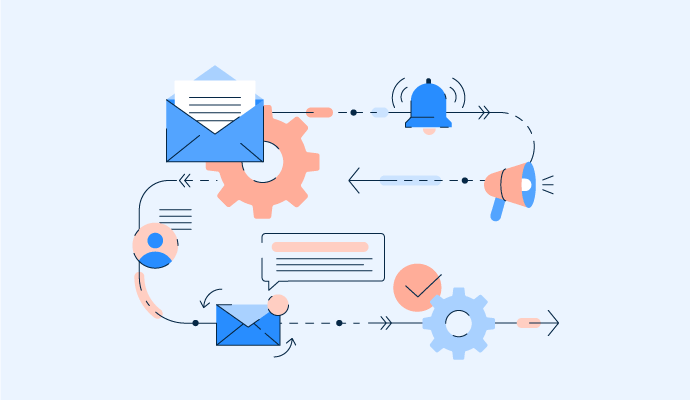
What is email automation? Email automation is the use of email messages to drive sales and engagements and expand the reach of a business. This practice is typically used with email marketing software and in marketing automation software. Examples of email automation include a welcome message for a new customer, a reminder that they left something in their cart, or recommendations for similar products to purchase. Essentially, email automation is the practice of implementing a process for repetitive tasks to free up valuable time. 
by Victoria Blackwell
Key Components of Accounting Automation

Key Components of Accounting Automation

No matter how dry or stale people think accounting and finance is, these functions are vital to the health of any company. Felipe Torres, a financial analyst at G2, further explains that finance and accounting functions “...help us prepare for the future and drive strategies that ensure we're maximizing our potential.”
by Nathan Calabrese
The Pros and Cons of Different Automation Types

The Pros and Cons of Different Automation Types

The concept of automation is straightforward: create tools that perform tasks with minimal human involvement. And the motivation for more automation is simple: Companies can do more with less. “More” means companies can sell and deliver a higher volume of products and services than ever before. “Less” refers to the fact that, thanks to automation, fewer resources are required.
by Gabriel Gheorghiu
The Importance of Accounts Payable (AP) Automation

The Importance of Accounts Payable (AP) Automation

The phrase “time is money” has never been more true than it is now. 
by Nathan Calabrese
Investing in Automation in the Data Privacy Software Market

Investing in Automation in the Data Privacy Software Market

One of the hottest topics in data privacy management in 2020 is automation—specifically, automated data discovery and classification.
by Merry Marwig, CIPP/US
How to Use Email Automation to Simplify Business Processes

How to Use Email Automation to Simplify Business Processes

Email marketing may be one of the oldest forms of digital marketing out there. However, it’s still incredibly effective in promoting a business to prospective customers and reinforcing relationships with existing ones. But creating effective emails can take up valuable time from the already challenging task of crafting messaging for various platforms. 
by Holly Landis
50+ Warehouse Automation Statistics to Streamline Operations

50+ Warehouse Automation Statistics to Streamline Operations

In the data-driven world, automation is not limited to automating manual tasks. 
by Sujith Nair
What Is Network Automation? The Key to Scaling Businesses

What Is Network Automation? The Key to Scaling Businesses

Networks are the backbone of an enterprise. 
by Keerthi Rangan
How Network Orchestration Is Scaling Automation for Success

How Network Orchestration Is Scaling Automation for Success

Networks aren't new to us.
by Keerthi Rangan