


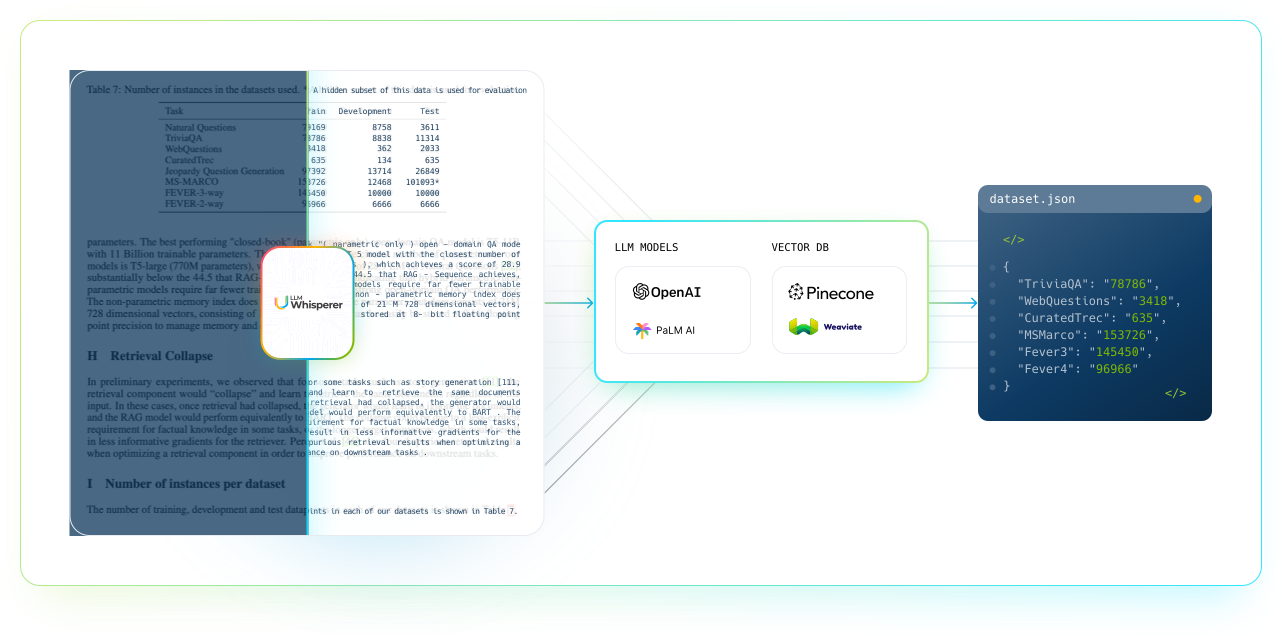
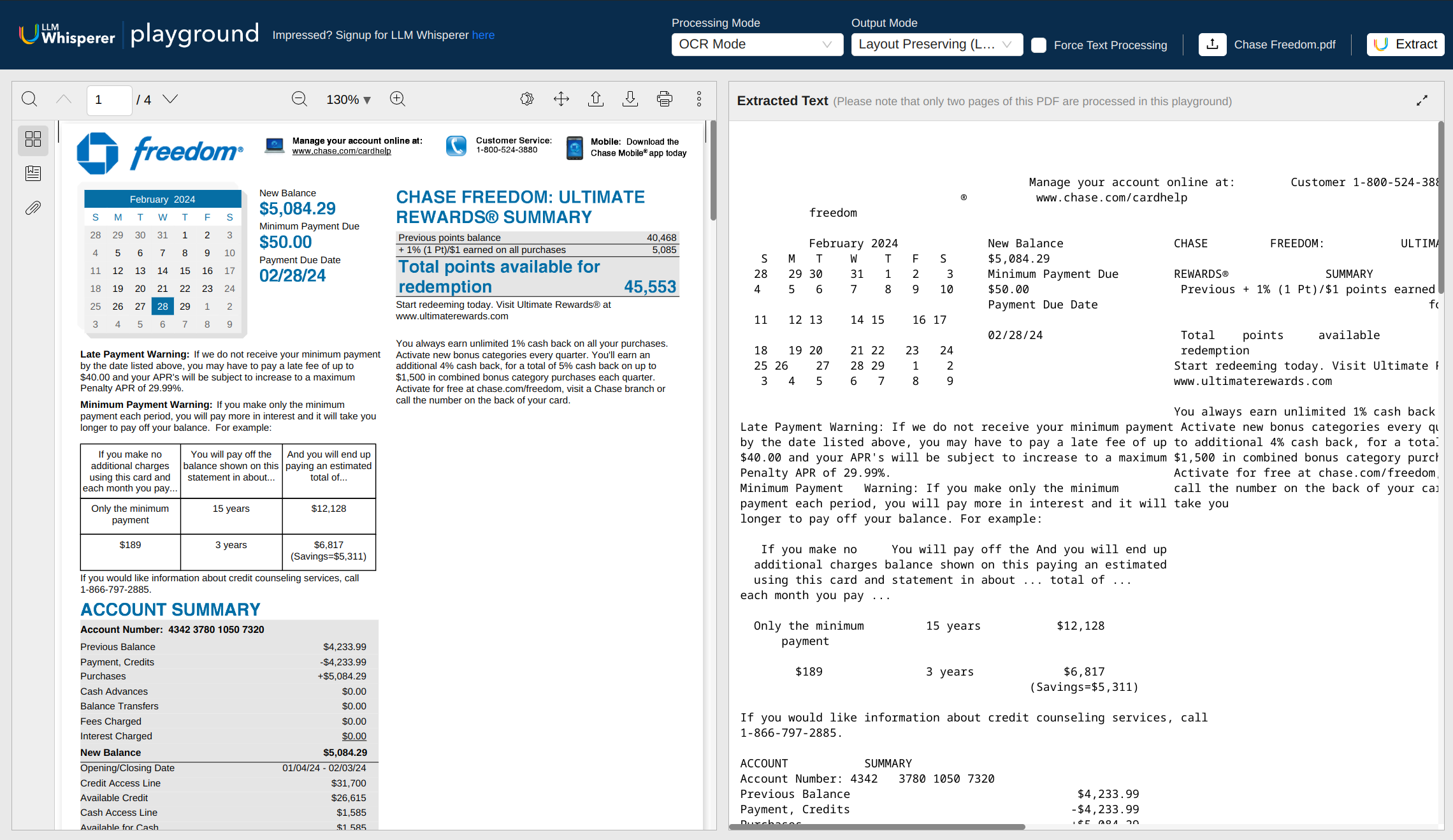


What I liked most was how well it handled messy, real-world PDFs without needing a lot of cleanup beforehand. Things like mixed layouts, tables, and form elements (checkboxes, radio buttons) were picked up surprisingly well compared to what I’ve seen with other tools / python libraries.
The structure it returns is also pretty useful - headings, body text, and tables are clearly separated, which makes it much easier to work with downstream
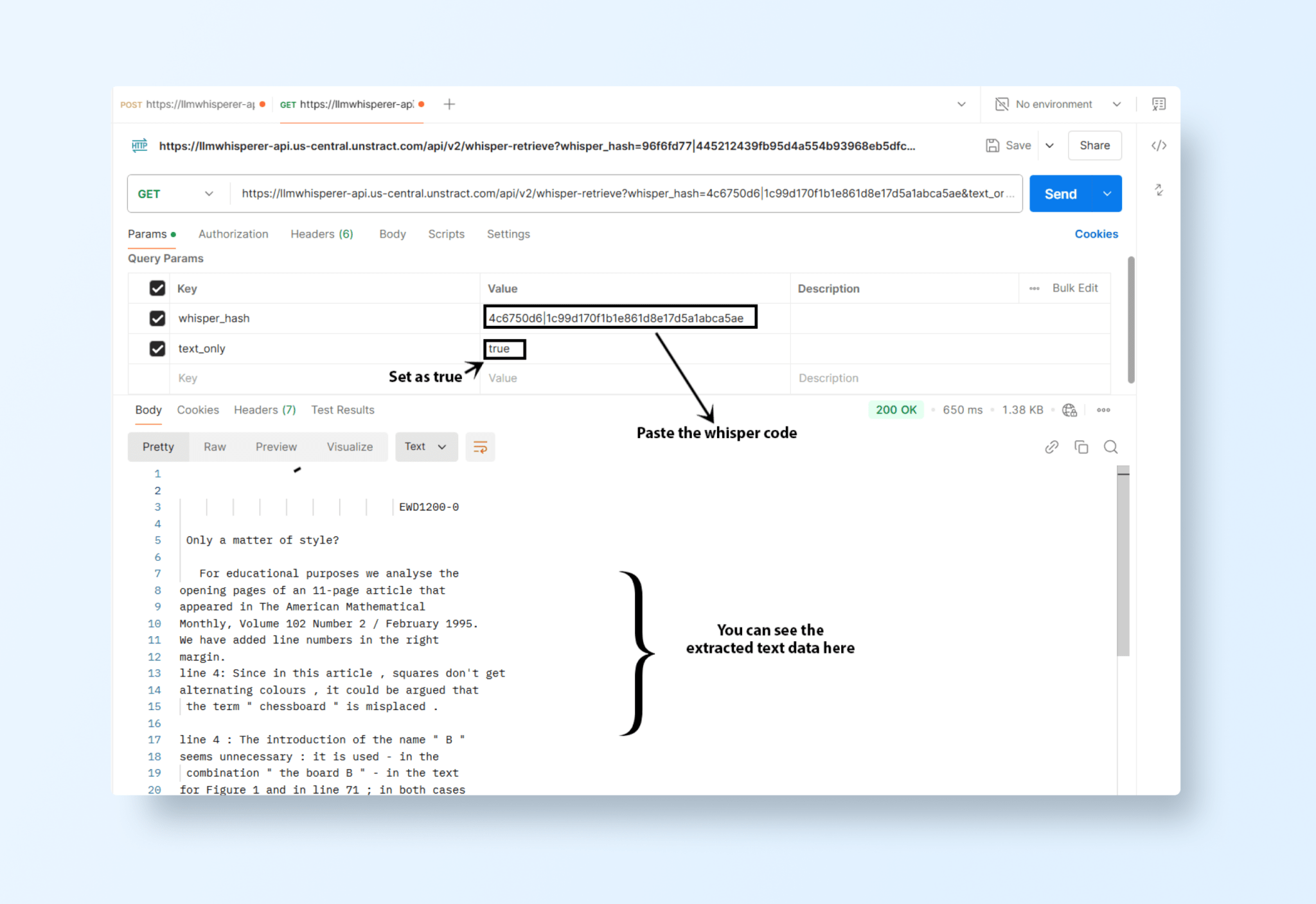
From an implementation point of view, it was fairly straightforward to get started. The playground made it easy to experiment quickly, and moving to the API didn’t require a lot of rework. Integration was smoother than expected, especially since the outputs were consistent enough between testing and actual use. Review collected by and hosted on G2.com.
One thing that stood out is that it’s not always fully consistent (like 5-8% of the cases), especially with more complex or cluttered PDFs. For example, tables sometimes lose alignment or come out slightly fragmented, and in a few cases headings weren’t clearly distinguished from regular text. Review collected by and hosted on G2.com.