Relational Databases Resources
Articles, Glossary Terms, Discussions, and Reports to expand your knowledge on Relational Databases
Resource pages are designed to give you a cross-section of information we have on specific categories. You'll find articles from our experts, feature definitions, discussions from users like you, and reports from industry data.
Relational Databases Articles
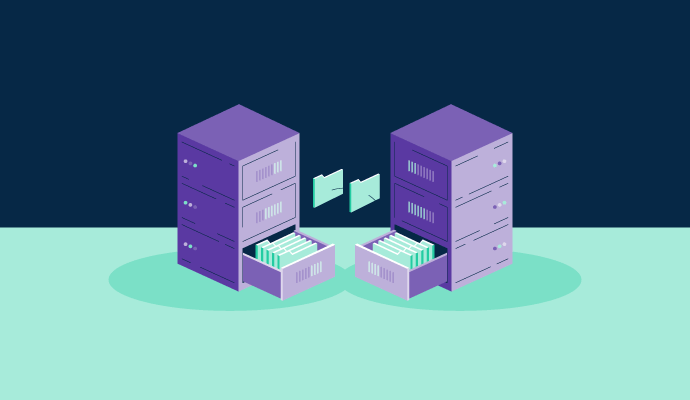
What is Database Replication? Everything You Need To Know
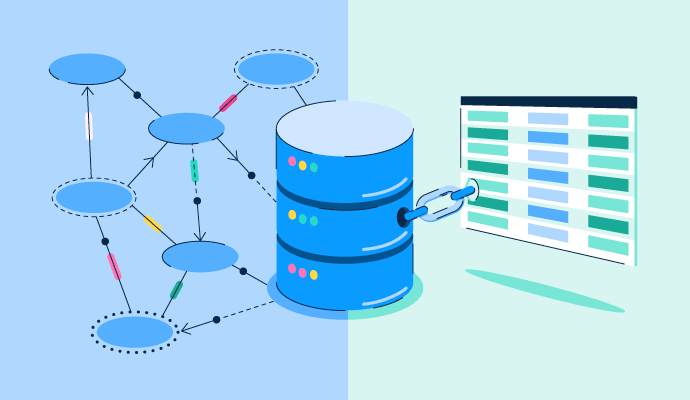
Graph Database Vs. Relational Database: Which One Wins?

What Is an Entity-Relationship Diagram? A Complete Guide
What Is Database Normalization? Types and Examples
Mastering CRUD: Create, Read, Update, and Delete Data Effectively
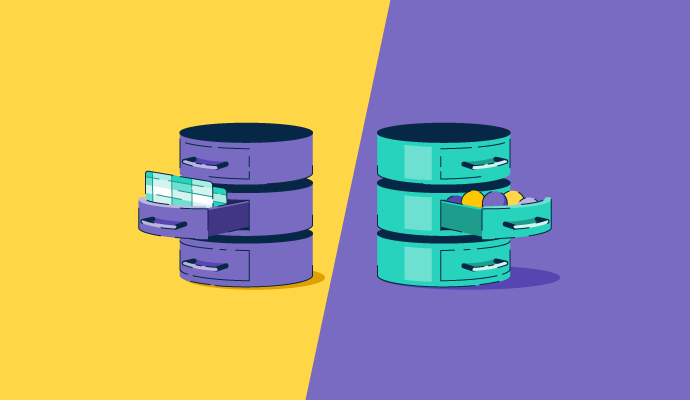
SQL vs. NoSQL: What Are the Key Differences?
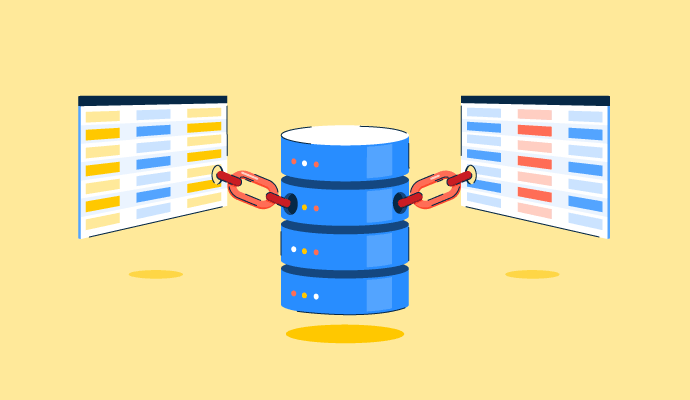
What Is a Relational Database? How Does RDBMS Organize Data
What Makes DBaaS the Next Big “As a Service” Offering?
Relational Databases Glossary Terms
Relational Databases Discussions
New businesses often need relational database software that is dependable, easy to manage, and scalable as operations grow. Reliability is key, especially when internal resources for database administration may be limited.
In the relational databases category on G2, these five platforms are frequently highlighted:
- Amazon RDS: Managed by AWS and supports several engines including MySQL, PostgreSQL, and SQL Server. Handles routine maintenance and backup tasks automatically.
- Amazon Aurora: Optimized for high performance and built to scale with demand. Offers MySQL and PostgreSQL compatibility with fault-tolerant architecture.
- Microsoft SQL Server: A widely adopted choice with strong transactional processing, data integrity, and built-in security tools.
- Google Cloud SQL: Fully managed service for MySQL and PostgreSQL on Google Cloud. Easy to set up and integrates well with Google’s cloud ecosystem.
- Oracle Database: Longstanding reputation for stability and security. Used by organizations with high data and compliance needs, including those starting with Oracle’s cloud offerings.
Which of these platforms have other businesses found most dependable when starting out? Are there reliability concerns or onboarding challenges to watch for?
Insights from early-stage teams would be helpful.
I’ve heard Amazon RDS and Amazon Aurora are reliable choices for new businesses looking for relational database software. Has anyone found one to be more beginner-friendly or easier to scale? You can explore more relational database options here: https://www.g2.com/categories/relational-databases.
App developers need relational database services that can support fast queries, seamless scaling, and easy integration with modern frameworks. Whether the focus is on mobile apps, web platforms, or SaaS products, the right database can make a major difference in performance and reliability.
According to the relational databases category on G2, these services are among the most frequently used:
- Amazon RDS: A fully managed service supporting engines like MySQL, PostgreSQL, and SQL Server. Offers built-in monitoring, backups, and multi-AZ deployments.
- Amazon Aurora: A cloud-native database designed for speed and scalability. Compatible with MySQL and PostgreSQL and includes features like serverless instances and automatic replication.
- Microsoft SQL Server: Offers strong data consistency, business intelligence, and integration tools. Often used in enterprise environments or apps built on Microsoft stacks.
- Google Cloud SQL: A managed database service on GCP that supports MySQL and PostgreSQL. Easy to deploy and works well with Google Cloud infrastructure including Firebase and App Engine.
- Oracle Database: Built for high performance and complex data needs. Frequently used in industries where data integrity and security are critical.
Which of these tools have app developers found the most efficient and scalable in real-world projects? Are there specific strengths or limitations to be aware of depending on the tech stack?
Open to hearing from teams who have used any of these in production.
I’ve seen Amazon RDS mentioned a lot for relational database services, especially among app developers. You can check out all the top product options on the relational databases category page.
Software companies rely on relational databases to power everything from product features to internal systems. Choosing the right solution can impact performance, scalability, and overall development velocity.
According to the relational databases category on G2, the following platforms are among the most widely used. How do they compare in practice for software teams?
- Amazon RDS: Managed database service compatible with MySQL, PostgreSQL, and SQL Server. Often favored by teams building on AWS due to ease of integration and maintenance.
- Amazon Aurora: Cloud-optimized and designed for high throughput and availability. A strong fit for backend systems requiring fast read/write speeds.
- Microsoft SQL Server: A proven option with robust support for transactional processing, reporting, and enterprise-scale deployments.
- Google Cloud SQL: Managed MySQL and PostgreSQL service on GCP. Common among teams using Firebase, BigQuery, or Kubernetes on Google Cloud.
- Oracle Database: Known for its reliability, security, and ability to handle large workloads. Often used by companies in regulated or data-intensive industries.
Which of these platforms is best suited to the needs of a modern software company? Are there trade-offs to consider based on project size, team expertise, or cloud infrastructure?
Insights from teams using these tools day-to-day would be helpful.
I heard Amazon RDS is a solid choice for software companies needing a reliable database management system. How does it perform when it comes to scaling and day-to-day maintenance?