Cloud Security Software Resources
Articles, Glossary Terms, Discussions, and Reports to expand your knowledge on Cloud Security Software
Resource pages are designed to give you a cross-section of information we have on specific categories. You'll find articles from our experts, feature definitions, discussions from users like you, and reports from industry data.
Cloud Security Software Articles
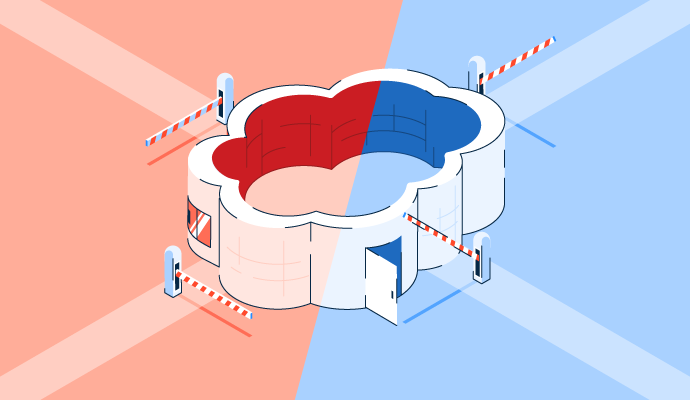
CASB vs. SSE: Which Cloud Security Solution is Right for You?
Cloud Storage Security: How to Keep Your Cloud Data Safe?
AWS re:Invent 2021 Roundup: A G2 Perspective
An Amazonian Challenge: The Year of Cloud Partnerships
Cloud Computing in Health Care
Analyzing API Security in the Multicloud World
Challenges of Multicloud Solution Management and Security
G2 on Cloud Security: Investigating the Risks of Cloud Computing
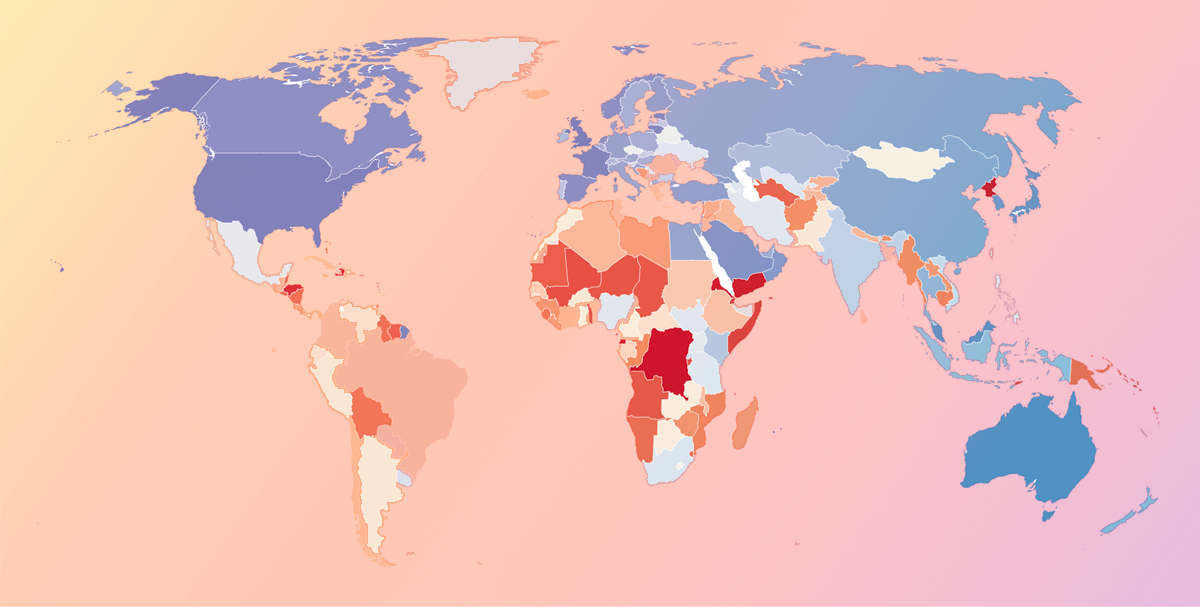
National Cybersecurity and Popular Products Across the World
Cloud Security Software Glossary Terms

Cloud Security Software Discussions
Cloud workloads generate endless telemetry — but extracting meaningful insights from it is another story. We’re evaluating tools that help visualize workload activity, detect anomalies, and optimize cloud performance and security.
We’re looking closely at:
- Wiz – provides workload-level visibility tied to security context.
- Sysdig Secure – deep runtime analytics for containers and Kubernetes workloads.
- SentinelOne Singularity Cloud Security – uses AI for workload threat correlation and performance insight.
- CrowdStrike Falcon Cloud Security – tracks workload behavior across hybrid and multi-cloud setups.
Which tools would you recommend? Are there any pros and cons you would like to highlight?
If you’re analyzing workload activity today, what metrics are you watching most closely — CPU/memory, identity behavior, or anomaly frequency?
Manual reporting is still one of the biggest time sinks in cloud security. We’re looking for platforms that automate report generation for compliance, risk posture, and incident response.
Exploring these right now:
- Wiz – auto-generates posture and compliance reports for execs and auditors.
- Coro Cybersecurity – produces scheduled reports on threats, vulnerabilities, and response actions.
- Microsoft Defender for Cloud – provides customizable report templates for governance.
- Lacework FortiCNAPP – offers automated, visualized reporting on cloud risk and compliance status.
Which of these tools would you recommend for my use case? Are there any pros and cons you would like to highlight?
If you’ve automated your reporting, what’s been most useful — scheduled exports, dashboard snapshots, or API-based integrations with BI tools?
Logs, alerts, and telemetry data — they’re only useful if you can actually make sense of them. We’re exploring analytics tools that can contextualize security events, highlight patterns, and help prioritize incidents faster.
Some of our frontrunners:
- Coralogix – strong in log analytics and anomaly detection.
- Wiz – correlates event data with vulnerability and exposure insights.
- Sysdig Secure – pairs runtime visibility with detailed event forensics.
- SentinelOne Singularity Cloud Security – AI-driven threat correlation across workloads.
How are you currently analyzing and triaging security events?
Are you using native dashboards or exporting to a SIEM like Splunk or Sentinel?