Cloud Directory Services Resources
Articles, Discussions, and Reports to expand your knowledge on Cloud Directory Services
Resource pages are designed to give you a cross-section of information we have on specific categories. You'll find articles from our experts, discussions from users like you, and reports from industry data.
Cloud Directory Services Articles
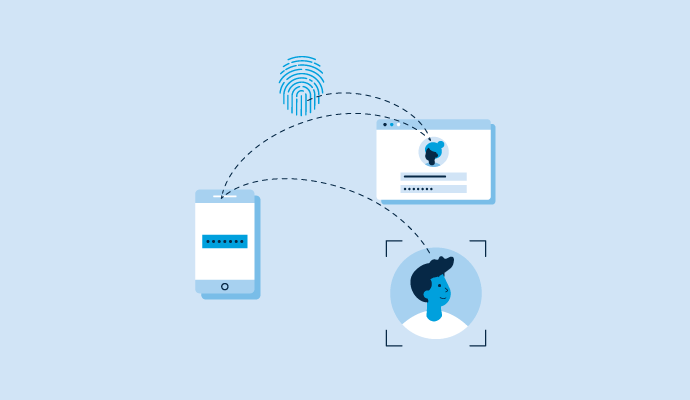
What Is Cloud Identity Management and Why It Is Important

Cloud Directory Services Discussions
Is JumpCloud secure?
Compliance is a major concern when it comes to managing devices and user data, especially for organizations in regulated industries. JumpCloud MDM often highlights its alignment with several industry standards, but the details can be important for audits and vendor reviews.
Some of the common frameworks and certifications people ask about include ISO 27001, SOC 2, HIPAA, GDPR, and FedRAMP.
Key features to look for around compliance usually include:
- Clear documentation of certifications held, along with audit reports or attestations
- Support for compliance requirements in policy management and reporting
- Regular updates to stay aligned with new or changing standards
- How transparent and up-to-date is JumpCloud when it comes to listing its compliance certifications? Any tips on where to find the most current details or what to watch for during audits?
It also helps when the platform can provide recent audit reports or letters of attestation right away.
Privacy by design and protective security measures are critical elements of GDPR compliance. JumpCloud safeguards Personal Data in many ways, including but not limited to encrypting all data at rest and in transit, training employees in security awareness, performing appropriate background checks, maintaining access controls, active software monitoring of JumpCloud user logins and privileged commands, and log monitoring. In addition, JumpCloud’s ongoing security processes include penetration testing, vulnerability scanning, patching, and other activities. Further details on JumpCloud’s robust security activities are available in their online documents. They've achieved SOC 2 Type II attestation and ISO 27001.
Keeping up with SaaS licenses can get complicated, especially with different models like per-user, per-feature, or tiered plans. Platforms like JumpCloud say they can help track who has which license and what level of access, but how does that work in real life?
It’s also important to know how closely actual app usage lines up with what’s been purchased. Monitoring usage not only helps spot underused licenses but can also highlight if extra features or seats are really needed.
Some things people look for in a good license management tool:
- Clear breakdown of licenses by user, team, or feature set
- Support for tracking different license types (per-user, tiered, etc.)
- Reports that show who’s actively using each SaaS app, compared to what’s been bought
- What’s been the experience with JumpCloud (or similar tools) when it comes to keeping licensing accurate and in sync with actual usage?
It’s easy to lose track of who actually needs a license, so having clear reports helps cut down on wasted seats!
JumpCloud provides organizations with a clear, centralized view of SaaS license usage. By correlating user identity with account and activity data from connected applications, JumpCloud helps IT teams detect underutilized, overlapping, or unauthorized tools and identify which users are actively engaging with licensed applications. While license models and tiers vary by vendor, JumpCloud brings usage trends, license counts, and renewal dates into a single inventory, making it easier to spot redundancies, optimize spend, and ensure the organization is only paying for tools it truly uses. These insights empower smarter decisions around renewals, tier consolidation, and budget planning.