Advanced FiltersClear Filter
Star Rating
Categories
Risk Management: How to Minimize Risk and Secure Success

Risk Management: How to Minimize Risk and Secure Success

The business world is full of uncertainty, hazards, and surprising turns.
by Keerthi Rangan
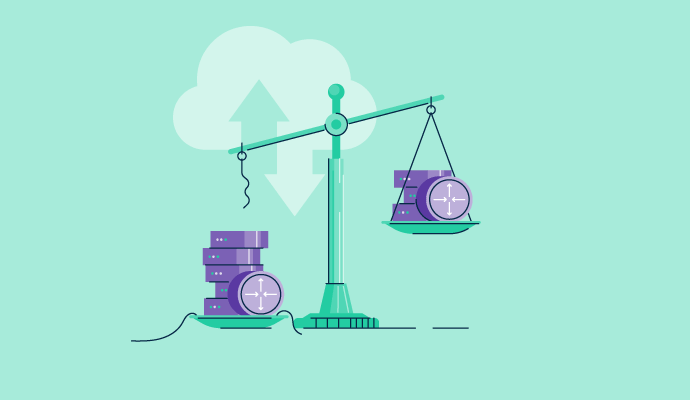
What Is a Load Balancer? It's Important for App Performance

What Is a Load Balancer? It's Important for App Performance

Having an app crash in the middle of shopping is frustrating.
by Sudipto Paul
What Is Corporate Governance? (+Why It's Vital to Your Business)

What Is Corporate Governance? (+Why It's Vital to Your Business)

Businesses have their own internal governance system – and I’m going to explain how it works.
by Lauren Pope
What Is Legal Tech? (+ How It's Changing the Legal Industry)

What Is Legal Tech? (+ How It's Changing the Legal Industry)

The legal industry is famously slow to adopt new technology, so its digital transformation has therefore been slow to coalesce.
by Patrick Szakiel
The Mobile Operating Systems That Matter Right Now (+Effects on Development)

The Mobile Operating Systems That Matter Right Now (+Effects on Development)

The market share for mobile operating systems is dominated by Android and iOS.
by Bridget Poetker
What Is Cost of Debt? (+How To Calculate It)

What Is Cost of Debt? (+How To Calculate It)

Spontaneity makes life fun and interesting, but when it comes to finance, whims aren’t so great.
by Maddie Rehayem
How to Choose the Right mPOS System for Your Business

How to Choose the Right mPOS System for Your Business

Phones are crucial for business.
by Lauren Fram
Audit Trail

Audit Trail

What is an audit trail? An audit trail is a line-by-line record of trade details, accounting, and other financial information that can be traced to its specific source. Audit trails are often used to verify and track various transactions for organizations. These transactions could include purchases, sales, revenue, net earnings, and expenses. Documents within an audit trail include business invoices, written estimates, purchase orders, and any emails with transaction details.
by Mara Calvello
User Segmentation

User Segmentation

What is user segmentation? User segmentation is the practice of dividing users into distinct groups based on shared characteristics such as location, user persona, or product type. This approach is commonly employed in digital analytics and product analytics software, enabling product teams and marketers to gain a deeper understanding of their user base.In application, user segmentation allows teams to tailor their strategies to different user groups, facilitating more effective marketing and product development. By identifying the unique attributes of successful or unsuccessful user cohorts, businesses can pinpoint areas for improvement, enhance user engagement, and potentially increase sales. For example, segmentation can differentiate users based on their interaction with a product, such as those who convert (download or use a product) versus those who churn (cease using the product). Tracking these distinct journeys helps product teams understand varied user experiences and tailor their offerings to meet specific business objectives.The value of user segmentation lies in its ability to provide targeted insights into different segments of the user base, enabling businesses to make informed decisions and optimize user experiences.

by Victoria Blackwell
User Role and Access Management

User Role and Access Management

What is user role and access management? User role and access management—sometimes also referred to as user permissioning--is a way for administrators to define what kind of access to resources such as files, applications, and systems a user has. Companies grant access to users by group or role type instead of on an individual basis to save administrative time in user provisioning and deprovisioning; to define and monitor access to company assets at scale; to limit user access to company assets to the minimum amount required to complete their job; and to meet regulatory security and privacy compliance requirements.
by Merry Marwig, CIPP/US