Advanced FiltersClear Filter
Star Rating
Categories
The G2 on the Digital Transformation of Brand Perception

The G2 on the Digital Transformation of Brand Perception

Think about the last interaction you had with a brand. Maybe you saw a targeted ad on Instagram, opened an email from your favorite retailer, or read online reviews for the latest phone model.
by Stephanie Graham
How to Improve Brand Perception with Social Listening

How to Improve Brand Perception with Social Listening

For marketers, one of the greatest benefits of social media is the opportunity to interact with customers. A successful social media strategy includes both telling customers about a brand and leveraging social listening to truly connect with customers.
by Stephanie Graham
85 HR Statistics You Need to Know in 2024

85 HR Statistics You Need to Know in 2024

The world of human resources is constantly changing. Employees now wield more power than ever, thanks to gig jobs and technological advancements that allow for remote work. There is a persistent desire to strike a balance between work and life.
by Courtney Moran
HR Trends: 5 Major Human Resource Innovations in 2019

HR Trends: 5 Major Human Resource Innovations in 2019

Last year G2 Crowd introduced predictions for 2018’s major digital trends, but this year the focus is on trends in specific industries and how digital transformation will affect them in 2019. 
by Courtney Moran
Virtual Private Server (VPS) Hosting

Virtual Private Server (VPS) Hosting

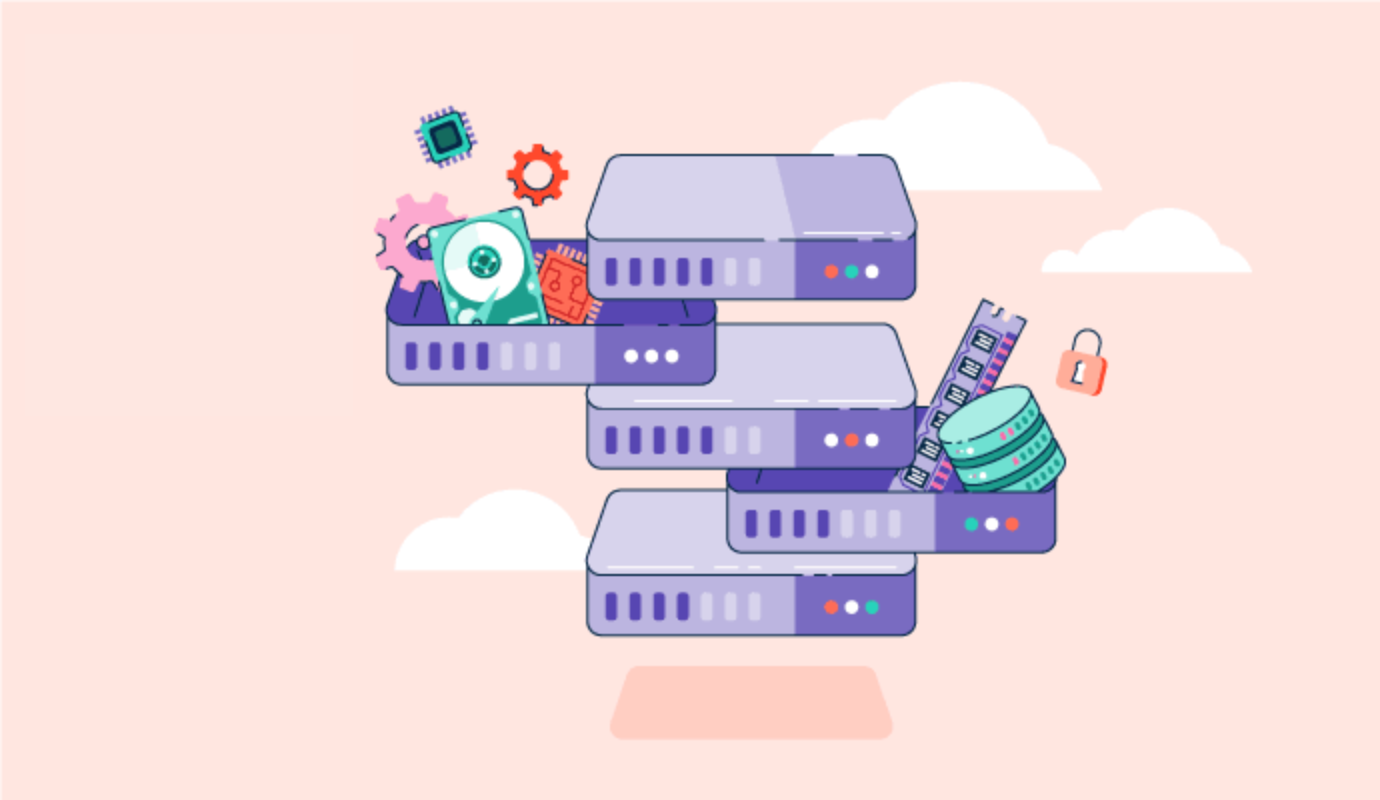
What is virtual private server (VPS) hosting? Virtual private server (VPS) hosting is a type of multi-tenant web hosting in which virtualized server resources are made accessible over the internet to an end user via a cloud or hosting provider. VPS hosting emulates the performance of a dedicated server even though the user is still sharing the physical server with other users. Each VPS managed by the hosting provider is installed on a physical machine that runs multiple VPSs. A VPS hosting provider banks on virtualization software, called a hypervisor and underlying hardware to provide customers with rights to access a virtualized server, called a virtual machine (VM). Every VM runs its own operating system (OS) and has limited access to a part of the physical server's compute, memory, and storage resources. Customers have access to the VM's operating system, but not to the physical server.

by Anindita Sengupta
Saving Companies from IT Disruption with Server Monitoring

Saving Companies from IT Disruption with Server Monitoring

Every established company requires healthy servers to operate in today’s complex IT environment. Important IT assets such as applications, databases, and networks are all connected and hosted by servers. If servers fail, so do the connected IT assets. 
by Tian Lin
What Is SQL Server? Components, Editions and Use Cases

What Is SQL Server? Components, Editions and Use Cases

Keeping your database in good shape helps manage scaled systems and run operations without hiccups.
by Holly Landis
What Is a Load Balancer? It's Important for App Performance

What Is a Load Balancer? It's Important for App Performance

Having an app crash in the middle of shopping is frustrating.
by Sudipto Paul
5 Project Management Styles to Motivate Your Team Members

5 Project Management Styles to Motivate Your Team Members

Fashion is temporary, but style is forever.
by Grace Pinegar
The Good, Bad, and Ugly of Data Replication

The Good, Bad, and Ugly of Data Replication

Every second of the day, the world accesses, changes, and relies on data.
by Alexa Drake