Cosa ti piace di più di Backblaze B2 Cloud Storage?
Working with cloud storage solutions over the years, I have tested and deployed numerous platforms ranging from enterprise-grade options to more budget-conscious alternatives. Backblaze B2 Cloud Storage stands out remarkably in this crowded landscape, and my experience with it has been overwhelmingly positive across multiple projects and use cases.
The pricing model is genuinely transparent and predictable. Unlike many competitors that bury costs in complex tiered structures or unexpected egress fees, Backblaze B2 operates on a straightforward pricing approach. Storage costs remain consistent, and the egress pricing is significantly lower than what I have encountered with other major cloud providers. This predictability has made budgeting for large-scale storage projects considerably more manageable. I can accurately forecast monthly expenses without worrying about surprise charges appearing on invoices.
The S3-compatible API is a feature I cannot overstate the importance of. When I first migrated workloads to B2, I was concerned about compatibility with existing tools and workflows. The S3-compatible interface eliminated virtually all of those concerns. Applications that were originally designed for Amazon S3 work seamlessly with Backblaze B2, requiring only minor configuration changes such as updating endpoint URLs and authentication credentials. This compatibility extends to popular tools like rclone, Cyberduck, Duplicati, and countless other backup and synchronization utilities. The transition process was remarkably smooth, and I did not need to rewrite any scripts or modify application code in meaningful ways.
Data durability is exceptional. Backblaze implements an eleven nines (99.999999999%) durability guarantee, which means that for every billion objects stored, there is an expected loss of less than one object over a decade. This level of durability is achieved through intelligent data distribution across multiple drives and facilities. In my experience managing critical archives and backup repositories, I have never experienced data loss or corruption with B2. The peace of mind this provides when storing irreplaceable data is invaluable.
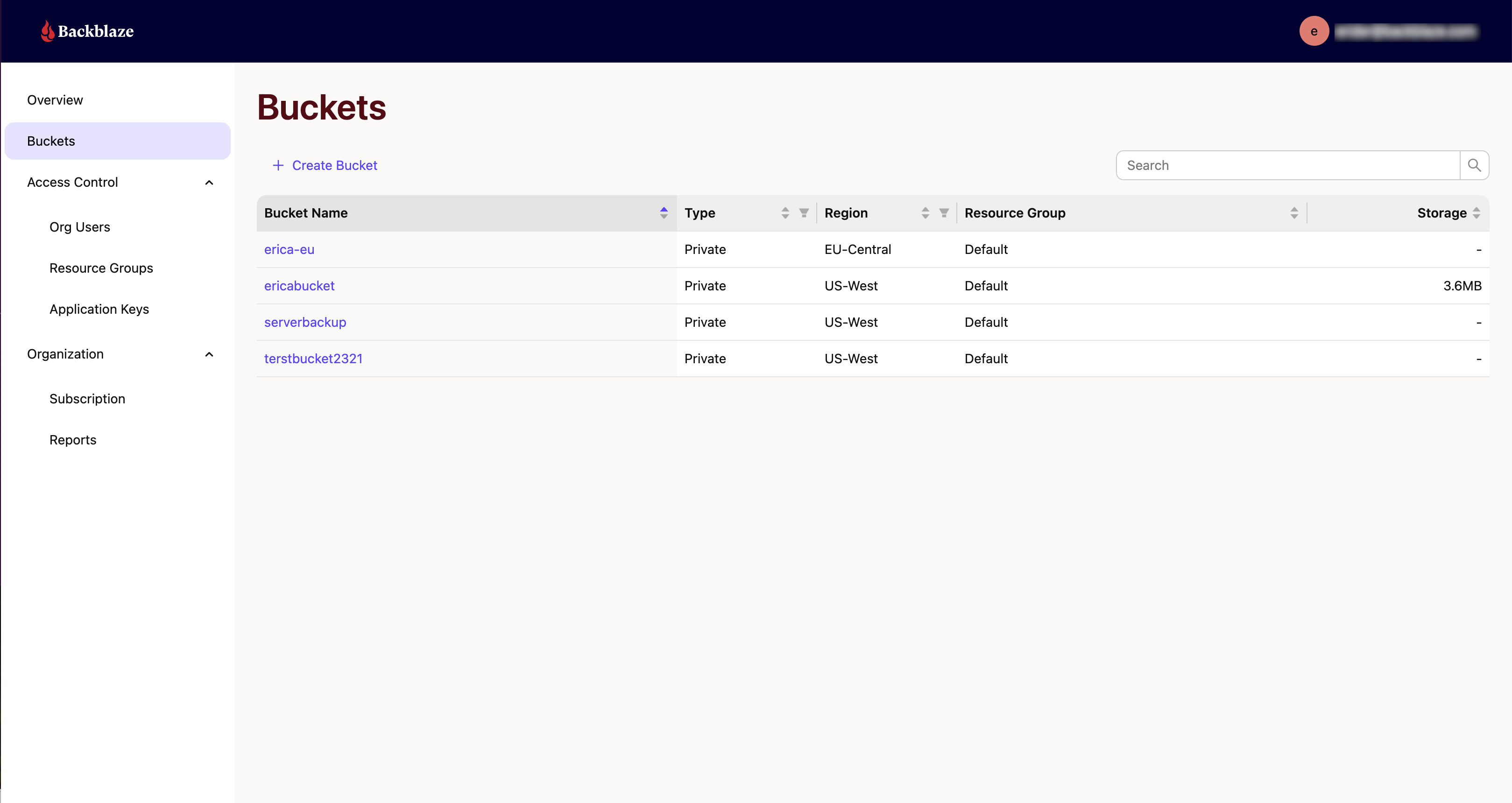
The web interface is clean, intuitive, and functional without unnecessary complexity. Creating buckets, managing lifecycle rules, configuring access permissions, and monitoring usage are all straightforward processes. The dashboard provides clear visibility into storage consumption, bandwidth usage, and transaction counts. I appreciate that the interface does not overwhelm with excessive options while still providing the controls necessary for effective management. Navigation is logical, and most tasks can be accomplished in just a few clicks.
Performance has consistently met or exceeded my expectations. Upload and download speeds are competitive, particularly when using multipart uploads for larger files. The platform handles concurrent connections well, and I have not experienced significant throttling even during intensive backup operations. The integration with content delivery networks through the native Cloudflare partnership further enhances performance for distribution scenarios. Files can be served directly to end users with minimal latency when CDN integration is enabled.
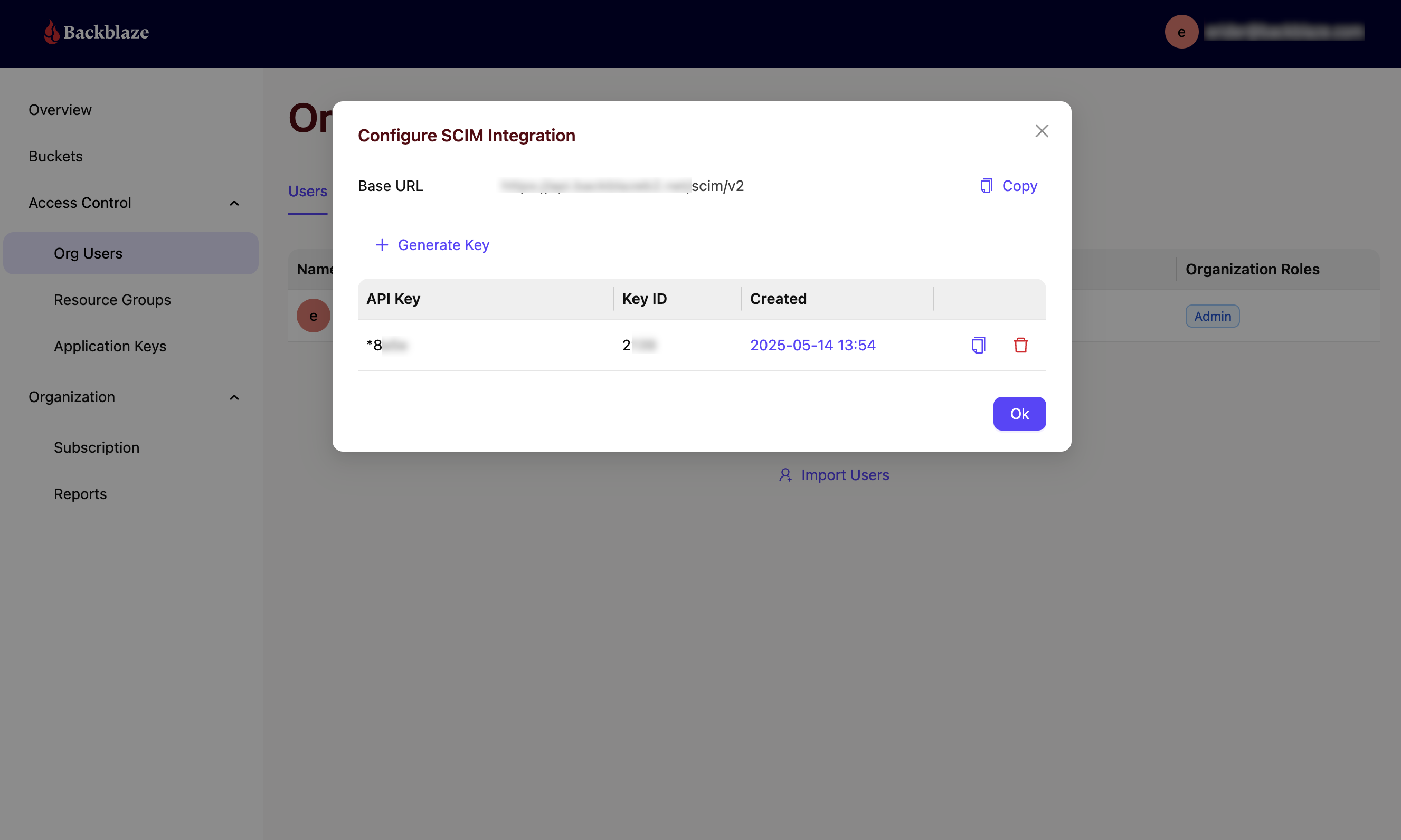
Application Keys provide granular access control that I find essential for secure operations. Rather than sharing master credentials across multiple applications or team members, I can create specific keys with carefully scoped permissions. These keys can be restricted to particular buckets, given read-only or write-only access, and even limited by IP address ranges. This approach follows the principle of least privilege and significantly reduces security risks. If a key is compromised, the blast radius is contained to only the resources that key could access.
The Object Lock feature has proven invaluable for compliance and data protection scenarios. Implementing immutable storage for regulatory requirements or ransomware protection is straightforward. Once Object Lock is enabled with a retention policy, data cannot be deleted or modified until the retention period expires. This feature has been crucial for clients in healthcare, finance, and legal industries who must maintain unalterable records for specified durations.
Lifecycle rules automate storage management in ways that save significant time and reduce human error. I can configure rules to automatically hide or delete objects after certain periods, manage version retention, and keep storage costs optimized without manual intervention. Setting up these rules is intuitive, and they execute reliably. For archival workflows where data relevance diminishes over time, lifecycle rules have automated what would otherwise be tedious maintenance tasks.
The event notification system enables integration with webhooks and external services. When objects are created, deleted, or modified, B2 can trigger notifications that initiate downstream processes. I have used this capability to build automated workflows that process uploaded files, update databases, and synchronize content across platforms. The notifications are reliable and delivered promptly, enabling responsive system architectures.
Large file handling is well-implemented with support for files up to 10 terabytes through multipart uploads. The chunking mechanism allows for resumable uploads, which is critical when dealing with large media files or database backups over potentially unstable connections. If an upload fails partway through, I can resume from where it left off rather than starting over. This resilience has saved considerable time and bandwidth.
Versioning capabilities protect against accidental deletions and modifications. When enabled on a bucket, every change to an object creates a new version while preserving previous versions. I can easily recover older versions of files or restore accidentally deleted content. The versioning system is logical and the interface for managing versions is clear. Combined with lifecycle rules, I can implement sophisticated retention policies that keep recent versions readily available while gradually pruning older ones.
The support experience has been consistently positive. Response times are reasonable, and the support team demonstrates genuine technical knowledge rather than reading from scripts. When I have encountered edge cases or needed guidance on advanced configurations, the support interactions have been productive and informative. Documentation is comprehensive and regularly updated, covering common scenarios as well as more specialized use cases.
Integration with popular backup solutions is extensive. Veeam, MSP360, Arq, Duplicacy, and numerous other backup platforms have native B2 integration. This ecosystem of compatible tools means that implementing B2 as a backup target typically requires minimal effort. The partnerships and integrations continue to expand, making B2 increasingly versatile as a backend for various applications.
The Backblaze Fireball service addresses a practical challenge for initial large data migrations. Rather than uploading terabytes or petabytes over network connections, which could take weeks or months, Backblaze ships physical storage devices that can be loaded locally and returned for rapid data ingestion. While I have not personally used this service, clients with massive initial datasets have found it invaluable for reducing migration timelines.
Cap alerts and usage notifications prevent surprise charges and help maintain budget discipline. I can configure alerts at various thresholds for storage, bandwidth, and transactions. When usage approaches these thresholds, notifications arrive via email, providing opportunity to investigate and adjust before costs escalate. This proactive visibility into usage patterns supports responsible resource management.
Cross-origin resource sharing (CORS) configuration supports web application integration. When building applications that need browser-based access to B2 content, the CORS rules can be configured appropriately. The configuration interface is straightforward, and the rules are applied consistently. This enables scenarios like direct browser uploads and content serving without requiring proxy servers.
The bucket settings offer flexibility in access control through public and private configurations. Public buckets can serve content directly without authentication, which is useful for static asset hosting. Private buckets require proper authorization for all access, maintaining confidentiality for sensitive data. Switching between these modes is simple, and the implications of each are clearly documented.
Server-side encryption provides an additional layer of data protection. While data at rest is always encrypted by Backblaze infrastructure, server-side encryption allows for customer-managed keys and stricter control over encryption practices. For organizations with specific cryptographic requirements or compliance mandates, this capability addresses important security considerations.
The API rate limits are generous and sufficient for most workloads. I have rarely encountered throttling except during extremely aggressive operations that would stress any storage system. When limits are approached, the error responses are clear and include retry-after guidance that enables graceful handling in applications. The overall throughput available meets the demands of even intensive workloads.
Metadata support on objects enables rich tagging and categorization. Custom headers and metadata fields can store additional information alongside objects, which is useful for search, organization, and application logic. The metadata is accessible through the API and can be queried or filtered in various ways. This capability has proven useful for building intelligent storage applications that leverage contextual information.
The mobile application provides convenient access for monitoring and basic management tasks. While I prefer the web interface for detailed work, the mobile app is useful for checking status, viewing usage, and performing quick operations when away from a workstation. The app is well-designed and provides essential functionality without trying to replicate every desktop feature.
Intelligent tiering and the relationship between B2 and Backblaze's broader ecosystem create interesting possibilities. The combination of B2 with Backblaze Personal or Business Backup products offers comprehensive data protection strategies. While these are separate products, they complement each other well for organizations with diverse backup requirements.
The geographic availability continues to improve with additional data center regions. Having options for data locality supports compliance with data residency requirements and can improve performance for geographically distributed users. Region selection is made during bucket creation, and data remains within the selected region unless explicitly transferred.
Audit logging provides visibility into access patterns and operations performed against stored data. For security monitoring and compliance, these logs document who accessed what data and when. The logs can be exported and integrated with security information and event management systems for centralized analysis and alerting. Recensione raccolta e ospitata su G2.com.
Cosa non ti piace di Backblaze B2 Cloud Storage?
While my overall experience with Backblaze B2 has been highly positive, there are areas where improvement would be welcome, and I believe acknowledging these limitations provides a balanced perspective.
The geographic footprint, while growing, remains more limited compared to hyperscale providers. Organizations with strict data sovereignty requirements or those needing to serve content from numerous global edge locations may find the current region availability constraining. While the existing regions serve many use cases well, additional locations in Asia Pacific, South America, and additional European countries would expand applicability. I have encountered scenarios where client requirements for specific regional data storage could not be met, requiring alternative solutions for those particular workloads.
Real-time analytics and detailed usage dashboards could be more sophisticated. While basic usage information is readily available, deeper insights into access patterns, performance metrics, and trend analysis require exporting data and processing it externally. A more robust built-in analytics capability would reduce the need for supplementary monitoring tools. I often find myself building custom dashboards by aggregating API data because the native reporting lacks the granularity and visualization options I desire.
The absence of built-in storage classes or intelligent tiering within B2 itself represents a missed opportunity. Unlike some competitors that offer automatic movement of data between hot and cold tiers based on access patterns, B2 maintains a single storage tier. While the base pricing is competitive, automated tiering could provide additional cost optimization for mixed workloads with varying access frequencies. Currently, optimizing for access patterns requires manual management or external tooling.
Object search functionality is limited to prefix-based filtering rather than full metadata search capabilities. Finding specific objects in buckets containing millions of files requires either knowing the exact key prefix or implementing external indexing solutions. A more powerful native search capability, perhaps leveraging object metadata and tags, would enhance usability for large-scale deployments. I have had to build separate search indices for projects where content discovery was important.
The console, while clean, sometimes feels basic compared to more feature-rich alternatives. Advanced users might want more sophisticated bucket policies, more complex lifecycle rule conditions, or deeper configuration options available through the interface. Some advanced configurations require API calls or CLI tools rather than being accessible through the web console. Expanding the console capabilities would reduce friction for power users.
Documentation, although comprehensive in many areas, occasionally lacks depth on edge cases and advanced integration scenarios. Some advanced topics are covered only briefly, requiring experimentation or support contact to fully understand. More detailed documentation on complex configurations, performance optimization, and troubleshooting would benefit the community. I have occasionally spent significant time discovering optimal approaches through trial and error that better documentation could have illuminated.
The webhook notification system, while functional, offers limited filtering and transformation capabilities. Notifications are triggered for broad event categories rather than allowing fine-grained conditions. Processing notifications typically requires implementing filtering logic in receiving applications rather than configuring it at the source. More sophisticated event filtering and payload customization would reduce downstream processing requirements.
Multi-region replication is not natively supported. For disaster recovery or high availability scenarios requiring data presence in multiple geographic locations, replication must be implemented using external tools. A native cross-region replication feature would simplify disaster recovery architectures and reduce reliance on third-party synchronization solutions. Building and maintaining replication pipelines adds operational complexity that native support would alleviate.
The mobile application, while useful for monitoring, lacks capabilities for more advanced management tasks. Modifying bucket settings, creating application keys with specific permissions, or configuring lifecycle rules all require the web interface or API. Expanding mobile functionality would improve management flexibility for administrators frequently away from traditional workstations.
Batch operations for bulk object management are limited. Operations affecting large numbers of objects, such as bulk deletion, metadata updates, or access control changes, often require scripting custom solutions. Native batch operation support would streamline administrative tasks for large-scale storage management. I have written numerous scripts to perform bulk operations that the platform could potentially handle natively. Recensione raccolta e ospitata su G2.com.