Risorse Piattaforme di Data Science e Machine Learning
Articoli, Termini del glossario, Discussioni, e Rapporti per espandere la tua conoscenza su Piattaforme di Data Science e Machine Learning
Le pagine delle risorse sono progettate per offrirti una sezione trasversale delle informazioni che abbiamo su categorie specifiche. Troverai articoli dai nostri esperti, definizioni delle funzionalità, discussioni da utenti come te, e rapporti dai dati del settore.
Articoli Piattaforme di Data Science e Machine Learning
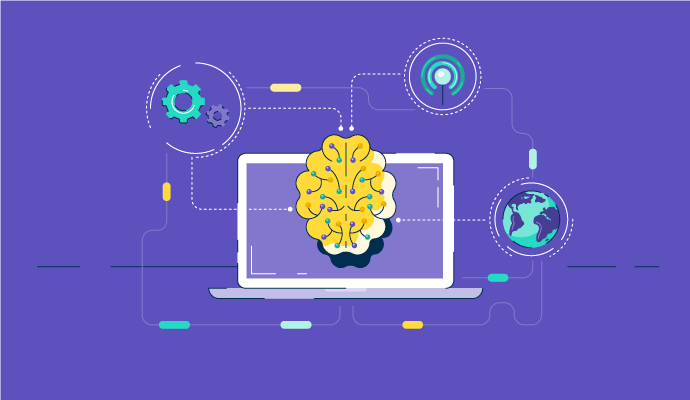
Modelli Seq2Seq: Come Funzionano e Perché Sono Importanti nell'IA


10 Best Data Labeling Software With G2 User Reviews
Che cos'è l'intelligenza artificiale (IA)? Tipi, definizione ed esempi

Che cos'è l'Intelligenza Generale Artificiale (AGI)? Il futuro è qui

Tendenze dell'IA 2023: IA più economica e facile da usare al salvataggio

Barriere all'adozione dell'IA e dell'analisi nella catena di approvvigionamento

L'importanza della qualità dei dati e la commoditizzazione degli algoritmi

Come scegliere una piattaforma di Data Science e Machine Learning adatta alla tua azienda

Tendenze dei dati nel 2022

Come Creare Algoritmi Che Si Spiegano Da Soli

Intelligenza Artificiale nella Sanità: Benefici, Miti e Limitazioni

Il Ruolo dell'Intelligenza Artificiale nella Contabilità

Aziende tecnologiche che colmano il divario tra IA e automazione

Come il COVID-19 sta influenzando i professionisti dei dati

La vera protezione dei dati richiede più della sola regolamentazione

Qual è il futuro del Machine Learning? Abbiamo chiesto a 5 esperti
Termini del glossario Piattaforme di Data Science e Machine Learning

Il bias algoritmico è un errore sistematico dell'IA che genera risultati ingiusti basati su razza, età o genere. Impara i suoi tipi, esempi e prevenzione.

L'operazionalizzazione del machine learning è un processo o una metodologia, non un particolare tipo di software. Applica strumenti e risorse per garantire che i progetti di machine learning siano eseguiti correttamente ed efficientemente, inclusi la governance dei dati, la gestione dei modelli e il deployment dei modelli.
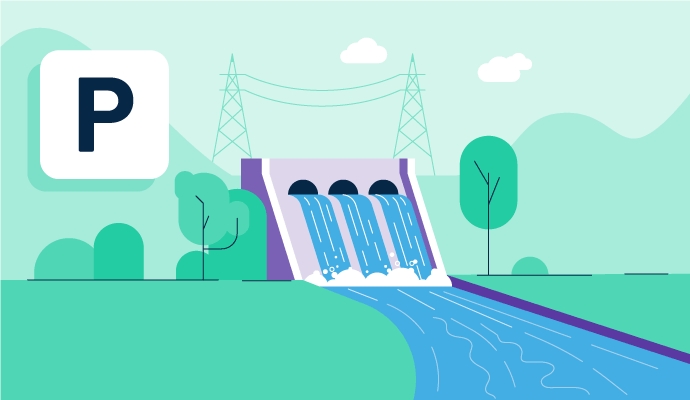
L'elaborazione parallela è un tipo di architettura informatica in cui i compiti vengono suddivisi in parti più piccole e processati separatamente per garantire velocità di elaborazione più elevate e aumentare la comodità.
Discussioni Piattaforme di Data Science e Machine Learning
Quali sono le caratteristiche di Databricks?
Che cos'è la piattaforma Google AI?
I’m trying to find the best AIOps tools for automating root cause analysis. I am look specifically for platforms that actually reduce MTTR rather than just group alerts more neatly. Automated RCA seems to break into three camps: topology-aware causality, distributed tracing, and cross-tool event correlation. I looked at the AIOps Tools and Platforms category on G2 and narrowed down five tools that automate RCA. If I were spoiling the shortlist up front, Dynatrace and IBM Instana stood out fist. Here's the complete list:
- Dynatrace — Strong when you want automated root cause to come from continuous discovery, service relationships, and business impact context rather than manual correlation rules.
- IBM Instana — Looks especially strong for microservices-heavy teams that need automatic dependency maps and distributed tracing to pinpoint where a failure actually started.
- BigPanda — More compelling when the RCA challenge starts with too many upstream alerts from too many tools and you need event correlation plus automation before responders can even investigate.
- Moogsoft — Worth including when NOC, observability, and incident teams need a shared connective layer that turns alert floods into fewer, more meaningful incidents.
- ScienceLogic AI Platform — Stronger fit for hybrid and large-scale environments where RCA depends on broad monitoring coverage, customizable dashboards, and AI-led issue detection across distributed systems.
From your experience, which approach actually made RCA easier after deployment: automatic service maps, trace analytics, or cross-tool event correlation? And where are humans still doing the last mile of diagnosis anyway?
Sto anche esaminando strumenti AIOps specifici per le imprese su G2 poiché la maturità dell'RCA spesso appare molto diversa in contesti più grandi.

