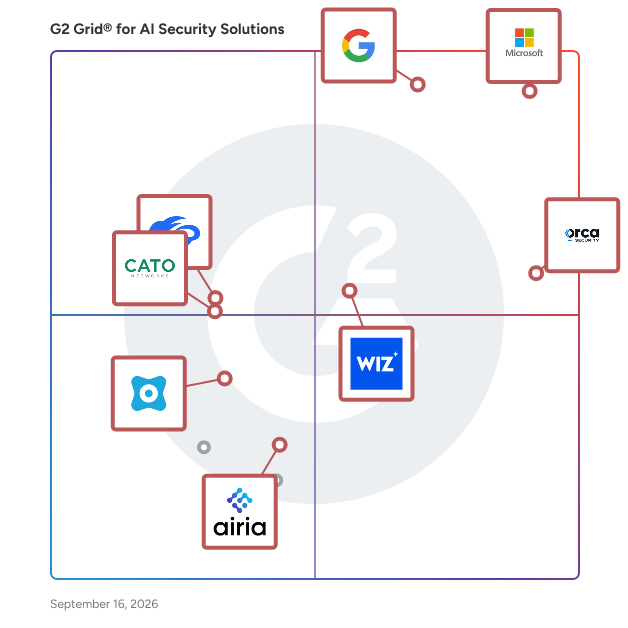
AI security solutions help organizations protect AI assets, including machine learning models, large language models, and AI agents, from misuse, by monitoring AI behavior, enforcing security policies on AI inputs and outputs, and serving as a security layer between traditional cybersecurity and modern AI workflows without requiring retraining or modification of underlying models.
Core Capabilities of AI Security Solutions
To qualify for inclusion in the AI Security Solutions category, a product must:
- Provide security capabilities specifically designed to protect AI assets such as AI models, LLMs, or AI agents
- Monitor or control AI inputs, outputs, or runtime behavior
- Enforce policy or security rules on AI models, LLM applications, AI agents, or any other AI assets
Common Use Cases for AI Security Solutions
Security teams, AI engineering teams, and risk and compliance groups use AI security solutions to safely integrate AI into products and operations. Common use cases include:
- Detecting and preventing prompt injection attacks, sensitive data leaks, and manipulated inputs targeting LLM applications
- Monitoring AI agent behavior at runtime to identify unusual or unauthorized actions
- Enforcing content and access policies on AI outputs to ensure trustworthy and compliant AI interactions
How AI Security Solutions Differ from Other Tools
AI security solutions connect to traditional security infrastructure, including SIEM software, cloud security software, and application security tools, as well as AI infrastructure and MLOps platforms. Unlike these adjacent tools, AI security solutions are specifically designed to address the unique threats introduced by AI systems, such as model manipulation, prompt injection, and unsafe AI-driven actions, rather than securing traditional cloud infrastructure, application code, or network perimeters.
Insights from G2 on AI Security Solutions
Based on category trends on G2, runtime AI behavior monitoring and prompt injection protection stand out as the most impactful capabilities. These platforms deliver improved confidence in deploying AI in production and reduced risk of sensitive data exposure through AI models as primary outcomes of adoption.