Load Balancing Software Resources
Articles, Glossary Terms, Discussions, and Reports to expand your knowledge on Load Balancing Software
Resource pages are designed to give you a cross-section of information we have on specific categories. You'll find articles from our experts, feature definitions, discussions from users like you, and reports from industry data.
Load Balancing Software Articles

What Are Load Balancing Algorithms? All You Need To Know

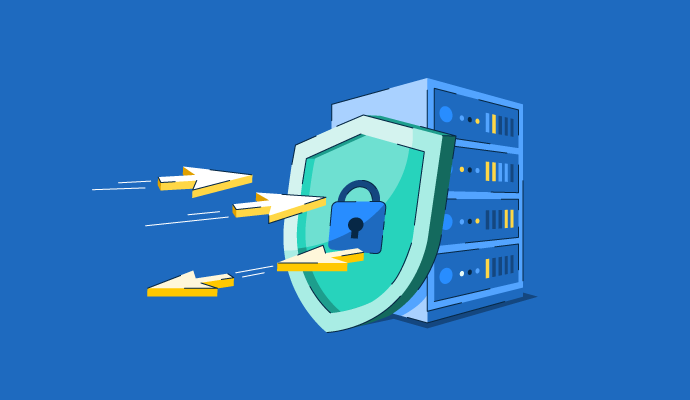
Reverse Proxy: How It Works, Examples, and Use Cases

What Is a Load Balancer? It's Important for App Performance
Load Balancing Software Glossary Terms
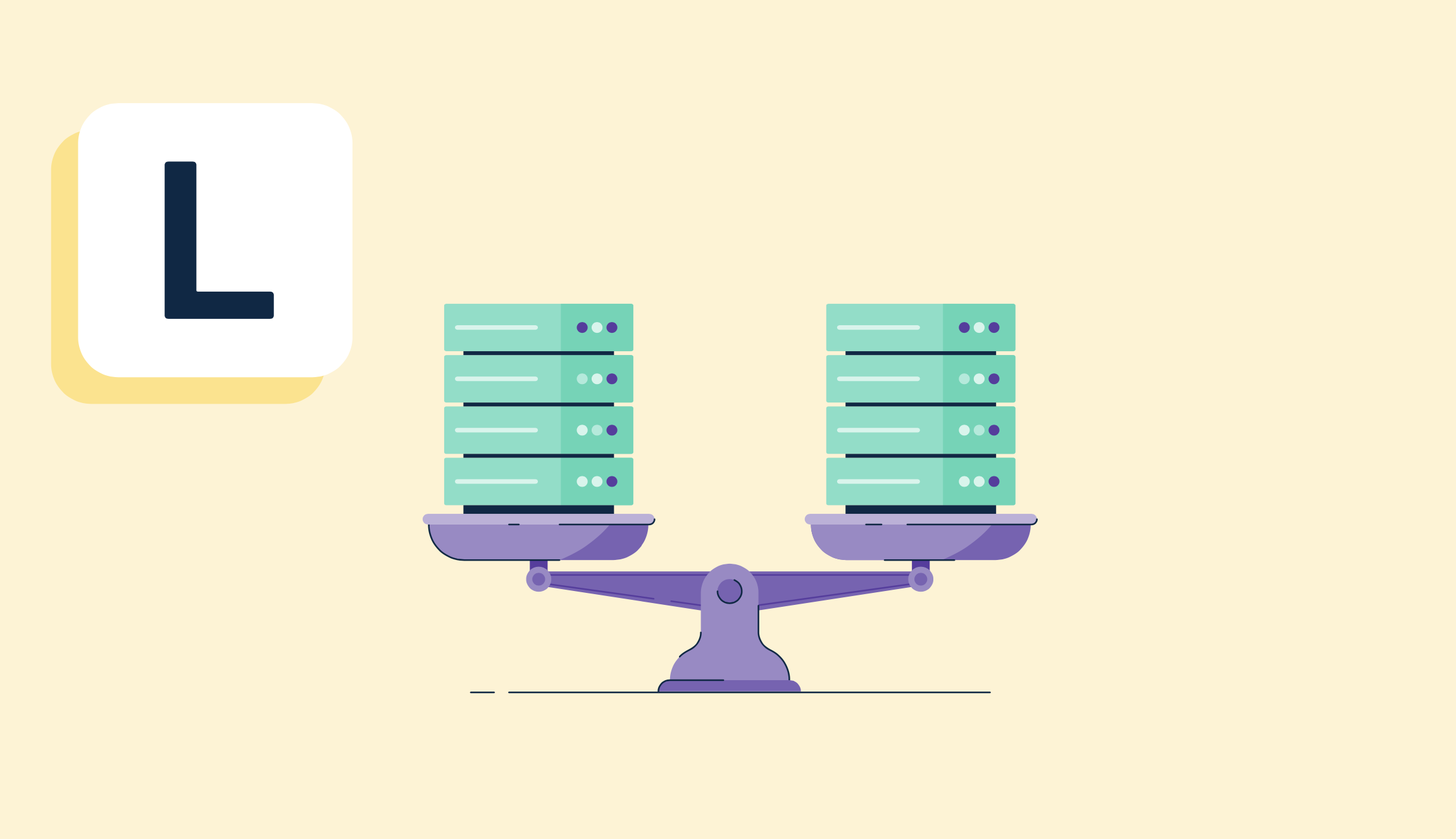
Load balancing is the process of dispersing traffic across servers to avoid overworking them. Learn more about the types and benefits.
Explore our Technology Glossary
Browse through dozens of terms to better understand the products you purchase and use everyday.
Load Balancing Software Discussions
Been researching load balancing options and one question I want the community’s opinion on is: Which load balancing software maintains session consistency even during planned server maintenance windows without routing users into broken states. The reviews cover this pretty unevenly, so wanted to pull together what's out there. Sharing what I found and curious if others have experience with this.
Here's what I've been comparing:
- HAProxy came up the most here. Zero-downtime reloads let it route traffic away from a server before it restarts, and session affinity holds through that process.
- Progress Kemp LoadMaster got called out for the monitoring dashboard being genuinely useful during maintenance windows, and for conditional routing rules that keep sessions pinned to a specific backend during a drain.
- Load Balancer Enterprise ADC has granular session persistence controls, including cookie and IP-based affinity, and supports high-availability pairs for seamless handoff when a backend enters maintenance.
- Cloudflare Application Security and Performance routes traffic at the edge and redirects away from a backend automatically when health checks fail. Reviews mentioned it for planned maintenance because the routing change takes effect without touching origin config.
- F5 NGINX supports weighted routing, so you can gradually move traffic away from a backend before taking it down rather than cutting over all at once. Reviews described it as reliable in environments where multiple services share infrastructure and maintenance needs to be coordinated across them.
Has anyone found a meaningful difference in how long different tools take to drain active sessions before a backend is safe to restart? Curious whether any of these have a built-in way to prevent new sessions from hitting a server that's about to enter maintenance, without requiring a manual configuration change every time.
Hey G2 community, I've been researching load balancing software specifically for the session persistence and failover problem for mission-critical web applications where dropped user sessions aren't an option and keep hitting the same wall. Every tool says it handles session persistence, but what I actually need to know is what happens when a backend goes down while a user is mid-session, not just being redirected to the login page.
Here's what the reviews for the products were like:
- HAProxy is the most cited option here, with stick tables for deep session affinity and zero-downtime reloads that don't disrupt live sessions. Has anyone tested whether stick table entries actually survive a backend going down mid-session?
- Progress Kemp LoadMaster supports conditional routing rules across backend servers, used for both internal and external apps. Reviewers describe it as easier to configure than alternatives.
- Load Balancer Enterprise ADC is built specifically for application delivery in mission-critical environments, with persistent session handling, cookie and IP-based affinity, and high-availability failover pairs. Reviews note it's relatively straightforward to configure compared to alternatives in the enterprise ADC space.
- F5 NGINX is reliable in high-concurrency environments, though complex session routing is flagged as requiring real expertise to configure.
- Akamai Cloud Computing routes traffic at the edge, so a backend going down during a session can be handled before the impact reaches the user. Reviews from enterprise teams mention it for mission-critical setups where dropped sessions aren't an option.
I'm wondering if anyone has actually stress-tested session persistence during a planned failover. Did any of these maintain session state correctly, or did users still get bounced back to login despite the configuration?
Hey G2 community, I've been researching load balancing software specifically for the session persistence and failover problem for mission-critical web applications where dropped user sessions aren't an option and keep hitting the same wall. Every tool says it handles session persistence, but what I actually need to know is what happens when a backend goes down while a user is mid-session, not just being redirected to the login page.
Here's what the reviews for the products were like:
- HAProxy is the most cited option here, with stick tables for deep session affinity and zero-downtime reloads that don't disrupt live sessions. Has anyone tested whether stick table entries actually survive a backend going down mid-session?
- Progress Kemp LoadMaster supports conditional routing rules across backend servers, used for both internal and external apps. Reviewers describe it as easier to configure than alternatives.
- Load Balancer Enterprise ADC is built specifically for application delivery in mission-critical environments, with persistent session handling, cookie and IP-based affinity, and high-availability failover pairs. Reviews note it's relatively straightforward to configure compared to alternatives in the enterprise ADC space.
- F5 NGINX is reliable in high-concurrency environments, though complex session routing is flagged as requiring real expertise to configure.
- Akamai Cloud Computing routes traffic at the edge, so a backend going down during a session can be handled before the impact reaches the user. Reviews from enterprise teams mention it for mission-critical setups where dropped sessions aren't an option.
I'm wondering if anyone has actually stress-tested session persistence during a planned failover. Did any of these maintain session state correctly, or did users still get bounced back to login despite the configuration?