### Contents

- [**Articles**](#resources-articles)
- [**Glossary Terms**](#resources-glossary_terms)
- [**Discussions**](#resources-discussions)
- [**Reports**](#resources-reports)

# Load Balancing Software Resources

##### Articles, Glossary Terms, Discussions, and Reports to expand your knowledge on Load Balancing Software

Resource pages are designed to give you a cross-section of information we have on specific categories. You'll find [articles](#resources-articles) from our experts, [feature definitions](#resources-glossary_terms), [discussions](#resources-discussions) from users like you, and [reports](#resources-reports) from industry data.

[ContentsExpand/Collapse Contents](#)
- [**Articles**](#resources-articles)
- [**Glossary Terms**](#resources-glossary_terms)
- [**Discussions**](#resources-discussions)
- [**Reports**](#resources-reports)

## Load Balancing Software Articles

[![What Are Load Balancing Algorithms? All You Need To Know](https://learn.g2.com/hubfs/load%20balancing%20algorithms%20%281%29.png "What Are Load Balancing Algorithms? All You Need To Know")](https://www.g2.com/articles/load-balancing-algorithms)

[
### What Are Load Balancing Algorithms? All You Need To Know
](https://www.g2.com/articles/load-balancing-algorithms)
Picture a restaurant host seating incoming guests in different parts of the restaurant to distribute the workload among the waitstaff. The host aims to ensure that no single server feels overwhelmed or becomes responsible for more tables than they can handle. This process also means guests receive timely service.

[
 ![Alyssa Towns](/assets/transparent-ad5be28fbcd25b7b08d2cebe1d957125437fb5407d75ee717965ad22c8808791.gif "Alyssa Towns")
AT

](https://learn.g2.com/author/alyssa-towns)

by Alyssa Towns

[![Reverse Proxy: How It Works, Examples, and Use Cases](https://learn.g2.com/hubfs/G2CM_FI1098_Learn_Article_Images_%5Breverse_proxy%5D_V1a.png "Reverse Proxy: How It Works, Examples, and Use Cases")](https://www.g2.com/articles/reverse-proxy)

[
### Reverse Proxy: How It Works, Examples, and Use Cases
](https://www.g2.com/articles/reverse-proxy)
In networking, a proxy acts as a middleman between the client and the server, managing requests and responses on behalf of the other devices.&nbsp;

[
 ![Sagar Joshi](/assets/transparent-ad5be28fbcd25b7b08d2cebe1d957125437fb5407d75ee717965ad22c8808791.gif "Sagar Joshi")
SJ

](https://learn.g2.com/author/sagar-joshi)

by Sagar Joshi

[![What Is a Load Balancer? It's Important for App Performance](https://learn.g2.com/hubfs/G2CM_FI120_Learn_Article_Images-%5BLoad_Balancer%5D_V1a.png "What Is a Load Balancer? It's Important for App Performance")](https://www.g2.com/articles/load-balancer)

[
### What Is a Load Balancer? It's Important for App Performance
](https://www.g2.com/articles/load-balancer)
Having an app crash in the middle of shopping is frustrating.

[
 ![Sudipto Paul](/assets/transparent-ad5be28fbcd25b7b08d2cebe1d957125437fb5407d75ee717965ad22c8808791.gif "Sudipto Paul")
SP

](https://learn.g2.com/author/sudipto-paul)

by Sudipto Paul

## Load Balancing Software Glossary Terms
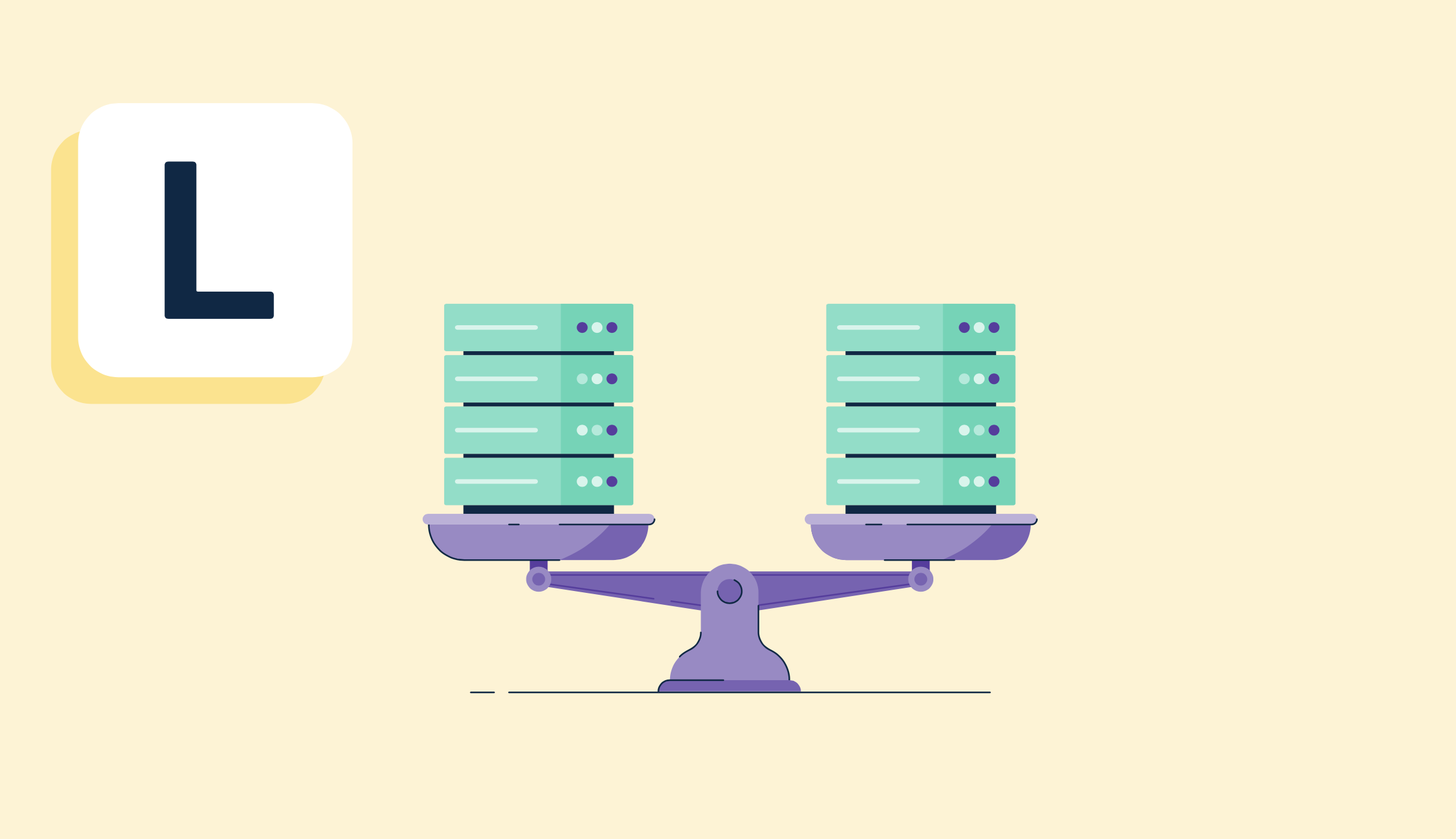
[![Load Balancing](https://learn.g2.com/hubfs/Screen%20Shot%202022-05-25%20at%209.39.14%20AM.png "Load Balancing")](https://www.g2.com/glossary/load-balancing-definition)

[Load Balancing](https://www.g2.com/glossary/load-balancing-definition)

Load balancing is the process of dispersing traffic across servers to avoid overworking them. Learn more about the types and benefits.

by Alexandra Vazquez

Explore our Technology Glossary

Browse through dozens of terms to better understand the products you purchase and use everyday.

[Find new features](https://www.g2.com/glossary)

## Load Balancing Software Discussions

0

[What load balancing platforms work best for a SaaS company distributing traffic across cloud infrastructure without adding unnecessary complexity to the stack?](/discussions/what-load-balancing-platforms-work-best-for-a-saas-company-distributing-traffic-across-cloud-infrastructure-without-adding-unnecessary-complexity-to-the-stack)

What[](https://www.g2.com/categories/load-balancing)[load balancing](https://www.g2.com/categories/load-balancing) platforms work best for a SaaS company distributing traffic across cloud infrastructure without adding unnecessary complexity to the stack? I've been looking into this specifically from a SaaS angle; the tradeoffs look different when you're on shared cloud infrastructure and every layer you add is another thing to maintain. Sharing what I found going through SaaS-focused reviews; curious whether others have landed on something different.

- [**AWS Elastic Load Balancing**](https://www.g2.com/products/aws-elastic-load-balancing/reviews): most common starting point for AWS-native SaaS teams; path-based routing, Auto Scaling integration, and graceful draining built in
- [**Cloudflare Application Security and Performance**](https://www.g2.com/products/cloudflare-application-security-and-performance/reviews): handles traffic distribution and security in one layer; not a pure load balancer but SaaS teams in the reviews found the consolidation worth it
- [**Traefik**](https://www.g2.com/products/traefik/reviews): standout for containerized SaaS stacks; dynamic service discovery means new services come online without manual config changes
- [**HAProxy**](https://www.g2.com/products/haproxy/reviews): shows up for teams that want fine-grained routing without cloud vendor lock-in; reviewers described it as infrastructure that you can deploy and forget about
- [**Fastly Content Delivery**](https://www.g2.com/products/fastly-content-delivery/reviews): CDN-first but used by SaaS teams to offload origin load during spikes; near-instant cache invalidation was the practical differentiator

If your SaaS stack is already on one cloud provider, has the native load balancer been enough on its own, or has something else always ended up in front of it?

For a single-cloud SaaS setup, the native load balancer is usually enough on its own, and starting there is the least you have to maintain. What tends to end up in front of it isn't another load balancer, it's an edge layer like Cloudflare for security and to soak up spikes, and since that's traffic and protection in one layer it doesn't add a moving part the way a second load balancer would. The one time I'd reach past native is a containerized stack, where Traefik's service discovery means new services get traffic with no config changes, which removes work rather than adding it. Most of the complexity tends to creep in from stacking overlapping tools, not from the load balancer choice itself.

Answered: Mahima Chavan on July 14, 2026

[Your answer](/discussions/what-load-balancing-platforms-work-best-for-a-saas-company-distributing-traffic-across-cloud-infrastructure-without-adding-unnecessary-complexity-to-the-stack/comments/new?remote=true)

0

[What load balancing platforms work best for a SaaS company distributing traffic across cloud infrastructure without adding unnecessary complexity to the stack?](/discussions/what-load-balancing-platforms-work-best-for-a-saas-company-distributing-traffic-across-cloud-infrastructure-without-adding-unnecessary-complexity-to-the-stack)

What[](https://www.g2.com/categories/load-balancing)[load balancing](https://www.g2.com/categories/load-balancing) platforms work best for a SaaS company distributing traffic across cloud infrastructure without adding unnecessary complexity to the stack? I've been looking into this specifically from a SaaS angle; the tradeoffs look different when you're on shared cloud infrastructure and every layer you add is another thing to maintain. Sharing what I found going through SaaS-focused reviews; curious whether others have landed on something different.

- [**AWS Elastic Load Balancing**](https://www.g2.com/products/aws-elastic-load-balancing/reviews): most common starting point for AWS-native SaaS teams; path-based routing, Auto Scaling integration, and graceful draining built in
- [**Cloudflare Application Security and Performance**](https://www.g2.com/products/cloudflare-application-security-and-performance/reviews): handles traffic distribution and security in one layer; not a pure load balancer but SaaS teams in the reviews found the consolidation worth it
- [**Traefik**](https://www.g2.com/products/traefik/reviews): standout for containerized SaaS stacks; dynamic service discovery means new services come online without manual config changes
- [**HAProxy**](https://www.g2.com/products/haproxy/reviews): shows up for teams that want fine-grained routing without cloud vendor lock-in; reviewers described it as infrastructure that you can deploy and forget about
- [**Fastly Content Delivery**](https://www.g2.com/products/fastly-content-delivery/reviews): CDN-first but used by SaaS teams to offload origin load during spikes; near-instant cache invalidation was the practical differentiator

If your SaaS stack is already on one cloud provider, has the native load balancer been enough on its own, or has something else always ended up in front of it?

For a single-cloud SaaS setup, the native load balancer is usually enough on its own, and starting there is the least you have to maintain. What tends to end up in front of it isn't another load balancer, it's an edge layer like Cloudflare for security and to soak up spikes, and since that's traffic and protection in one layer it doesn't add a moving part the way a second load balancer would. The one time I'd reach past native is a containerized stack, where Traefik's service discovery means new services get traffic with no config changes, which removes work rather than adding it. Most of the complexity tends to creep in from stacking overlapping tools, not from the load balancer choice itself.

Answered: Mahima Chavan on July 14, 2026

[Your answer](/discussions/what-load-balancing-platforms-work-best-for-a-saas-company-distributing-traffic-across-cloud-infrastructure-without-adding-unnecessary-complexity-to-the-stack/comments/new?remote=true)

0

[Which load balancing software maintains session consistency even during planned server maintenance windows without routing users into broken states?](/discussions/which-load-balancing-software-maintains-session-consistency-even-during-planned-server-maintenance-windows-without-routing-users-into-broken-states)

Been researching[](https://www.g2.com/categories/load-balancing)[load balancing](https://www.g2.com/categories/load-balancing) options and one question I want the community’s opinion on is: Which load balancing software maintains session consistency even during planned server maintenance windows without routing users into broken states. The reviews cover this pretty unevenly, so wanted to pull together what's out there. Sharing what I found and curious if others have experience with this.

Here's what I've been comparing:

1. [**HAProxy**](https://www.g2.com/products/haproxy/reviews) came up the most here. Zero-downtime reloads let it route traffic away from a server before it restarts, and session affinity holds through that process.
2. [**Progress Kemp LoadMaster**](https://www.g2.com/products/progress-kemp-loadmaster/reviews) got called out for the monitoring dashboard being genuinely useful during maintenance windows, and for conditional routing rules that keep sessions pinned to a specific backend during a drain.
3. [**Load Balancer Enterprise ADC**](https://www.g2.com/products/load-balancer-enterprise-adc/reviews) has granular session persistence controls, including cookie and IP-based affinity, and supports high-availability pairs for seamless handoff when a backend enters maintenance.
4. [**Cloudflare Application Security and Performance**](https://www.g2.com/products/cloudflare-application-security-and-performance/reviews) routes traffic at the edge and redirects away from a backend automatically when health checks fail. Reviews mentioned it for planned maintenance because the routing change takes effect without touching origin config.
5. [**F5 NGINX**](https://www.g2.com/products/f5-nginx/reviews) supports weighted routing, so you can gradually move traffic away from a backend before taking it down rather than cutting over all at once. Reviews described it as reliable in environments where multiple services share infrastructure and maintenance needs to be coordinated across them.

Has anyone found a meaningful difference in how long different tools take to drain active sessions before a backend is safe to restart? Curious whether any of these have a built-in way to prevent new sessions from hitting a server that's about to enter maintenance, without requiring a manual configuration change every time.

The one that quietly gets you is bandwidth, not requests. A per-request line you can at least estimate, but egress and bandwidth overages are what blow up the bill right when traffic is highest. If your team's been burned, I'd rule out anything with a variable bandwidth component first. Self-hosting HAProxy or Traefik sidesteps it completely since you're only paying for the box it runs on. If you want a real vendor and support, Progress Kemp's flat license was the cleanest managed option I've come across for this, you know the number up front and it doesn't move with traffic. The mixed-billing ones like Azure's gateway are where the month-to-month guessing creeps back in, so I'd steer clear if predictability is the whole point.

Answered: Mahima Chavan on July 14, 2026

[Your answer](/discussions/which-load-balancing-software-maintains-session-consistency-even-during-planned-server-maintenance-windows-without-routing-users-into-broken-states/comments/new?remote=true)

- &lsaquo; Prev ‹ Prev
- 1
- [2](/categories/load-balancing/resources?discussions_page=2)
- [3](/categories/load-balancing/resources?discussions_page=3)
- [4](/categories/load-balancing/resources?discussions_page=4)
- [5](/categories/load-balancing/resources?discussions_page=5)
- …
- [17](/categories/load-balancing/resources?discussions_page=17)
- [18](/categories/load-balancing/resources?discussions_page=18)
- [Next &rsaquo; Next ›](/categories/load-balancing/resources?discussions_page=2)

## Load Balancing Software Reports

Mid-Market Grid® Report for Load Balancing

Summer 2026

G2 Report: Grid® Report

Grid® Report for Load Balancing

Summer 2026

G2 Report: Grid® Report

Enterprise Grid® Report for Load Balancing

Summer 2026

G2 Report: Grid® Report

Momentum Grid® Report for Load Balancing

Summer 2026

G2 Report: Momentum Grid® Report

Small-Business Grid® Report for Load Balancing

Summer 2026

G2 Report: Grid® Report

Enterprise Grid® Report for Load Balancing

Spring 2026

G2 Report: Grid® Report

Small-Business Grid® Report for Load Balancing

Spring 2026

G2 Report: Grid® Report

Mid-Market Grid® Report for Load Balancing

Spring 2026

G2 Report: Grid® Report

Grid® Report for Load Balancing

Spring 2026

G2 Report: Grid® Report

Momentum Grid® Report for Load Balancing

Spring 2026

G2 Report: Momentum Grid® Report