Construction Project Management Software Resources
Articles, Glossary Terms, Discussions, and Reports to expand your knowledge on Construction Project Management Software
Resource pages are designed to give you a cross-section of information we have on specific categories. You'll find articles from our experts, feature definitions, discussions from users like you, and reports from industry data.
Construction Estimating Software Articles
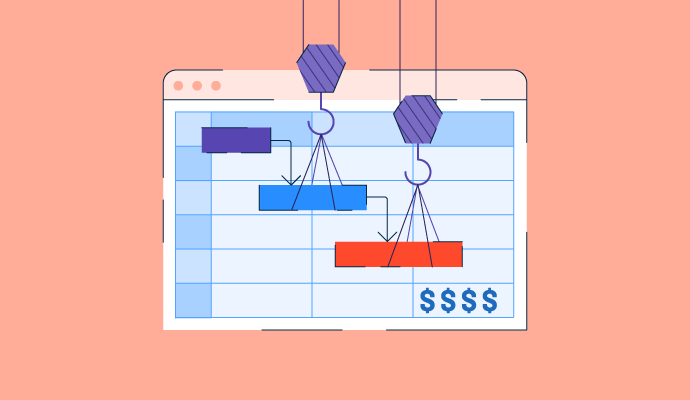
8 Best Free Construction Estimating Software in 2024
Nothing in the construction industry comes for free. Landing a new construction project involves critical cost estimations and budget approvals. Getting these approvals isn’t easy because vendors and contractors always quote high prices for their services.
Construction Project Management Software Glossary Terms
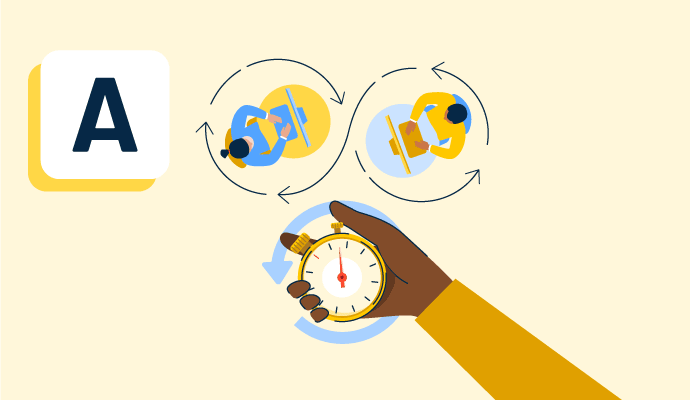
Agile is a project management philosophy with specific values, whereas scrum is an agile framework for facilitating project delivery. Learn how they differ.
by Sudipto Paul
Explore our Technology Glossary
Browse through dozens of terms to better understand the products you purchase and use everyday.
Construction Project Management Software Discussions
Answered: Yashwathy Marudhachalam on September 18, 2026
Answered: Barkha Bali on September 17, 2026
A single window platform, playing a vital role in construction industry as a CDE- Common Data Environment enabling various stakeholders to work collaboratively.
Answered: Ashfan Sange on June 27, 2024
Great thing comparing with the BIM 360
Answered: Drazen Svrtan on June 28, 2024
ACC is a cloud platform that can invite all participating project members and owners into the same environment to work on construction of just about any building or infrastructure project. Putting stakeholders in one place to collaborate on design elements, construction tasks, evaluate risk, and make real time updates to progress whether during design or during construction or beyond into the building lifecycle makes collaboration easier and saves time and money. There are still some wish-list items we desire it to be able to do in the future, but the product is getting very mature and can be a trusted tool in everyone's arsenal.
Answered: Bruce Johnson on June 26, 2024
it is a single source of truth for drawing and models or can say act as common data environment (CDE). does improve design -review workflows. build better communication between designers, contractors and clients.
Answered: Harsh Vardhan Jangid on August 6, 2026
Construction Project Management Software Reports
Mid-Market Grid® Report for Construction Project Management
Fall 2026
Grid® Report for Construction Project Management
Fall 2026
Enterprise Grid® Report for Construction Project Management
Fall 2026
Momentum Grid® Report for Construction Project Management
Fall 2026
G2 Report: Momentum Grid® Report
Small-Business Grid® Report for Construction Project Management
Fall 2026
Enterprise Grid® Report for Construction Project Management
Summer 2026
Small-Business Grid® Report for Construction Project Management
Summer 2026
Mid-Market Grid® Report for Construction Project Management
Summer 2026
Grid® Report for Construction Project Management
Summer 2026
Momentum Grid® Report for Construction Project Management
Summer 2026
G2 Report: Momentum Grid® Report