
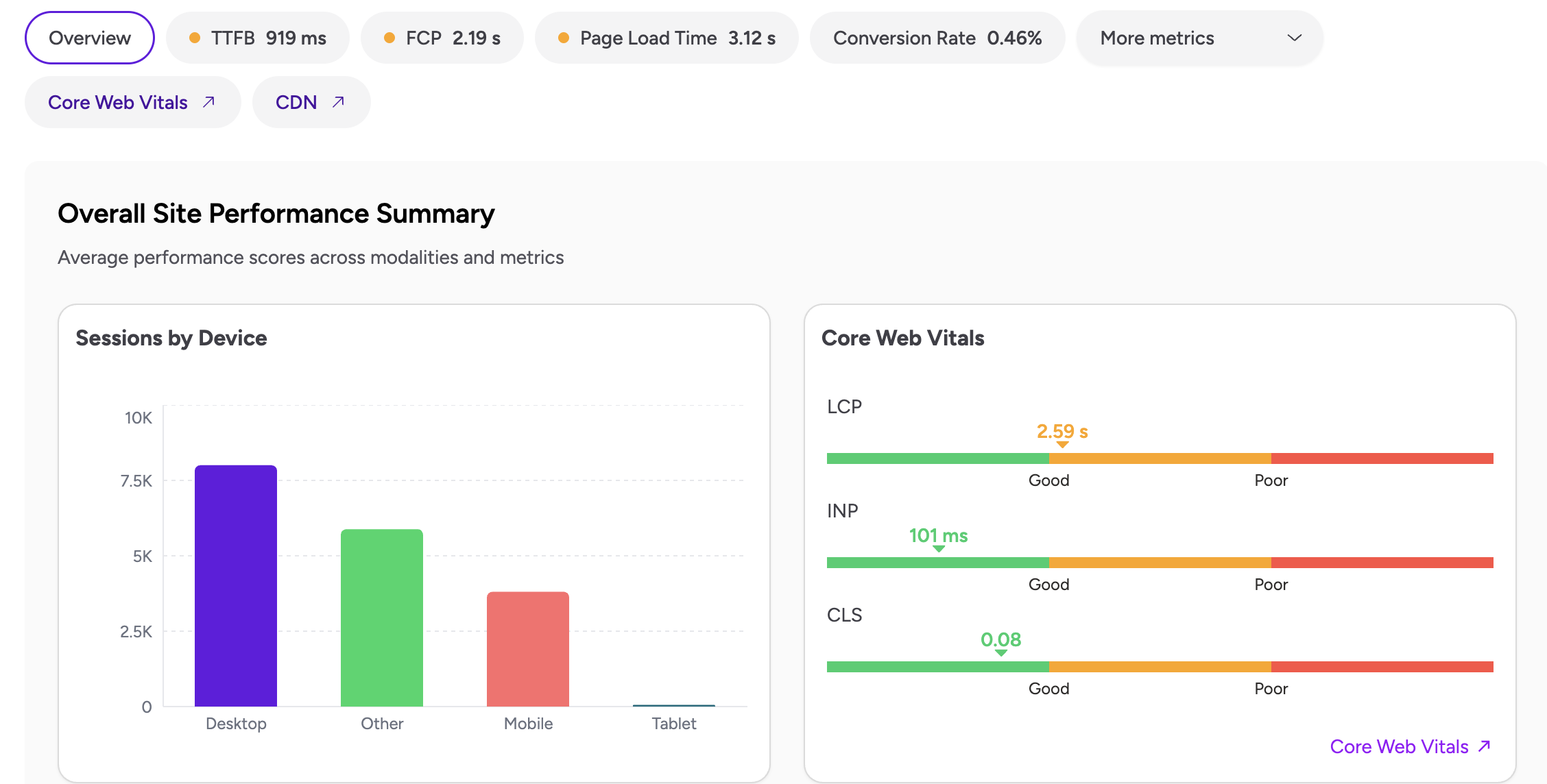
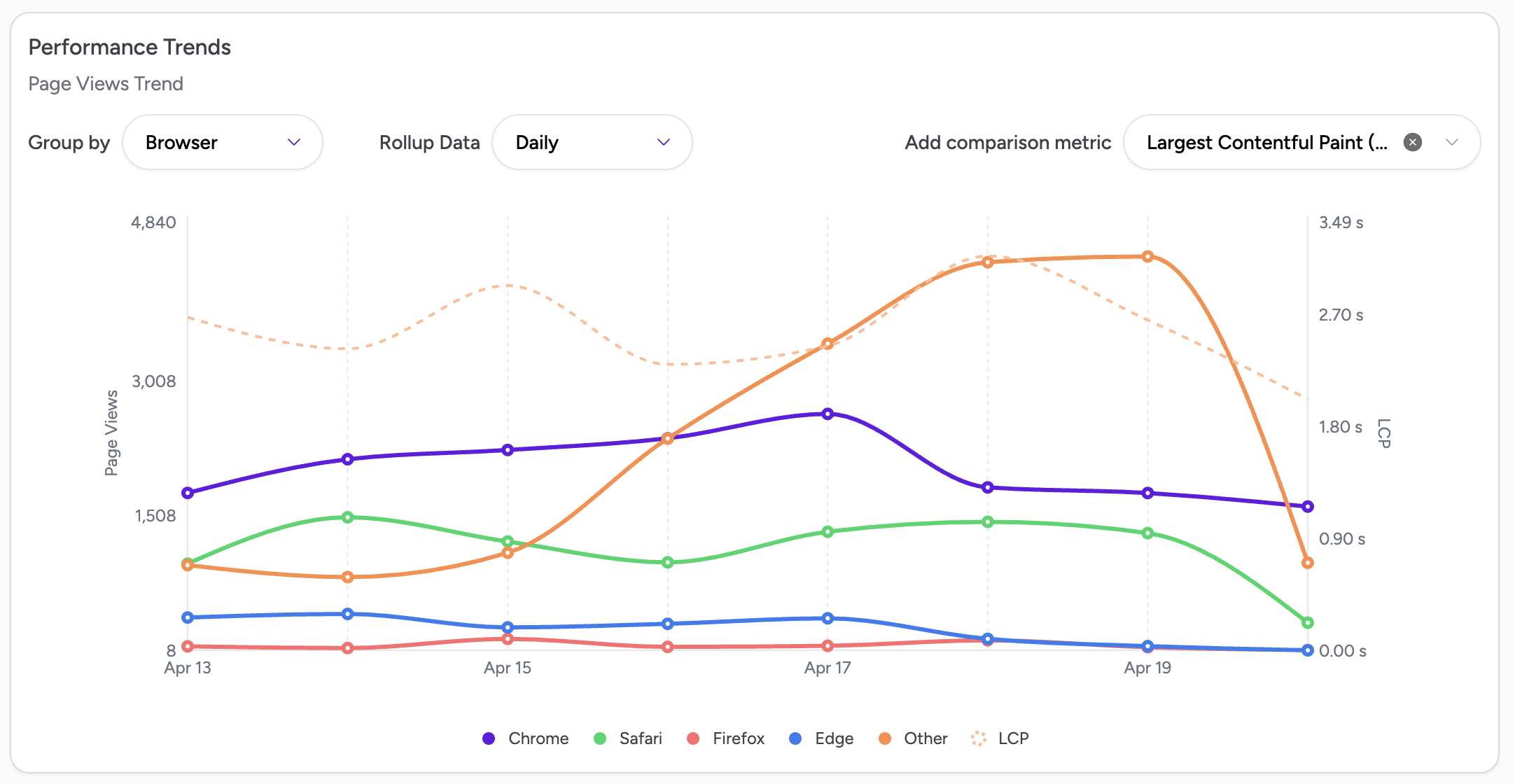


I appreciate the real-time monitoring and visibility Yottaa provides into third-party performance, which helps in effectively managing them without blocking or removing the scripts. It's great that Yottaa allows us to control and prioritize scripts, improving the critical rendering path and overall site performance without requiring significant refactoring of our existing codebase. I also find it beneficial that Yottaa improves core web vitals, particularly the time to interactive on pages heavy with external logs. Yottaa's edge layer optimization between the site and user origin has helped us manage integrations and analytics in an efficient way. The performance of our site has notably improved. Avis collecté par et hébergé sur G2.com.
The debugging and visibility could be more developer-friendly since developers often rely on real-time data access. While the platform provides insight into third-party performance, it sometimes complicates things with inside-the-browser tools, mapping them to specific edge stacks, and it's not always straightforward. Dependency management can also be improved. Also, there's a lack of straightforward documentation for the platform, making it challenging to document skills and skill sets effectively. Additionally, the price is a bit high for the asset product. The initial setup, especially connecting to the CDN or DNS level integration, is a bit complex. Even small misconfigurations can affect routing, caching, and SSL behavior. Managing script dependencies can also be tricky; if not configured correctly, it can lead to issues like rebinding or UI components not loading as expected. Avis collecté par et hébergé sur G2.com.