



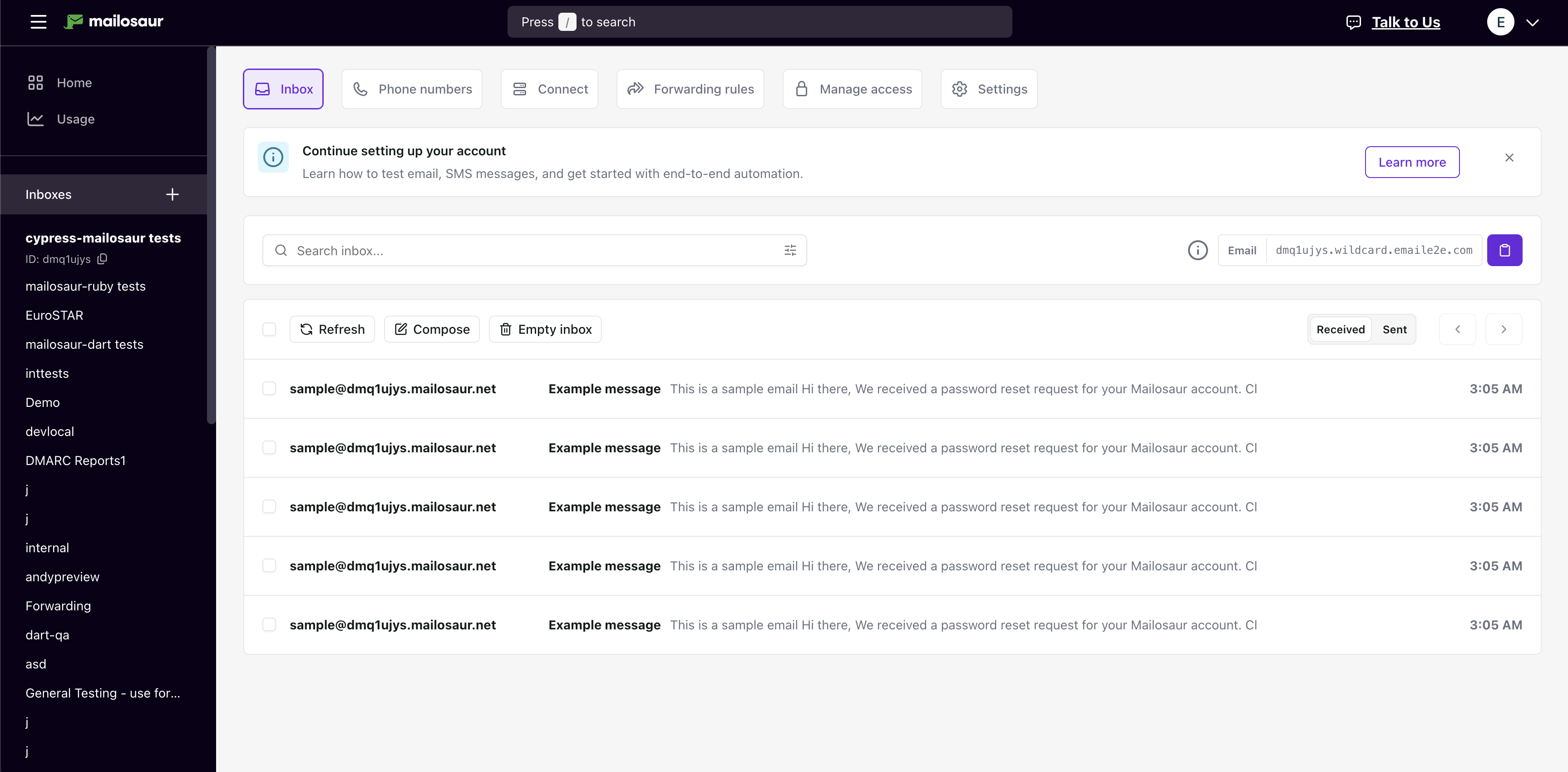

We piloted Mailosaur to solve a specific, painful problem: our CIAM
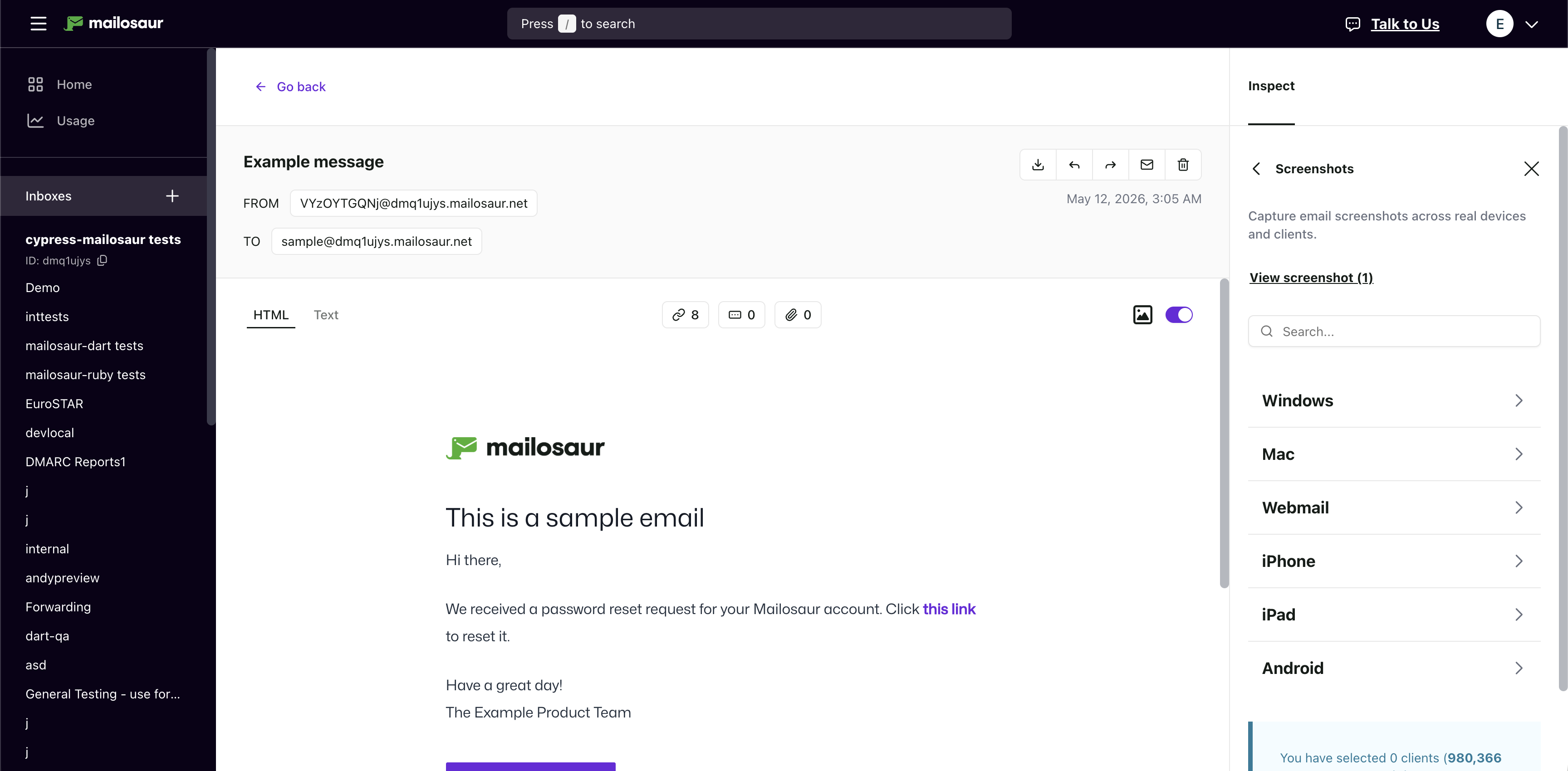
magic-link sign-in flow needs an automated test to receive a real
Firebase email, extract the one-time code, and complete the round-trip —
all without a human clicking a link. The two things that made it work
for us:
1. **Real HTTP/SDK access.** Our prior tooling was a screen-scraped
public inbox, which meant any API-tier regression that needed the
email body had to fall back to a UI runner. With Mailosaur we drove
the same flow from Loadmill (REST), Postman/Newman (REST), and
Playwright (the Node SDK) — same backend, three layers of test
coverage, no UI scraping.
2. **Per-run inbox isolation under one server domain.** Being able to
mint a fresh local-part on demand under `*@<serverId>.mailosaur.net`
killed the entire class of flake we'd been fighting where the
"newest email" heuristic would pick up a leftover from a prior run.
The `receivedAfter` filter on the search/get APIs cleanly enforces
it.
Wall-clock was also a quiet win — the new-customer magic-link flow ran
~30s end-to-end on Mailosaur vs ~42s on the previous tooling. Reseña recopilada por y alojada en G2.com.
Honestly, very little for a POC of this size. One thing worth flagging
for other Firebase users: the SDK's time-window message search can
return matches you don't expect if you're not careful with the
`receivedAfter` cursor — once we switched to a snapshot-then-poll-by-ID
pattern it was deterministic across runs. Reseña recopilada por y alojada en G2.com.


