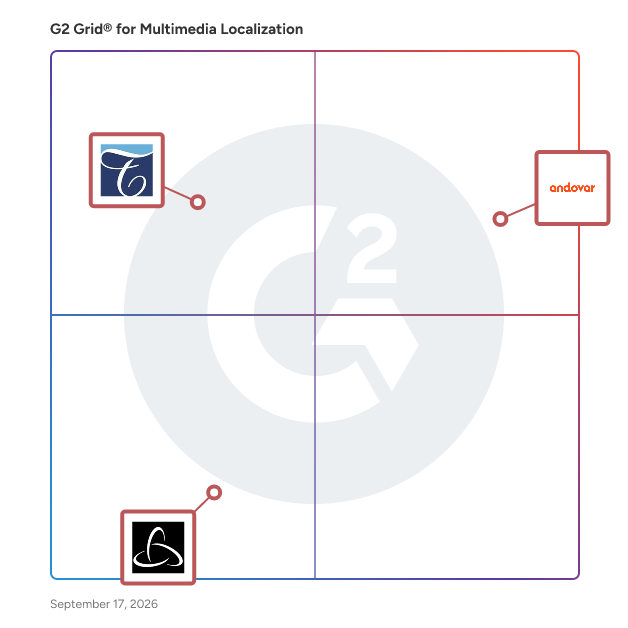
Multimedia localization is the process of modifying multimedia, such as video or audio, to adapt to the needs and preferences of people in a different geographic region. Translation solutions are often the main component of multimedia localization but providers take other aspects into consideration such as adapting to local regulations and cultural differences. Multimedia localization providers typically employ local translators, editors, and media specialists to ensure a seamless transition. Clients may utilize multimedia localization services when looking to expand media to other regions, in a well-functioning form that adapts to the local language, culture, and regulations. For example, multimedia localization services could be used when a business is expanding to a new country. Localization providers could modify videos on their website by implementing a voice-over in a new language. Localization can be considered essential in order for multimedia to be accessible for users with a different native language. In cases that do not involve a complete translation, some form of localization may still be seen as useful or welcoming to potential customers and possibly result in a larger userbase. Other types of localization, such as eLearning localization and marketing localization, are offered in similar services by providers.