Multi-Faktor-Authentifizierungssoftware (MFA) Ressourcen
Artikel, Glossarbegriffe, Diskussionen, und Berichte, um Ihr Wissen über Multi-Faktor-Authentifizierungssoftware (MFA) zu erweitern
Ressourcenseiten sind darauf ausgelegt, Ihnen einen Querschnitt der Informationen zu bieten, die wir zu spezifischen Kategorien haben. Sie finden Artikel von unseren Experten, Funktionsdefinitionen, Diskussionen von Benutzern wie Ihnen, und Berichte aus Branchendaten.
Multi-Faktor-Authentifizierungssoftware (MFA) Artikel
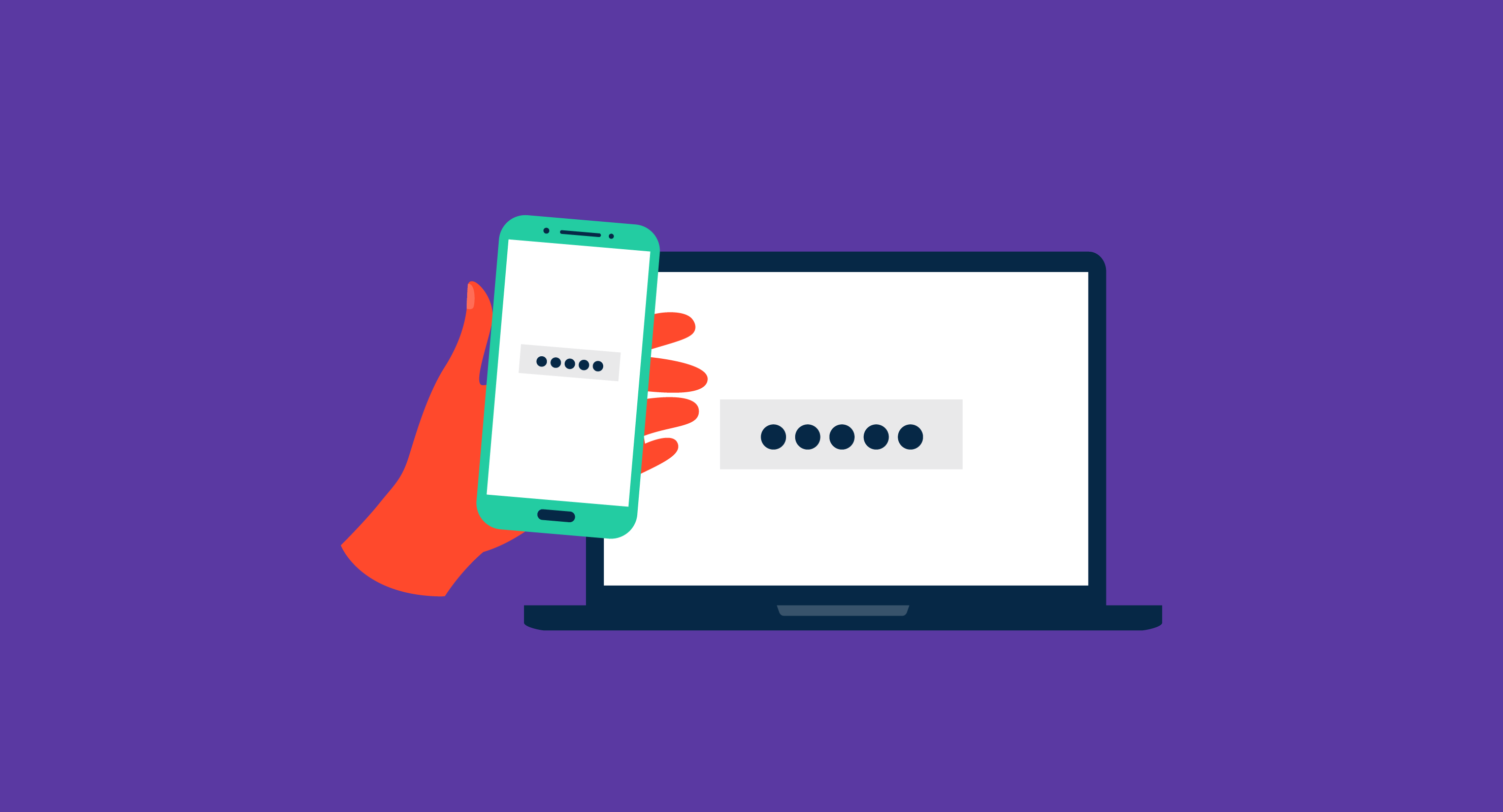
Was ist Multi-Faktor-Authentifizierung (MFA)? Arten und Vorteile
Was uns die Benutzer von Multi-Faktor-Authentifizierungssoftware (MFA) sagten: Sommer 2022

Rangliste der Multi-Faktor-Authentifizierungssoftware basierend auf G2-Bewertungen

Zwei-Faktor-Authentifizierung: Eine wertvolle Ergänzung zur Kontosicherheit
Was ist Single Sign-on? Wie macht es die Authentifizierung einfach?
Wie FIDO-Standards die Authentifizierung einfach und sicher machen
2021 Trends in der Cybersicherheit
Die Benutzerakzeptanz ist der Schlüssel zur Berechnung des ROI für Sicherheitslösungen.
Infografik: Wie man eine Remote-Belegschaft sichert
COVID-19 erzeugt Sicherheitsbedenken für schnell wachsende, ungeschützte Belegschaft
Der ultimative Leitfaden zur passwortlosen Authentifizierung
Analyse der API-Sicherheit in der Multicloud-Welt
Herausforderungen des Managements und der Sicherheit von Multicloud-Lösungen
Multi-Faktor-Authentifizierungssoftware (MFA) Glossarbegriffe
Multi-Faktor-Authentifizierungssoftware (MFA) Diskussionen
Preventing account takeover (ATO) attacks is a top concern for organizations, and static MFA alone is not enough. Today’s CIAM platforms need to use phishing-resistant authentication, adaptive MFA, and risk-based decisions to block attacks while keeping the user experience smooth. The strongest solutions let teams adjust authentication based on context, connect with fraud and risk signals, and update defenses as threats evolve.
Modern applications need authentication that balances strong security with low friction. Passwordless methods reduce reliance on credentials, while adaptive MFA ensures additional verification is only required when risk is detected. The best providers combine these capabilities into cohesive user journeys that improve conversion, reduce account takeover risk, and maintain a consistent experience across devices and channels.
Startups need authentication solutions that are quick to implement, require minimal custom code, and can evolve as the product grows. Early-stage teams often prioritize fast time to market, but still need support for MFA, social login, and eventually SSO and multi-tenancy without rebuilding their auth stack later.