Virtual Desktop Infrastructure (VDI) Software Resources - Page 2
Articles, Glossary Terms, Discussions, and Reports to expand your knowledge on Virtual Desktop Infrastructure (VDI) Software
Resource pages are designed to give you a cross-section of information we have on specific categories. You'll find articles from our experts, feature definitions, discussions from users like you, and reports from industry data.
Virtual Desktop Infrastructure (VDI) Software Articles

How to Turn VDI Into a Remote Worker's Dream

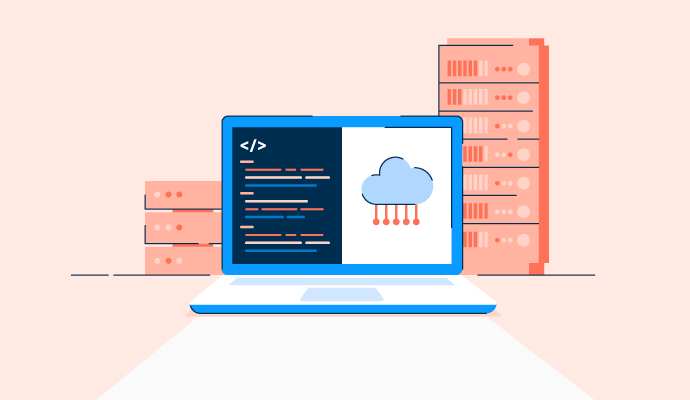
What Is Software-defined Storage? Benefits and Best Solutions

How to Stay Organized When Closing Books Remotely

How VDI Security Can Offer Your Business Peace of Mind
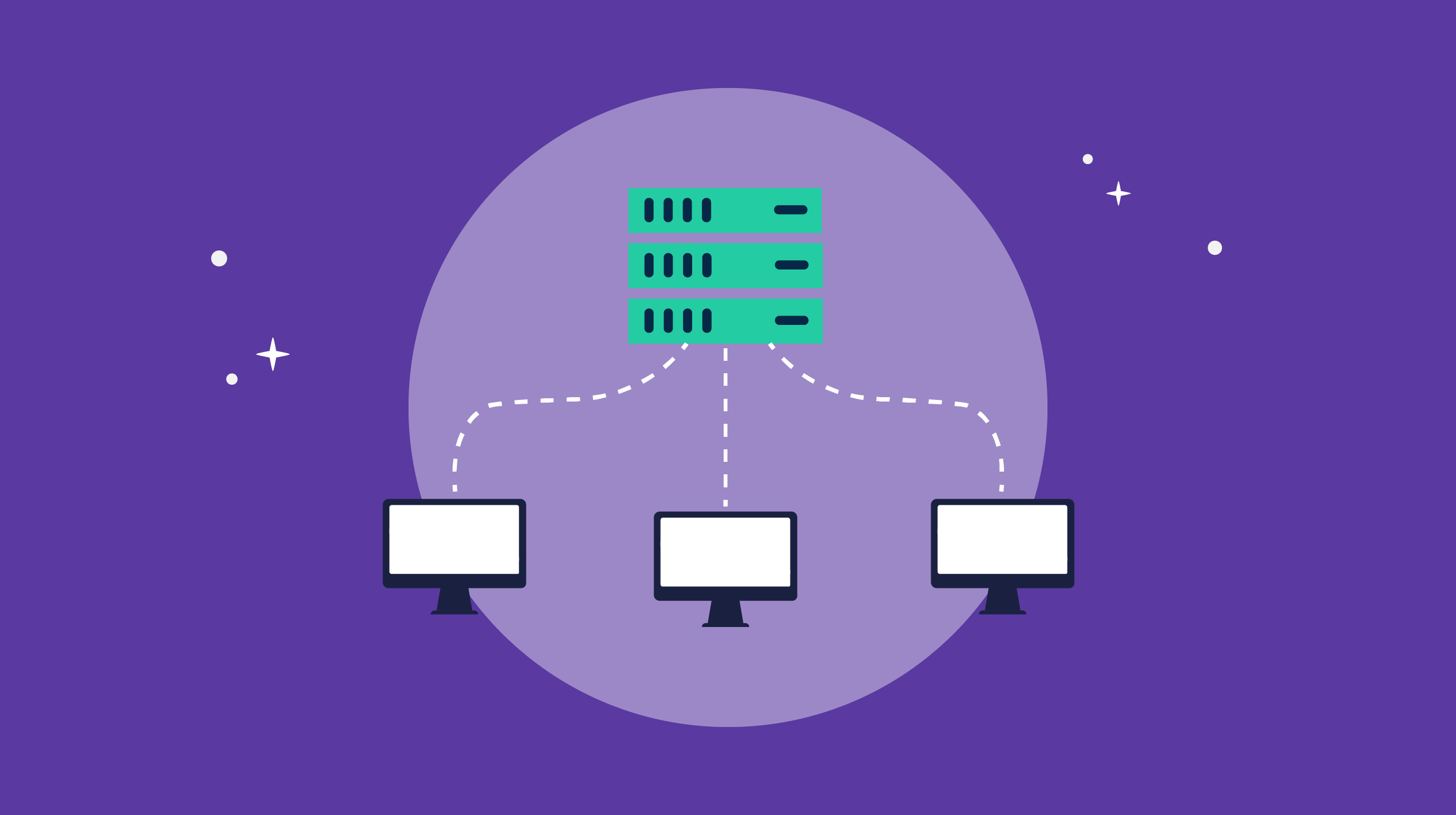
VDI Implementation: It Doesn't Have to Be a Headache

How COVID-19 Is Impacting Data Professionals

The G2 on the Cloud: The History of Cloud Adoption
Virtual Desktop Infrastructure (VDI) Software Glossary Terms

A virtual desktop is an operating system hosted on a central server and streamed to any device. Learn how virtual desktops work, plus their pros and cons.

Hyperconverged storage is an element of hyperconverged infrastructure. Discover how hyperconvergence works and helps organizations scale.
Virtual Desktop Infrastructure (VDI) Software Discussions
We are a reseller and would like a more customized Deltaform Technology experience to end users
The honest answer from the review base is: it depends heavily on your starting point. Citrix DaaS is genuinely excellent at enterprise-grade security and centralized management for large, distributed workforces. Whether it's "worth it" for ease of use is a different question, and the reviews are pretty clear on where that breaks down.
From reviews in the virtual desktop infrastructure (VDI) category on Citrix specifically, and the alternatives that come up when teams walk away:
- Citrix DaaS: What reviewers say works: enterprise-scale management, MCS-based VM deployment, multi-authentication support, HDX protocol optimization, and the ability to publish individual apps rather than full desktops. Reviewers at healthcare, financial services, and large IT organizations describe it as the standard for good reason. What reviewers say doesn't work: licensing is genuinely expensive, setup complexity is real, and the end-user experience can degrade with bandwidth issues. If you're an IT team managing a 5,000-person enterprise where security requirements are non-negotiable, the complexity is justified. Does your organization have dedicated VDI administration capacity to configure and maintain it on an ongoing basis, or would it sit partially configured?
- Nerdio Manager: The alternative that comes up most for organizations evaluating Citrix and landing on something different. The High Performer placement on the Enterprise Grid with a 93 satisfaction score versus Citrix's 66 tells a story. Reviewers describe it as delivering the Microsoft Azure security model, centralized policy enforcement, and role-based controls with less operational overhead than Citrix. The catch is that it's Azure-native, so it's not the right answer for organizations that aren't standardized on Microsoft infrastructure. If you're already in Azure, is the reason you're evaluating Citrix because of a feature it has, or because it's what was there before Azure became the default?
- Kasm Workspaces: The alternative that comes up for teams where security is the priority, but the budget or complexity of Citrix isn't justified. Zero-trust architecture, DLP controls, session isolation, and browser-based access without endpoint software. Reviewers describe it as replacing RDP infrastructure with something that's both more secure and easier for end users to access. The enterprise security is structural rather than configurable, which is either a feature or a limitation, depending on your compliance requirements.
- V2 Cloud: Comes up for teams where "enterprise-grade security" means data off personal devices and centralized access control, not configurable compliance frameworks. For those requirements, reviewers describe it as delivering with far less overhead. For teams where security means deep policy enforcement and audit logging, it's not the right fit.
What's the specific Citrix feature your team actually uses that would be difficult to replicate elsewhere? That question narrows the field faster than most vendor comparisons.
Whether it's worth it splits on scale, not on the feature list. At a large size with strict controls, the security and central management justify the learning curve and cost; smaller teams tend to pay for depth they never fully use. The snag is that ease of use and Citrix's strengths pull in opposite directions, so you rarely get both at full strength at once. If ease matters as much as security, it's reasonable to shortlist lighter platforms alongside it rather than treating Citrix as the default.