


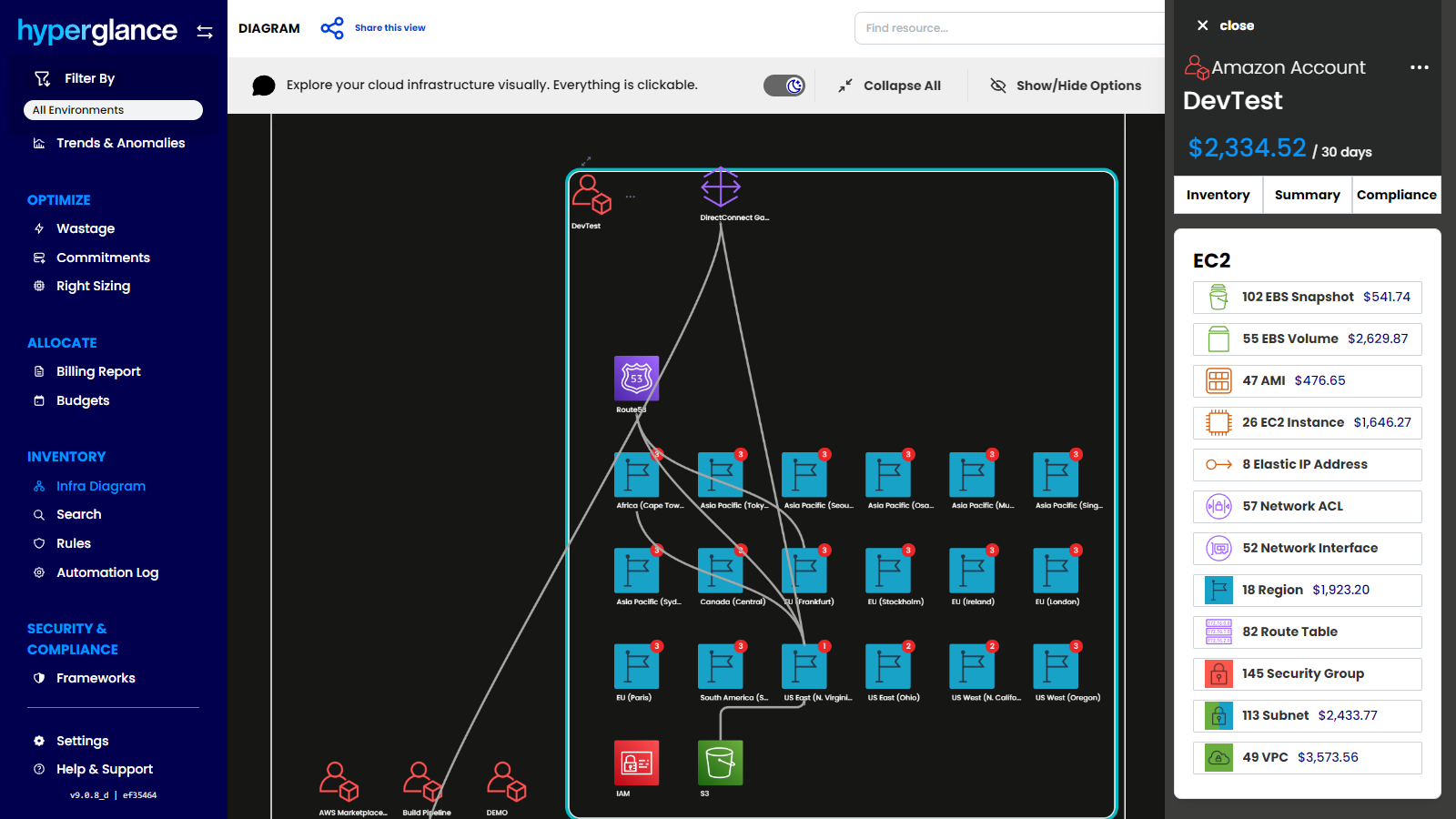

What I like best about Hyperglance is that it makes complex cloud environments much easier to understand visually. Instead of relying only on native cloud consoles, spreadsheets, or manual diagrams, Hyperglance can provide a more unified view of cloud resources, relationships, and architecture.
The visual diagrams and inventory views are especially useful because they help teams quickly understand what exists in the environment and how resources are connected. This is valuable for architects, engineers, security teams, and FinOps users who need to make decisions based on the actual state of the cloud.
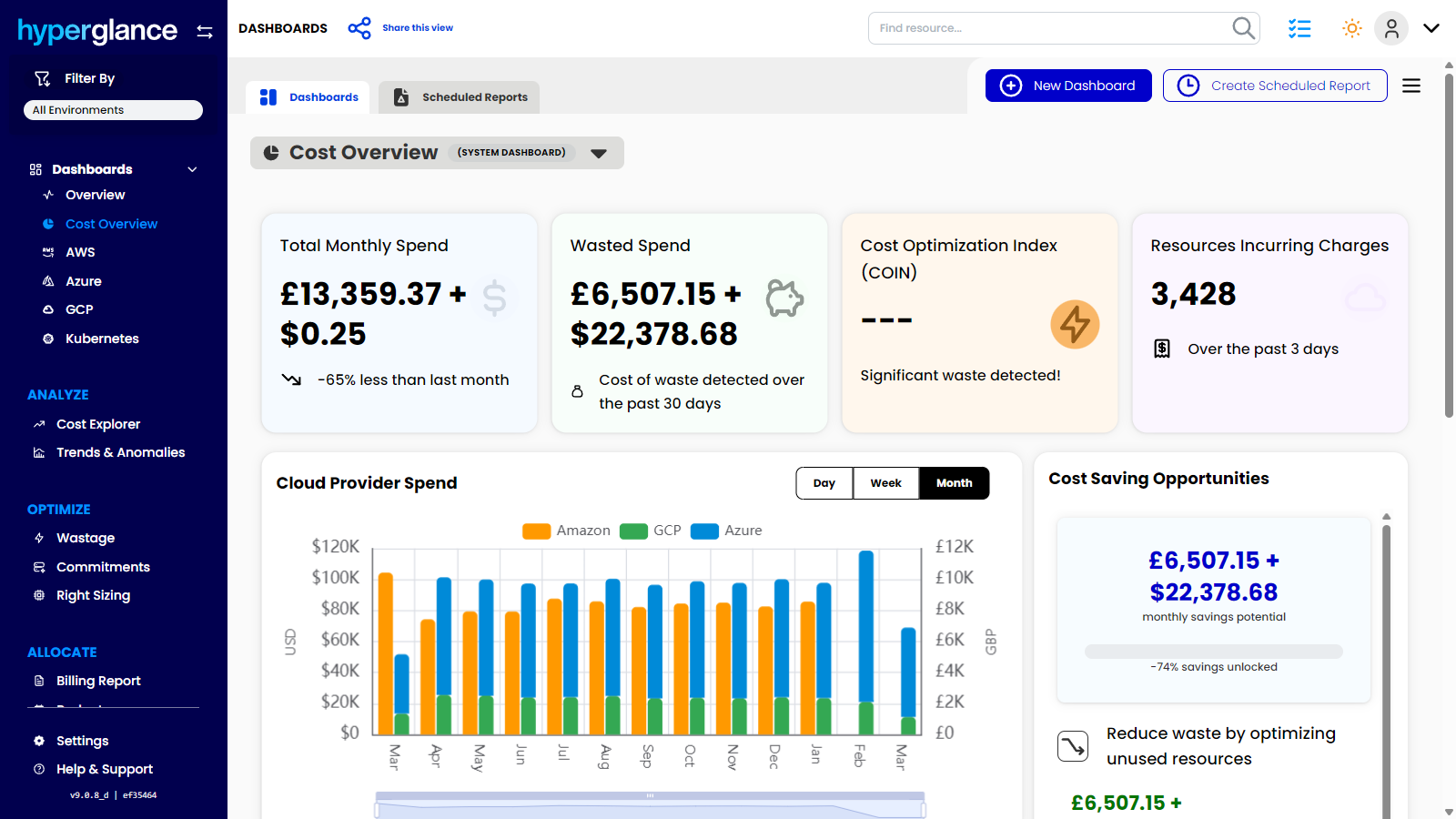
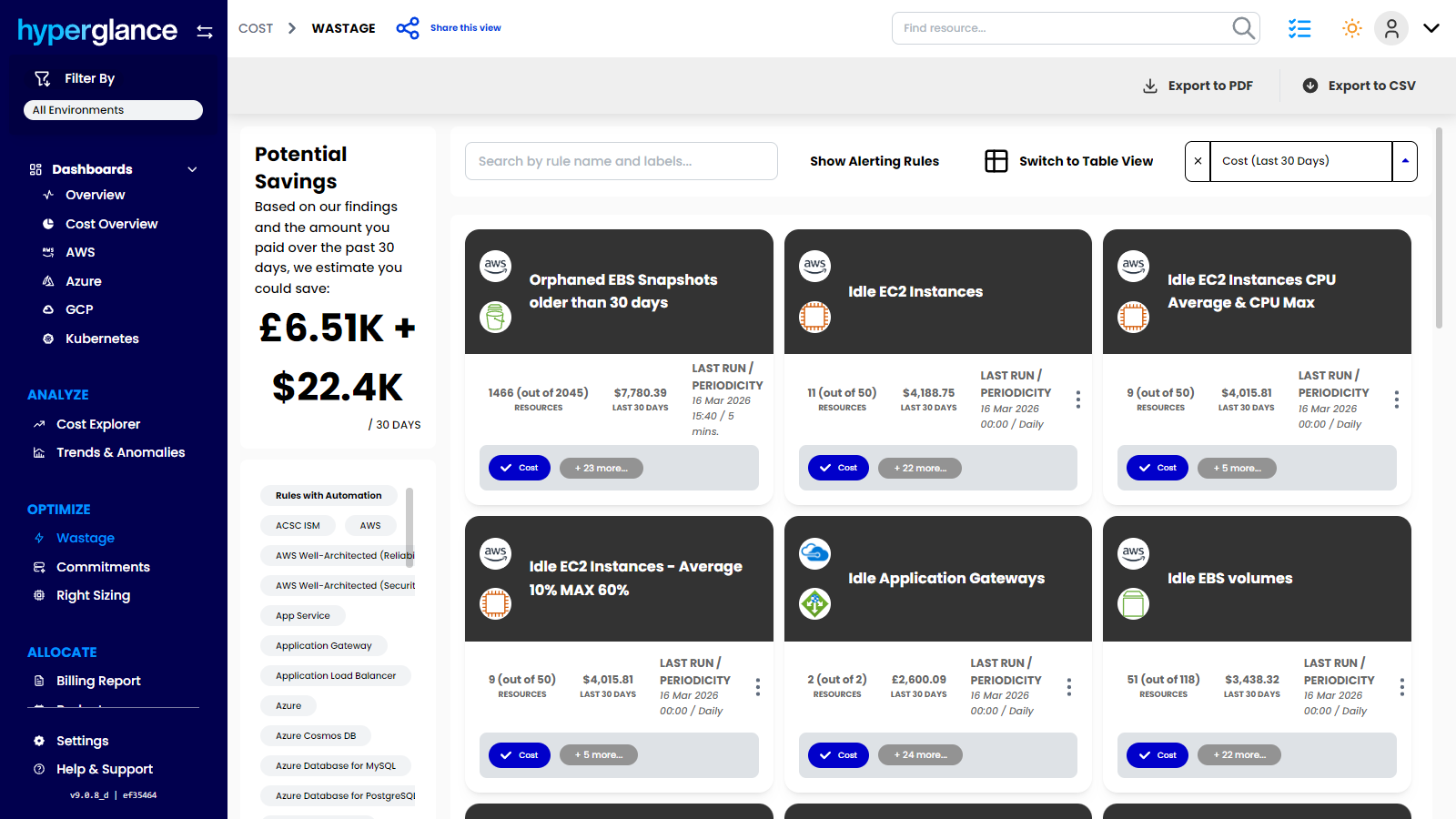
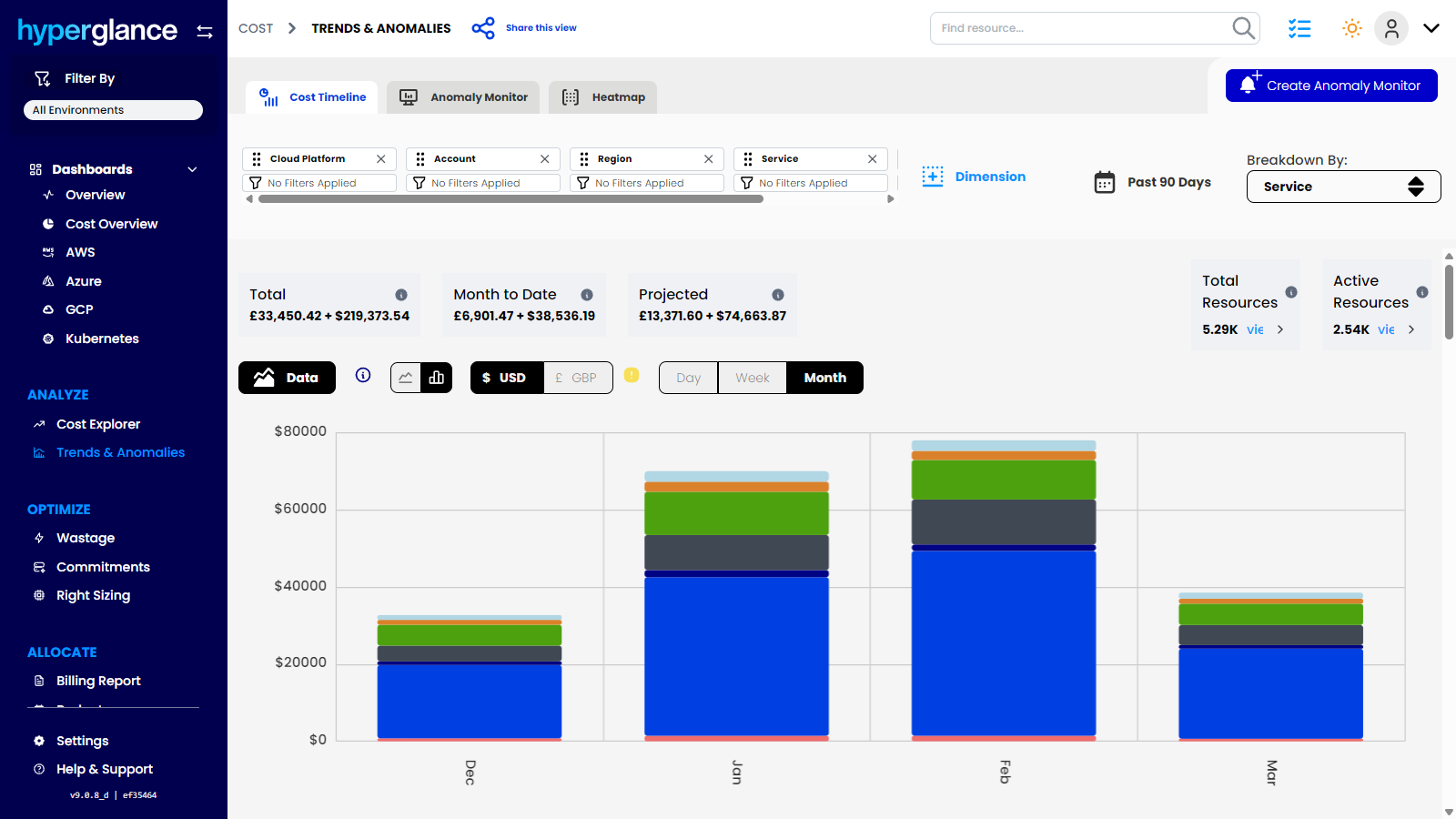
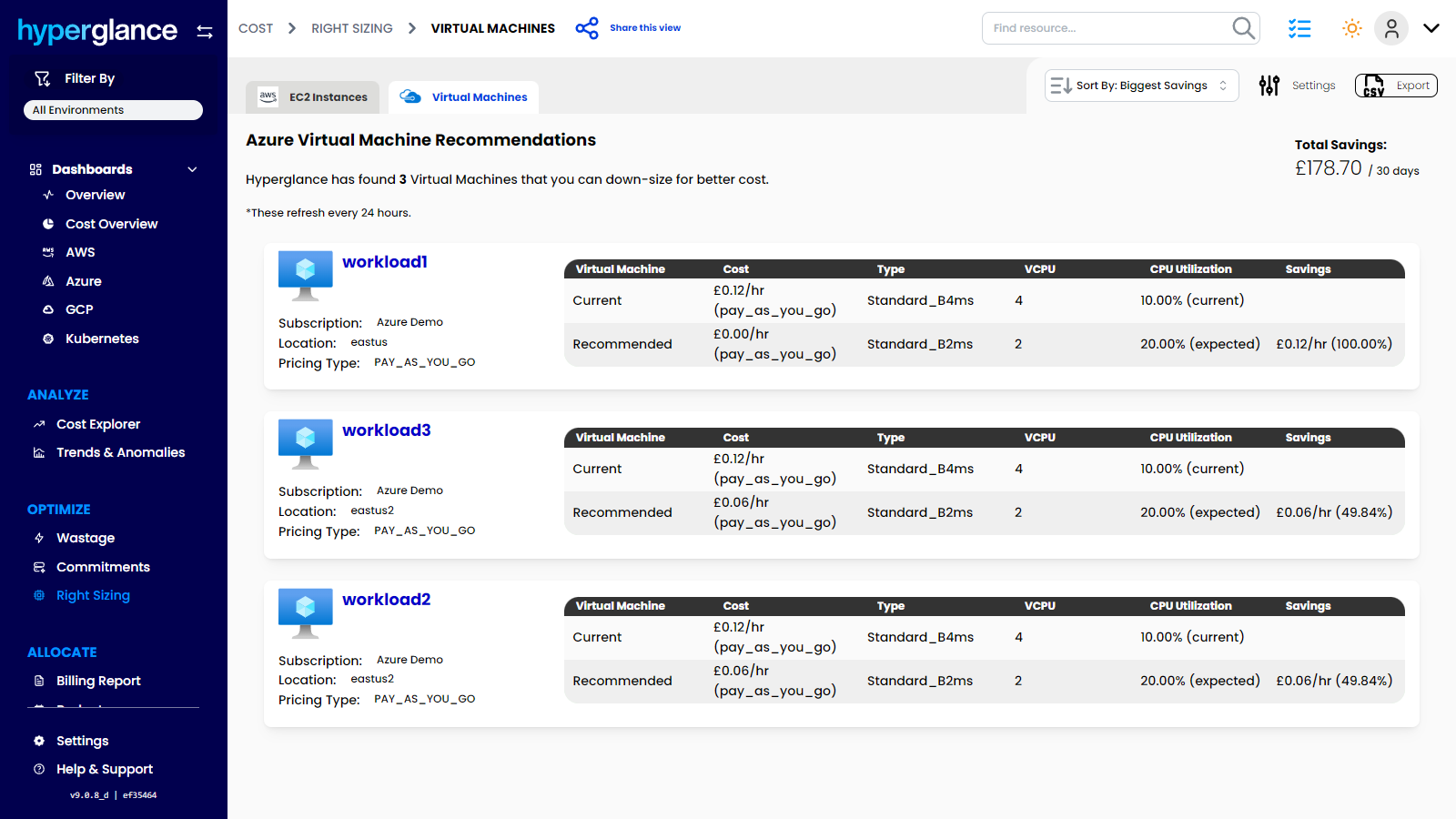
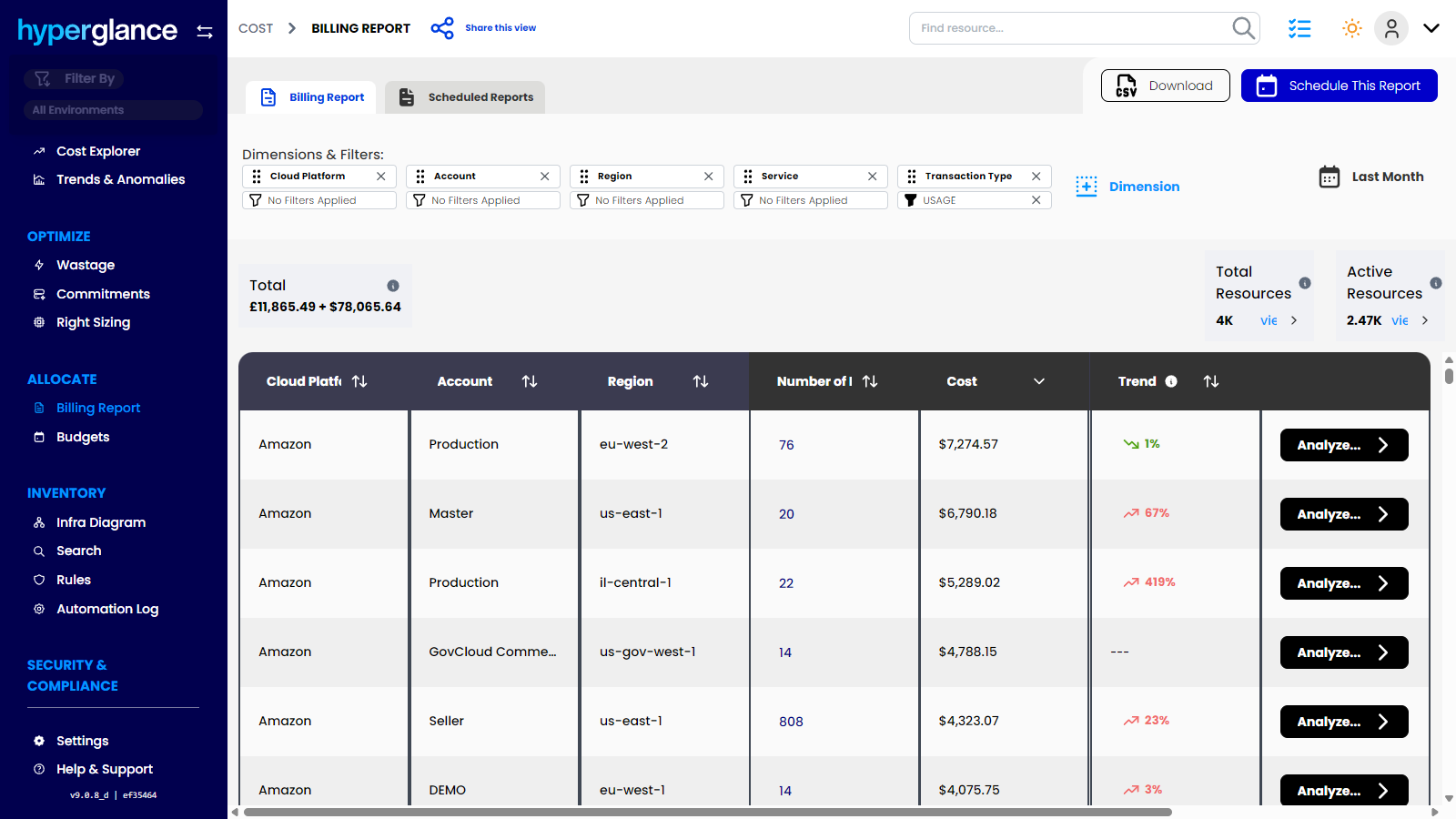
I also like that Hyperglance combines visibility with practical operational use cases such as cost optimization, security and compliance monitoring, alerts, and automation. That makes it more useful than a static documentation tool because it can help identify risks, waste, and configuration issues in the live cloud environment.
Overall, the best part of Hyperglance is that it turns cloud complexity into something easier to explore, explain, and act on. Avis collecté par et hébergé sur G2.com.
What I dislike about Hyperglance is that the value depends heavily on how complex and well-organized the cloud environment already is. If the environment has inconsistent tagging, unclear ownership, unused resources, or weak governance, Hyperglance can expose those problems clearly, but it does not automatically solve the underlying process issues.
There can also be a learning curve for teams that are not used to thinking about cloud architecture visually. The diagrams and resource relationships are very useful, but users still need enough cloud knowledge to interpret what they are seeing and decide what action to take.
Another area for improvement is that teams may need time to tune alerts, rules, filters, and views so the platform highlights the most important issues without creating noise. In larger environments, the amount of information can be overwhelming at first, so the initial setup and configuration approach matters a lot.
Overall, I think Hyperglance is powerful, but it works best when the organization already has some cloud governance discipline and clear owners for acting on the insights it provides. Avis collecté par et hébergé sur G2.com.


