Cloud Workload Protection Platforms Resources
Articles, Glossary Terms, Discussions, and Reports to expand your knowledge on Cloud Workload Protection Platforms
Resource pages are designed to give you a cross-section of information we have on specific categories. You'll find articles from our experts, feature definitions, discussions from users like you, and reports from industry data.
Cloud Workload Protection Platforms Articles
What Is CSPM? How It Ensures a Secure Cloud Environment


Securing the Cloud with Cloud Native-Application Protection Platform (CNAPP)

Computer Viruses Return As the Coronavirus Continues to Spread
Challenges of Multicloud Solution Management and Security
Cloud Workload Protection Platforms Glossary Terms
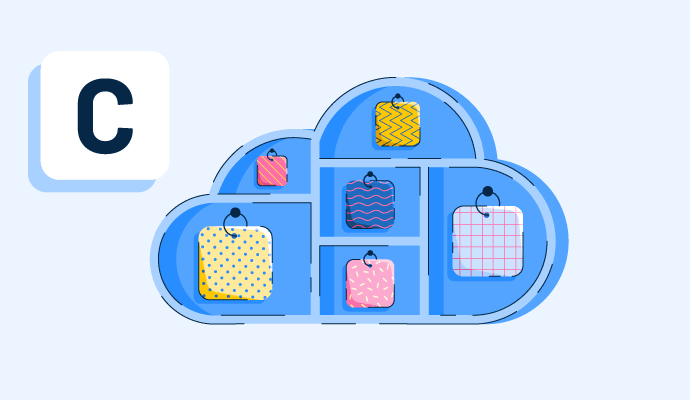
Cloud-native applications are built to reside on cloud platforms to offer more agility. Learn about their benefits, security measures, and key features.
Explore our Technology Glossary
Browse through dozens of terms to better understand the products you purchase and use everyday.
Cloud Workload Protection Platforms Discussions
There are many Cloud Workload Protection Platforms that look impressive in demos and produce staggering alert volumes in production. The ones that CISOs stick with are the ones that turn that volume into a prioritized signal rather than just surfacing every finding at equal severity. Looking for honest input on long-term retention.
- Wiz: The Security Graph connects vulnerabilities, misconfigurations, internet exposure, and over-privileged identities into contextual attack paths rather than isolated findings. The result is that an analyst who might have spent days hunting a toxic combination gets it surfaced within hours of rollout. The alert volume problem becomes a prioritization engine rather than a noise machine. The AI assistant Mika answers security questions in plain language and can write complex security graph searches for rapid triaging.
- Orca Security: The SideScanning™ technology provides deep visibility into the full cloud estate, without requiring agents on every workload. Filtering out noise and surfacing risks that fall along real attack paths, rather than theoretical package issues, is the mechanism that retains CISO confidence over time.
- Sysdig Secure: It surface only the vulnerabilities that are actually loaded and active in production rather than everything present in the image. Threat detection at the runtime layer stops threats in real time rather than after the scan cycle. CISOs running Kubernetes-heavy environments specifically credit it for providing the level of runtime context that agentless scanning cannot deliver.
- TrendAI Vision One – Cloud Security: Unified protection across on-premises and cloud environments from a single console addresses the hybrid environment problem that CISOs inheriting legacy infrastructure face. Provides consistent policy, real-time threat detection, and compliance monitoring without maintaining separate tools for each layer.
- Check Point CloudGuard CNAPP: Posture management and CWPP combined in a single platform allows CISOs to manage cloud risk from a unified interface rather than maintaining separate CSPM and workload protection tools. The CI/CD integration catches misconfigurations and secrets pre-deployment, which reduces the alert volume that arrives in production by addressing issues earlier in the lifecycle.
For CISOs who have been through the first six months with one of these platforms, what was the inflection point where alert volume stopped being the primary pain and prioritization started actually working? And was it a platform feature or a process change that got you there?
The inflection point usually seems to come when teams stop treating every finding equally and tune workflows around attack paths, asset criticality, and ownership. Platform features help, but the real improvement comes when the process around triage and remediation catches up.
That process-change point helps answer what I was asking earlier. If teams eventually stop treating every alert equally, the better long-term test may be how easily the platform lets them encode those priorities into daily workflows. I’d be curious whether that tuning stays manageable as the cloud environment changes.
What I like about Sysdig Secure's approach is that it only surfaces vulnerabilities actually loaded and running in production, not everything sitting dormant in the image. That distinction is what actually cuts alert noise long term, more than any dashboard tweak. It changes the daily habit from triaging a huge list to reacting to what's actually live, which tends to be what keeps a team using a tool past the first few months.
There are many Cloud Workload Protection Platforms that look impressive in demos and produce staggering alert volumes in production. The ones that CISOs stick with are the ones that turn that volume into a prioritized signal rather than just surfacing every finding at equal severity. Looking for honest input on long-term retention.
- Wiz: The Security Graph connects vulnerabilities, misconfigurations, internet exposure, and over-privileged identities into contextual attack paths rather than isolated findings. The result is that an analyst who might have spent days hunting a toxic combination gets it surfaced within hours of rollout. The alert volume problem becomes a prioritization engine rather than a noise machine. The AI assistant Mika answers security questions in plain language and can write complex security graph searches for rapid triaging.
- Orca Security: The SideScanning™ technology provides deep visibility into the full cloud estate, without requiring agents on every workload. Filtering out noise and surfacing risks that fall along real attack paths, rather than theoretical package issues, is the mechanism that retains CISO confidence over time.
- Sysdig Secure: It surface only the vulnerabilities that are actually loaded and active in production rather than everything present in the image. Threat detection at the runtime layer stops threats in real time rather than after the scan cycle. CISOs running Kubernetes-heavy environments specifically credit it for providing the level of runtime context that agentless scanning cannot deliver.
- TrendAI Vision One – Cloud Security: Unified protection across on-premises and cloud environments from a single console addresses the hybrid environment problem that CISOs inheriting legacy infrastructure face. Provides consistent policy, real-time threat detection, and compliance monitoring without maintaining separate tools for each layer.
- Check Point CloudGuard CNAPP: Posture management and CWPP combined in a single platform allows CISOs to manage cloud risk from a unified interface rather than maintaining separate CSPM and workload protection tools. The CI/CD integration catches misconfigurations and secrets pre-deployment, which reduces the alert volume that arrives in production by addressing issues earlier in the lifecycle.
For CISOs who have been through the first six months with one of these platforms, what was the inflection point where alert volume stopped being the primary pain and prioritization started actually working? And was it a platform feature or a process change that got you there?
The inflection point usually seems to come when teams stop treating every finding equally and tune workflows around attack paths, asset criticality, and ownership. Platform features help, but the real improvement comes when the process around triage and remediation catches up.
That process-change point helps answer what I was asking earlier. If teams eventually stop treating every alert equally, the better long-term test may be how easily the platform lets them encode those priorities into daily workflows. I’d be curious whether that tuning stays manageable as the cloud environment changes.
What I like about Sysdig Secure's approach is that it only surfaces vulnerabilities actually loaded and running in production, not everything sitting dormant in the image. That distinction is what actually cuts alert noise long term, more than any dashboard tweak. It changes the daily habit from triaging a huge list to reacting to what's actually live, which tends to be what keeps a team using a tool past the first few months.
Enterprise CWPP needs often include scale, complex IAM, global monitoring, integrations, and mature governance. CWPPs are foundational for large organizations running diverse workloads (VMs, containers, serverless). We’re currently exploring:
- Wiz – for large-scale visibility and risk prioritization.
- Sysdig Secure – for enterprise-grade runtime protection in cloud-native stacks.
- CrowdStrike Falcon Cloud Security – for enterprise detection/response pedigree extended to cloud workloads.
- Microsoft Defender for Cloud – for scale in Azure-heavy enterprise environments.
- Which CWPPs handle high-volume enterprise workloads best?
- Any challenges with deployment, governance, or cross-team workflows?
Which of these tools would you best recommend?
What enterprise features stand out most (automation, integrations, RBAC depth, global tenancy)?