Network Management Tools Resources - Page 12
Related Content, Glossary Terms, Discussions, and Reports to expand your knowledge on Network Management Tools
Resource pages are designed to give you a cross-section of information we have on specific categories. You'll find related content from our experts, feature definitions, discussions from users like you, and reports from industry data.
Related Content
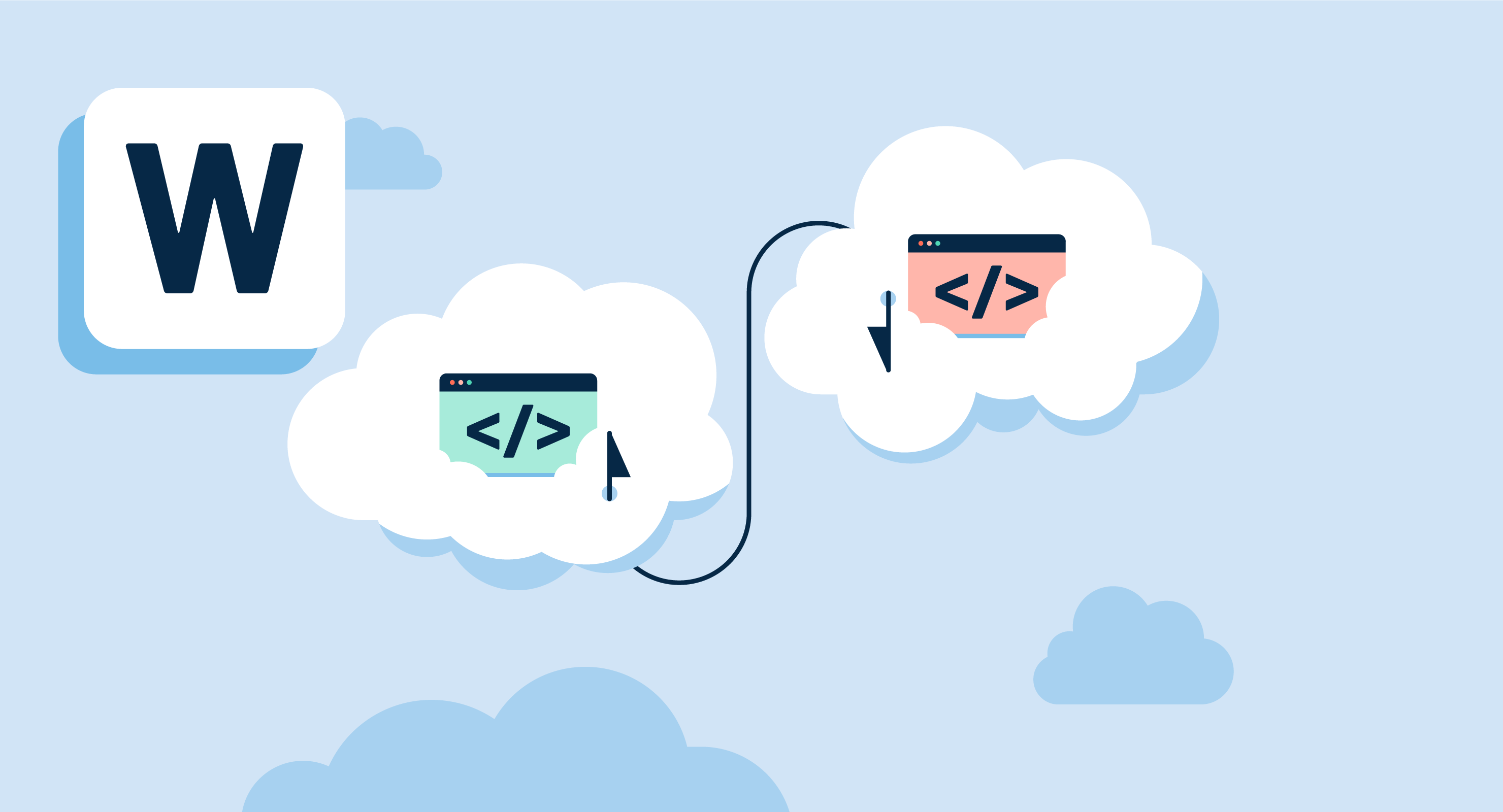
WAN vs. LAN: Key Differences, Ports, and Top Tools
TL;DR: WAN vs. LAN
What is the difference between WAN and LAN? A LAN connects devices inside one building or campus. A WAN connects multiple LANs across cities, countries, or continents. LANs are faster and cheaper to run, while WANs reach farther but have higher latency and cost.
What is a LAN? A local area network is a privately owned network that links computers, printers, servers, and access points in a limited area, usually over Ethernet switches and Wi-Fi.
What is a WAN? A wide area network links separate LANs over leased lines, MPLS, SD-WAN, broadband VPNs, or wireless links. The internet is the largest WAN.
What are WAN and LAN ports on a router? The WAN (Internet) port connects the router to your modem or ISP. LAN ports connect your own devices to the router.
Which network management tools are highest rated on G2? Check Point Next Generation Firewalls, OpManager Nexus, Auvik, ManageEngine Network Configuration Manager, and BackBox have the top G2 Scores in the Fall 2026 Grid® Report for network management tools.
by Yashwathy Marudhachalam
What Is Backhaul? How to Develop a Robust Network Backbone

A decade ago, nobody could have imagined that buffering would become a distant dream or that something like 5G and wireless fiber networks would put unparalleled internet speed at the heart of our daily lives. Staying connected wherever we go is no longer a fantasy; it’s almost mundane.
by Washija Kazim
Top 9 IoT Vulnerabilities to Enhance IoT Security in 2023

Have you ever left your home keys under a potted plant, thinking it would be safe there? But then you realize the pot is in plain sight and is the first place a thief would check if they were trying to rob you. Finding a more secure spot for your spare key and taking other precautions helps safeguard your home and all its valuable possessions.
by Tanuja Bahirat
Network Topology Makes Network Management Easier
When a company has thousands of network devices, the system administrators have to use network management tools to monitor and control the entire network. A good way to visualize that is network topology, which maps all network elements and how they're connected. But how does network topology work and how can companies use this feature to benefit network management?
by Tian Lin
What Is a Network? Why It’s Important for Resource Sharing
While the name might sound simple, networking tends to be incredibly complex.
by Zack Busch
Network Management Tools Glossary Terms

Related Discussions
0
Question on: Check Point Next Generation Firewalls (NGFWs)
What are the types of application controls?
Applications are classified into categories, based on diverse criteria such as application type, security risk level, resource usage, productivity implications and more
0
Question on: OpManager Nexus
What is ManageEngine software?
Comment deleted by user.
ManageEngine crafts the industry’s broadest suite of IT management solutions, offering more than 120 products and free tools. ManageEngine offers everything you need to manage all of your IT operations, including networks, servers, applications, service desks, Active Directory, security, desktops, and mobile devices.
Since 2002, IT teams have turned to ManageEngine for affordable, feature-rich software that’s easy to use. ME's on-premises and cloud solutions power the IT of over 280,000 companies around the world, including nine of every ten Fortune 100 companies.
Learn more about ManageEngine, https://www.manageengine.com/
0
Question on: NetAct
What is NMS tool?
What is NMS tool?
"NMS" typically refers to Network Management System. A Network Management System is a set of hardware and/or software tools that allow network administrators to monitor, manage, and optimize the performance of computer networks. The primary goal of an NMS is to ensure the availability, reliability, and performance of networked resources.
Key functions of a Network Management System include:
Fault Management: Detecting, isolating, and resolving network issues or failures.
Performance Management: Monitoring and optimizing network performance to ensure efficient operation.
Configuration Management: Managing and controlling changes to network devices and settings.
Security Management: Implementing measures to protect the network from unauthorized access and potential security threats.
Accounting Management: Tracking network resource usage for billing or auditing purposes.
Topology Discovery: Mapping and documenting the physical and logical layout of the network.
NMS tools often use protocols like Simple Network Management Protocol (SNMP) to collect and exchange information with network devices such as routers, switches, servers, and more. These tools are crucial for maintaining the health and functionality of complex computer networks in organizations.
Reports
Mid-Market Grid® Report for Network Management Tools
Fall 2026
G2 Report: Grid® Report
Grid® Report for Network Management Tools
Fall 2026
G2 Report: Grid® Report
Enterprise Grid® Report for Network Management Tools
Fall 2026
G2 Report: Grid® Report
Momentum Grid® Report for Network Management Tools
Fall 2026
G2 Report: Momentum Grid® Report
Small-Business Grid® Report for Network Management Tools
Fall 2026
G2 Report: Grid® Report
Enterprise Grid® Report for Network Management Tools
Summer 2026
G2 Report: Grid® Report
Small-Business Grid® Report for Network Management Tools
Summer 2026
G2 Report: Grid® Report
Mid-Market Grid® Report for Network Management Tools
Summer 2026
G2 Report: Grid® Report
Grid® Report for Network Management Tools
Summer 2026
G2 Report: Grid® Report
Momentum Grid® Report for Network Management Tools
Summer 2026
G2 Report: Momentum Grid® Report