Big Data Integration Platforms Resources
Articles, Glossary Terms, Discussions, and Reports to expand your knowledge on Big Data Integration Platforms
Resource pages are designed to give you a cross-section of information we have on specific categories. You'll find articles from our experts, feature definitions, discussions from users like you, and reports from industry data.
Big Data Integration Platforms Articles
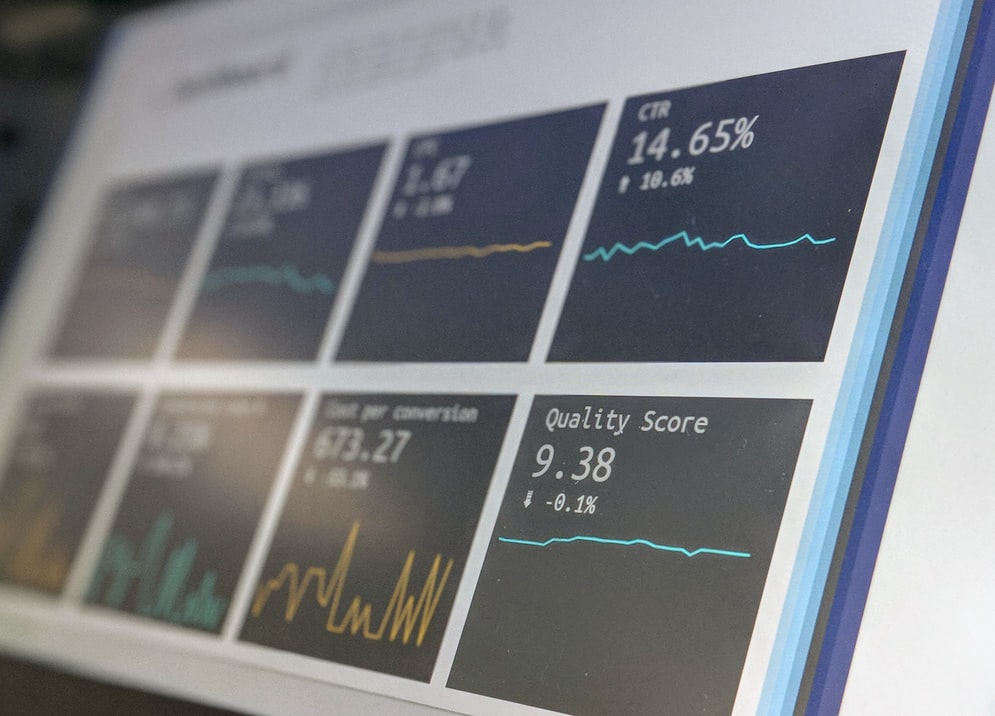
G2 Launches New Category for DataOps Platforms
Every transaction that we make creates data. From swiping your card while going grocery shopping, to closing a billion-dollar merger, each transaction creates several data points across the digital ecosystem. Although this is unstructured data, it's how we use these billions of data points to create and derive information that forms the underlying structure of data management and data science. Data value needs to be delivered to businesses as soon as possible, and converting this value into actionable insights is critical.
by Preethica Furtado
Big Data Integration Platforms Glossary Terms
Big Data Integration Platforms Discussions
0
Question on: Amazon Redshift
What does Amazon redshift do?
Redshift is data warehouse where data reside on cloud and on top of that we can query the required data.
Redshift is a cloud-based data warehouse service for large-scale data analytics and reporting.
0
Question on: IBM StreamSets
What is StreamSets tool?
StreamSets is a data integration platform, delivered as a SaaS. The platform lets you build, run, monitor and manage data pipelines at scale for modern analytics and hybrid integration use cases.
Our typical end users are data engineers and ETL developers.
0
Question on: AWS Glue
What are the features of glue?
AWS Glue is a fully managed extract, transform, and load (ETL) service offered by Amazon Web Services.
Features of AWS glue are
1.Data Catalog: AWS Glue provides a centralized metadata repository, making it easier to discover, manage, and query data across various data sources.
2.Data Transformation: It supports various built-in transformations and custom transformations using Python or Scala, enabling data cleansing, enrichment, and restructuring.
3.Schema Evolution: It can help manage schema changes over time, making it easier to handle evolving data structures.
Big Data Integration Platforms Reports
Grid® Report for Big Data Integration Platforms
Fall 2026
G2 Report: Grid® Report
Momentum Grid® Report for Big Data Integration Platforms
Fall 2026
G2 Report: Momentum Grid® Report
Enterprise Grid® Report for Big Data Integration Platforms
Fall 2026
G2 Report: Grid® Report
Momentum Grid® Report for Big Data Integration Platforms
Summer 2026
G2 Report: Momentum Grid® Report
Enterprise Grid® Report for Big Data Integration Platforms
Summer 2026
G2 Report: Grid® Report
Grid® Report for Big Data Integration Platforms
Summer 2026
G2 Report: Grid® Report
Momentum Grid® Report for Big Data Integration Platforms
Spring 2026
G2 Report: Momentum Grid® Report
Grid® Report for Big Data Integration Platforms
Spring 2026
G2 Report: Grid® Report
Enterprise Grid® Report for Big Data Integration Platforms
Spring 2026
G2 Report: Grid® Report


