Consensus
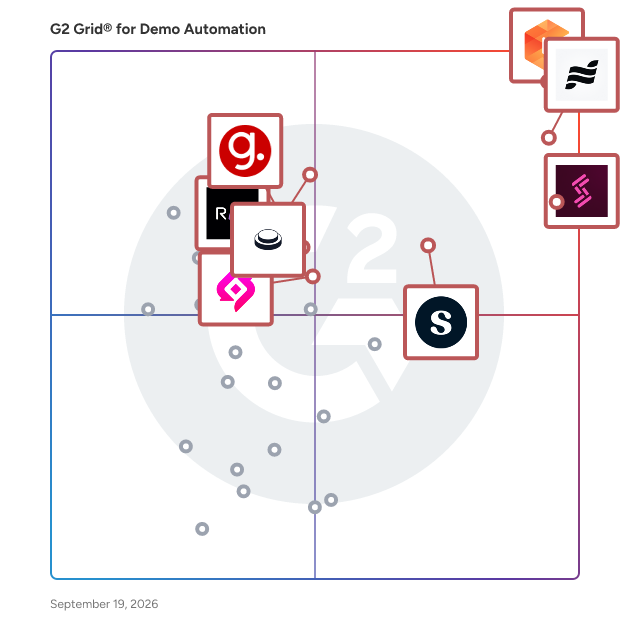
More than half of the world’s top 30 software companies leverage Consensus to close deals 30% faster, double their win rates, and increase deal sizes by 1.5X. Consensus is the world's most trusted demo platform for B2B sales and marketing teams. It connects agent, buyer, and seller-led demos, from interactive product tours and AI demo agents to live demos with real-time data injection, into one continuous experience. This removes buyer friction and ensures context never resets between a buyer’s first visit and live technical proof. Every interaction creates actionable Demo Intelligence, capturing buyer signals to reveal what they explored, cared about, and need next. Revenue leaders gain the visibility to scale sales and presales capacity, increase conversion and win rates, shorten deal cycles, and forecast with confidence. Consensus is rated #1 for Demo Automation, is a top leader in Agentic GTM Platforms, and is a 2026 Top 5 Sales tool on G2.
Average Rating: 4.7/5.0
Total Reviews: 1,852
G2 Deal: 10% off (first year) on all Consensus packages
Claim a 10% discount on all Consensus packages and sell smarter with the top-rated demo automation platform. Discount applies to first year only. Max discount of $5k.
How Do G2 Users Rate Consensus?
- Ease of Use: 8.9/10 (Category avg: 9.2/10)
- Multiple Personas: 8.9/10 (Category avg: 8.9/10)
- Demo Creation: 8.8/10 (Category avg: 9.0/10)
- Integrations: 8.2/10 (Category avg: 8.7/10)
Who Is the Company Behind Consensus?
- Seller: Consensus
- Company Website:
- Year Founded: 2013
- HQ Location: Orem, UT
-
Twitter: @goconsensus
2,990 Twitter followers -
LinkedIn® Page: www.linkedin.com
306 employees on LinkedIn®
Who Uses This Product?
- Who Uses This: Account Executive, Account Manager
- Top Industries: Computer Software, Information Technology and Services
- Company Size: 48% Large, 34% Medium
What Do G2 Reviewers Say About Consensus?
AI-generated summary from verified user reviews
Pros
- Users love the ease of use of Consensus, making demo creation and client engagement effortless and efficient.
- Users love the seamless integration with browsers and Outlook, streamlining the demo sending process efficiently.
- Users value the time-saving efficiency of Consensus, enhancing customer interactions and streamlining the sales process.
- Users love the easy sharing capabilities of Consensus, enhancing connectivity with customers and boosting overall efficiency.
- Users value Consensus for its sales efficiency, enabling quick access to demos and tracking client engagement effortlessly.
Cons
- Users report that creating demos involves too many clicks, making the process time-consuming and less efficient.
- Users find demo organization and management issues challenging, complicating their experience and efficiency in using Consensus.
- Users report usability issues with Consensus, citing inefficiencies and inadequate search functionality hindering their experience.
- Users find the demo management process cumbersome, citing excessive clicks and inefficiencies that hinder their experience.
- Users find that time-consuming processes hinder their experience with Consensus, especially in creating simulations and demos.
What Are Recent G2 Reviews of Consensus?
"Effortless Client Engagement and Follow-Up"
Rating: 5.0/5.0 stars
— Kesha B.
"A powerful tool to showcase evidence-based insights in product demos"
Rating: 5.0/5.0 stars
— Alexandre T.
What Are G2 Users Discussing About Consensus?
- What is Consensus used for? - 1 comment