SD-WAN Solutions Resources
Articles, Glossary Terms, Discussions, and Reports to expand your knowledge on SD-WAN Solutions
Resource pages are designed to give you a cross-section of information we have on specific categories. You'll find articles from our experts, feature definitions, discussions from users like you, and reports from industry data.
SD-WAN Solutions Articles

What Is Multiprotocol Label Switching? Explore Fundamentals

What Is Backhaul? How to Develop a Robust Network Backbone
How WAN Connects Your Business to Success
WAN vs. LAN
Master the Future of Network Security With SASE
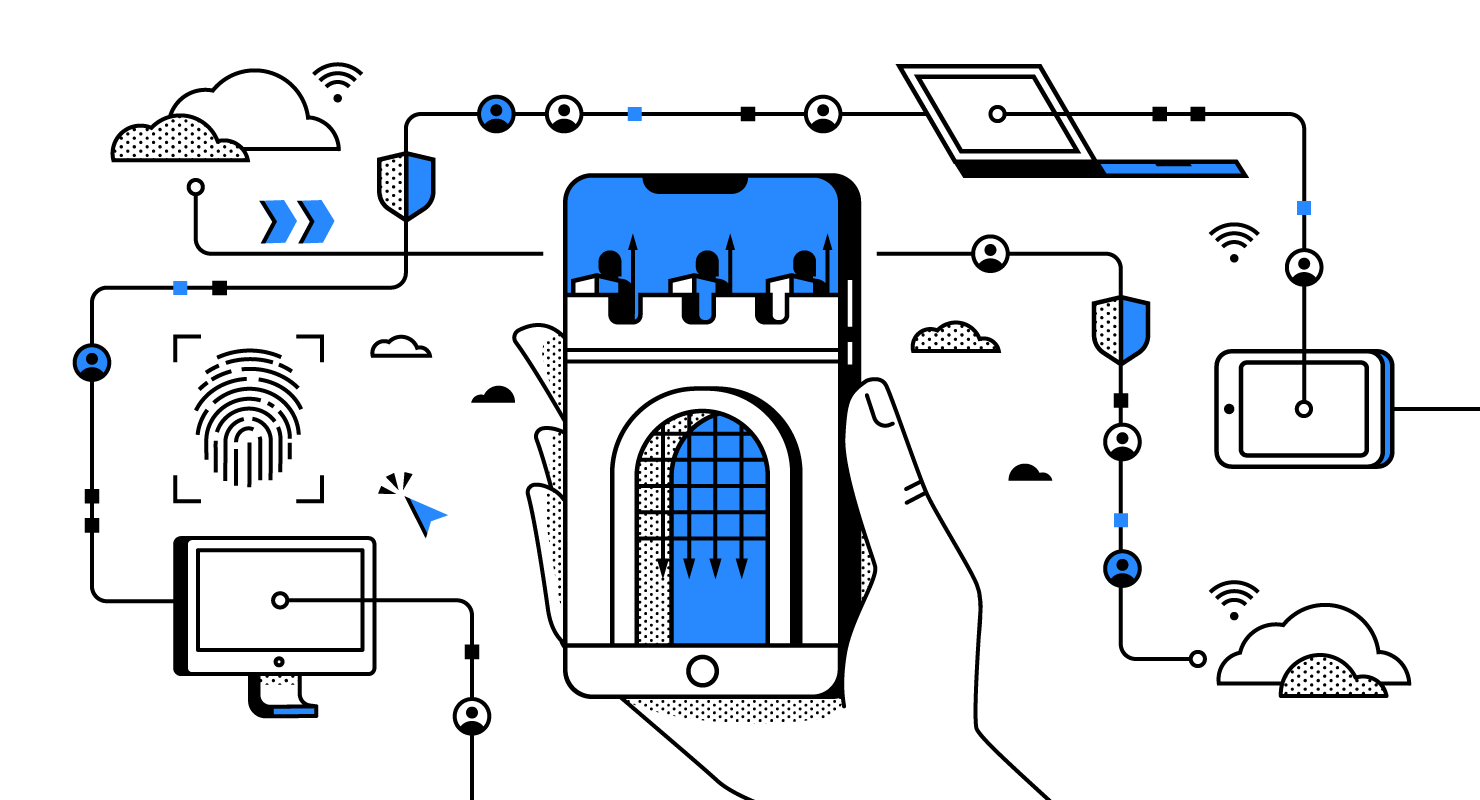
2023 Trends in the Secure Access Service Edge (SASE) Market

Remote Support in the Hybrid Workplace Trends in 2022
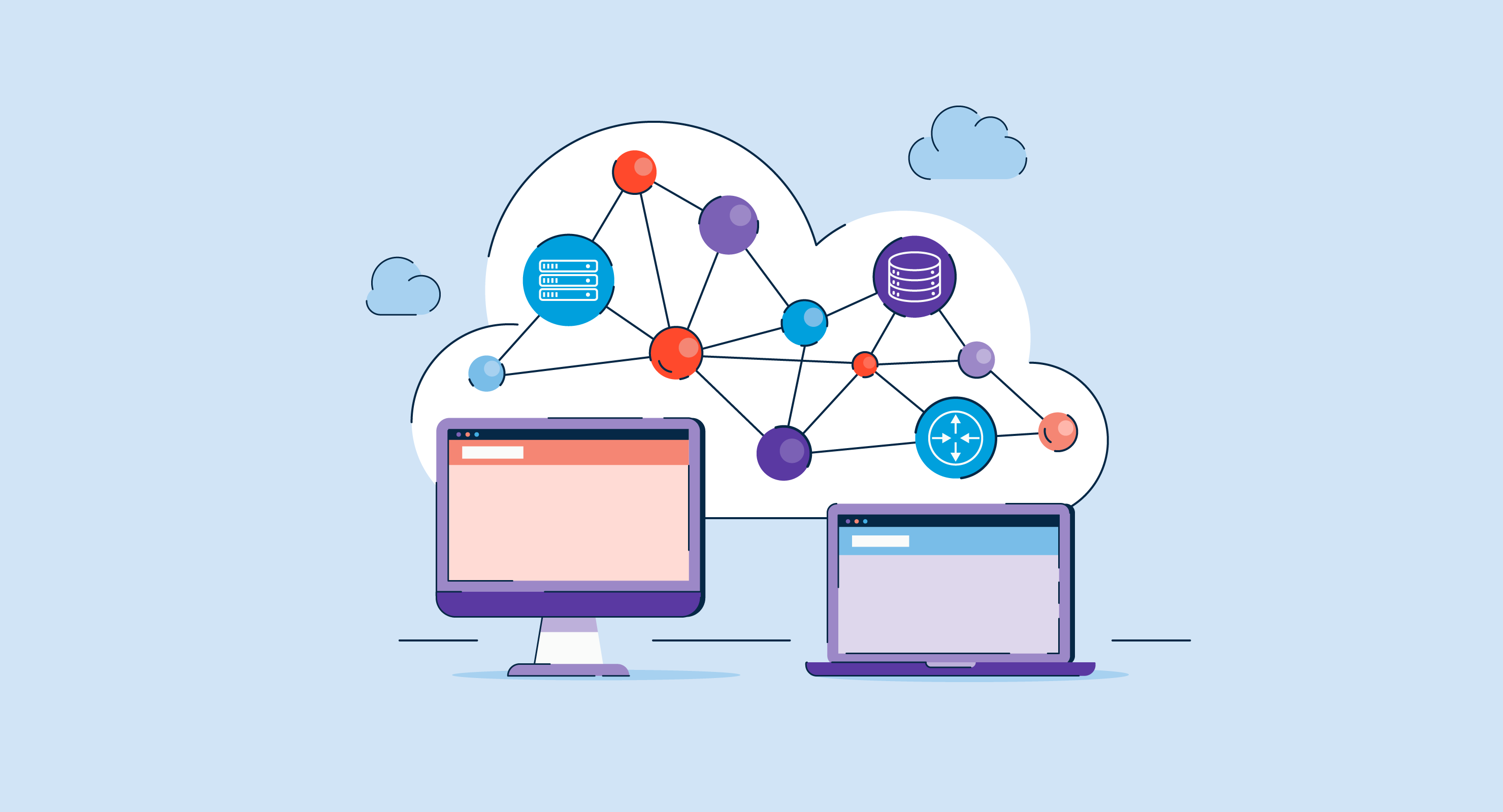
What Is NFV? How It Accelerates Network Performance
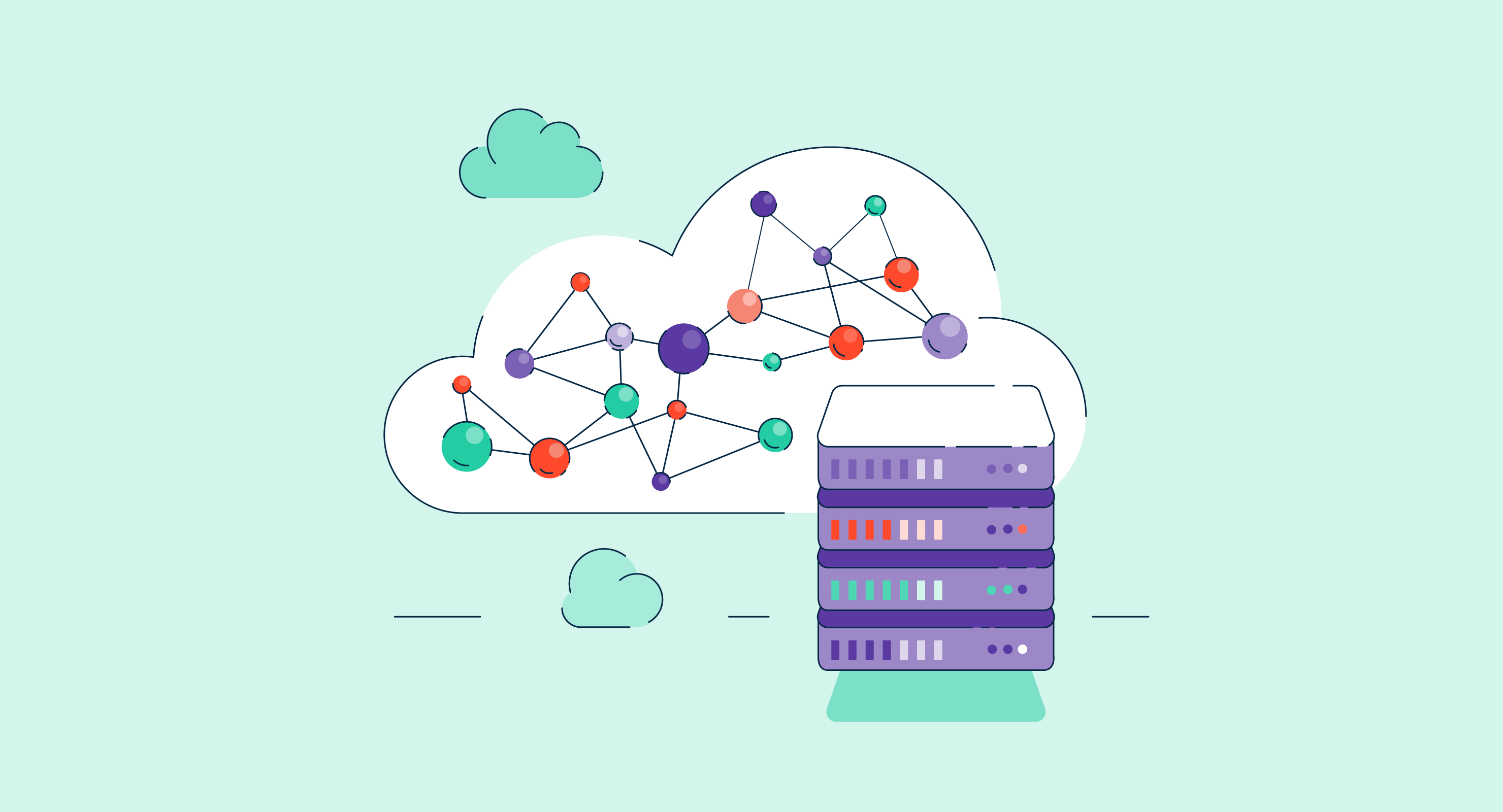
How Virtual Network Functions Improve Network Performance

How Network Virtualization Can Strengthen Business Networks
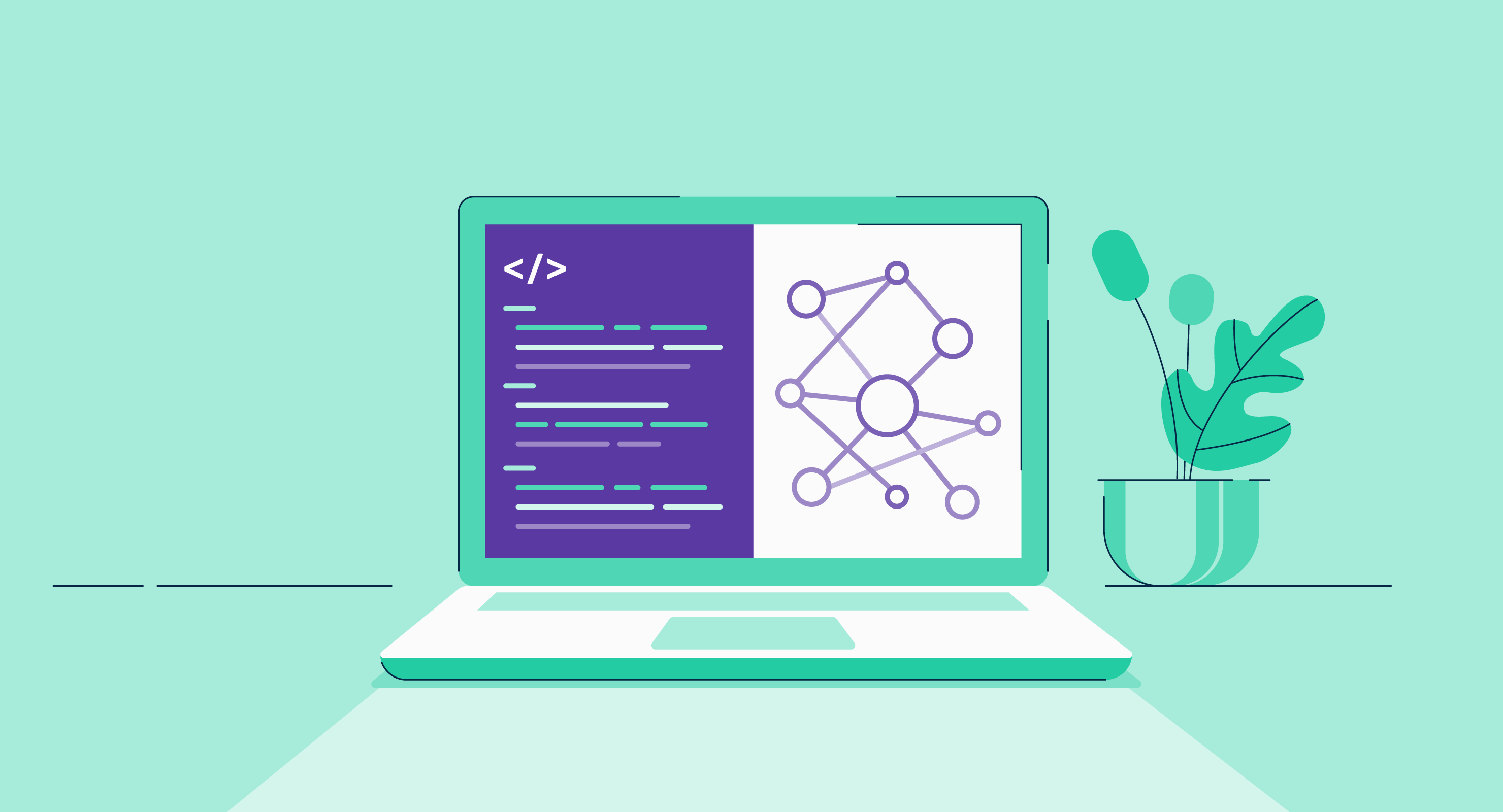
A Complete Guide to Software-Defined Networking

What Is SD-WAN? Why It's the Future of Enterprise WAN
SD-WAN Solutions Glossary Terms

Zero touch provisioning (ZTP) is a way to automatically connect devices on a network using remote server connections. Learn more about ZTP in business.
SD-WAN allows businesses to have a single control point for all their WAN traffic. Learn more about its features, components, and uses.
SD-WAN Solutions Discussions
Add More Usecase and Customer Case History
I keep hearing this term "same-IP failover" from a couple of SD-WAN vendors during demos, and I want to make sure I understand it before it becomes a checkbox item in my RFP. From what I gather, it means your public IP doesn't change when your internet circuit fails over to a backup connection — so VoIP calls, VPN sessions, etc. don't drop. Is that actually how it works in practice, or is this more of a marketing term that requires a bunch of BGP setup behind the scenes to pull off? Would love to hear from anyone who's actually tested this in a real failover event, not just a sales demo.
I keep hearing this term "same-IP failover" from a couple of SD-WAN vendors during demos, and I want to make sure I understand it before it becomes a checkbox item in my RFP. From what I gather, it means your public IP doesn't change when your internet circuit fails over to a backup connection — so VoIP calls, VPN sessions, etc. don't drop. Is that actually how it works in practice, or is this more of a marketing term that requires a bunch of BGP setup behind the scenes to pull off? Would love to hear from anyone who's actually tested this in a real failover event, not just a sales demo.